





Poplar Leaf Beetle
Chrysomela populi
The Poplar Leaf Beetle is a shiny green bug that loves to munch on poplar leaves. They are small and can be found in gardens and forests, making them fun to spot!
Habitat: Forests
The Poplar Leaf Beetle has a striking appearance with a shiny, rounded body. Its head and thorax are a metallic blue-black, contrasting sharply with its vibrant orange-red wing covers. This beetle has a robust, oval shape that makes it easily recognizable.
Category
InsectsRarity
Common
Danger
1/5 · Very low
Snaps
Be the first to snap!
Female beetles can lay hundreds of tiny yellow eggs on the undersides of leaves!
Its larvae, looking like tiny grubs, are sometimes called "slug worms" because of their shape!
The adult Poplar Leaf Beetle hibernates through winter under bark or in the soil!
When disturbed, adults sometimes drop from leaves and play dead to avoid predators!
Poplar Leaf Beetle can spray a defensive chemical because it helps them deter predators when feeling threatened.
Poplar Leaf Beetle has tiny claws and pads on its feet that help them cling tightly to smooth leaf surfaces.
Poplar Leaf Beetle has bright orange-red wing covers that warn predators it might taste bad or be toxic.
Poplar Leaf Beetle can chew through tough leaves with strong mandibles because it helps them access nutrients from plants.
These beetles munch on leaves, mostly from poplar and willow trees, to grow big and strong!
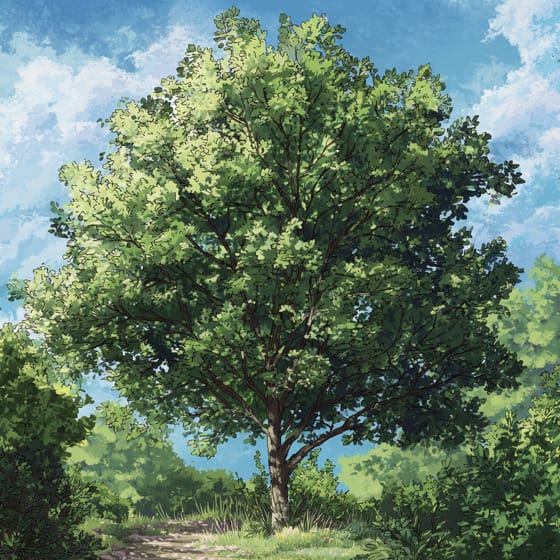
Populus nigra
Larvae and adults feed on its leaves.
Salix alba
It is a primary food source for this beetle.
%2C_Parc_de_Woluw%C3%A9%2C_Brussels_(13042792905).jpg&width=800)
Parus major
Birds often prey on these beetles and their larvae.
Solitary animals live alone for most of their lives, only interacting with others for mating or parental care.
Camouflaged describes organisms that possess coloring or patterns that allow them to blend into their environment.
Colorful describes organisms or objects displaying a wide range of bright and distinct colors.
This trait characterizes organisms whose diet consists entirely or primarily of plant material.

Forest habitats are terrestrial environments dominated by dense tree cover, supporting a high diversity of plant and animal life.

Diurnal animals are primarily active during daylight hours, typically resting or sleeping at night.

Describes organisms that transfer pollen, enabling the fertilization and reproduction of plants.
No aliases listed yet.
Danger
1/5 · Very low
It's best to look at beetles from a distance and not touch them.
The easiest way to identify Poplar Leaf Beetle is to use the Snappit nature identifier app.
20-30 mm
10-12 mm
30-60 days
These beetles munch on leaves, mostly from poplar and willow trees, to grow big and strong!
Forests
Grazing
6
Zoom in to split clusters and explore where this object has been snapped.
Recent snaps will appear here as new observations are added.
Take the discovery with you
Snap it with Snappit to identify it, learn what makes it special, and add the discovery to your collection.







.jpg&width=800)


