





Long-billed Curlew
Numenius americanus
The Long-billed Curlew is a tall bird with a very long, curved bill. It loves to roam the wetlands and grasslands, searching for tasty insects and crustaceans to eat.
Habitat: Wetlands
The Long-billed Curlew is a large shorebird with warm cinnamon-brown plumage and distinct streaks on its head and neck. Its most striking feature is an incredibly long, slender, and distinctly downcurved bill. Pale blue-grey legs contrast with its earthy tones.
Category
BirdsRarity
Common
Danger
1/5 · Very low
Snaps
9
Curlews can poke their bill into mud up to its full length.
Their extra-long bill can be up to eight inches!
These birds migrate in large flocks across continents.
They lay their eggs right on the ground in a simple scrape.
Long-billed Curlews can reach deep into the mud because of their extra-long, curved bill that helps them find hidden prey.
Long-billed Curlews have streaky brown feathers that help them blend perfectly into tall prairie grasses to hide from predators.
Long-billed Curlews can perform impressive flight displays and dives that help them defend their nesting territory.
These birds use their super long, curved bill to dig for tasty insects and small critters!
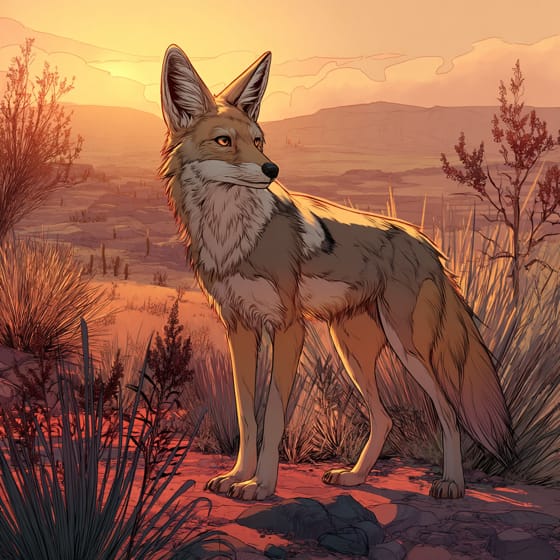
Canis latrans
preys on eggs and young curlews
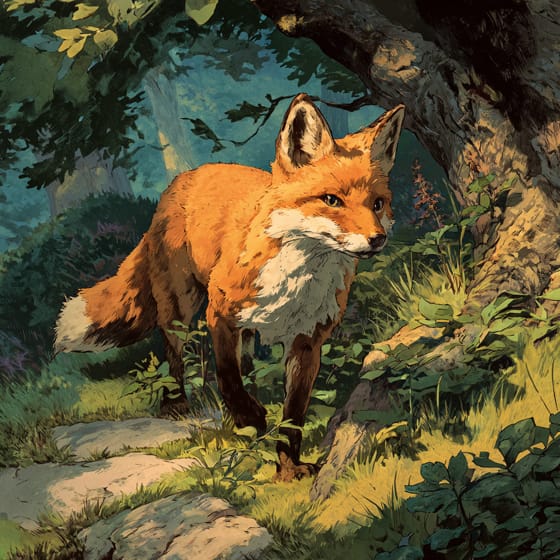
Vulpes vulpes
hunts chicks and adult birds
Schistocerca americana
eats many insects from grasslands

Callinectes sapidus
probes muddy areas for small crabs
Feathered describes animals, primarily birds, possessing a covering of feathers.
Social animals live in organized groups, cooperating for survival benefits such as foraging, defense, and raising offspring.
Grassland habitats are terrestrial biomes dominated by grasses and herbaceous plants, supporting a variety of grazing animals.
This trait identifies organisms whose diet primarily consists of insects and other small invertebrates.

This habitat trait identifies species found in wetlands, which are areas of land saturated with water, either permanently or seasonally, including marshes, swamps, and bogs.

Diurnal animals are primarily active during daylight hours, typically resting or sleeping at night.

This trait identifies organisms that exhibit exceptional swiftness in movement for hunting, escape, or travel.

Migratory animals undertake seasonal movements from one region to another, typically in response to changes in climate or food availability.

Endangered status indicates a species is at a very high risk of extinction in the wild in the near future.
No aliases listed yet.
Danger
1/5 · Very low
Always watch birds from a distance so they feel safe and happy.
The easiest way to identify Long-billed Curlew is to use the Snappit nature identifier app.
50-65 cm
80-90 cm
0.6-1 kg
8-12 years
70 km/h
These birds use their super long, curved bill to dig for tasty insects and small critters!
Wetlands
Zoom in to split clusters and explore where this object has been snapped.

California, US
You might spot Snowy Egret, Great Blue Heron, and Willet.
View guide →

California, US
You might spot American Avocet, Great Egret, and Snowy Egret.
View guide →

California, US
You might spot Snowy Egret, Great Blue Heron, and Western Gull.
View guide →

Wyoming, US
You might spot Long-Billed Curlew, Lesser Scaup, and Red-Winged Blackbird.
View guide →

California, US
You might spot Great Egret, Acorn Woodpecker, and Great Blue Heron.
View guide →

California, US
You might spot Brown Pelican, Snowy Plover, and Sanderling.
View guide →
Take the discovery with you
Snap it with Snappit to identify it, learn what makes it special, and add the discovery to your collection.




.jpg&width=800)








