Song Sparrow

Eden Landing Ecological Reserve is a vital haven for Bay Area wildlife and a testament to wetland restoration.
Eden Landing Ecological Reserve is a vital haven for Bay Area wildlife and a testament to wetland restoration. Spanning approximately 6,400 acres along the eastern shore of San Francisco Bay, this expansive reserve is a critical component of the South Bay Salt Pond Restoration Project, the largest wetlands restoration effort on the West Coast. Managed by the California Department of Fish and Wildlife, it transforms former industrial salt production facilities into thriving tidal marshes and managed ponds, providing essential habitat for a myriad of resident and migratory species.
Visitors can explore diverse habitats through an extensive network of trails, offering exceptional opportunities for birdwatching and nature photography. The reserve is a sanctuary for numerous bird species, including elegant American Avocets and Black-necked Stilts wading in shallow waters, various ducks like Northern Shovelers and Mallards, and larger waterfowl such as Canada Geese. Keep an eye out for endangered species like the California Ridgway's Rail and the threatened Western Snowy Plover, as well as the elusive Salt Marsh Harvest Mouse, highlighting the success of ongoing restoration efforts. The landscape also features historic saltworks remnants, including the Oliver Salt Works and Archimedes screws, providing a glimpse into the area's past.
A visit to Eden Landing Ecological Reserve offers a profound connection to nature and a chance to witness large-scale ecological recovery firsthand. Whether you're a seasoned birder, an avid hiker, or simply seeking a tranquil escape with stunning bay views, the reserve provides a unique and memorable experience. Its blend of historical significance, ongoing conservation, and rich biodiversity makes it an indispensable natural gem in the San Francisco Bay Area. Don't forget to bring the Snappit nature identification app along to scan local species.
The area now known as Eden Landing Ecological Reserve has a rich history, primarily shaped by its role in salt production. Originally part of a vast system of tidal salt marshes, the land was acquired and managed by Cargill Salt Co. as solar salt production facilities. In the late 1800s, the Baumberg Tract, a significant portion of the reserve, was converted into salt harvesting ponds. The shift from industrial use to ecological preservation began in 1996 with the acquisition of 835 acres from Cargill. In 1998, the area was officially designated an ecological reserve by the Fish and Game Commission. A major expansion occurred in 2003 when the California Department of Fish and Wildlife (CDFW), along with the U.S. Fish and Wildlife Service, purchased an additional 15,100 acres of South Bay salt ponds from Cargill, with approximately 5,500 of these acres expanding Eden Landing. This acquisition became part of the ambitious South Bay Salt Pond Restoration Project, the largest tidal wetland restoration project on the West Coast. Notably, in 2022, the reserve was renamed the "Congressman Pete Stark Ecological Reserve at Eden Landing." The restoration process has transformed hundreds of acres, enhancing existing ponds and restoring tidal action to former salt marshes, benefiting numerous wildlife species and providing public access.
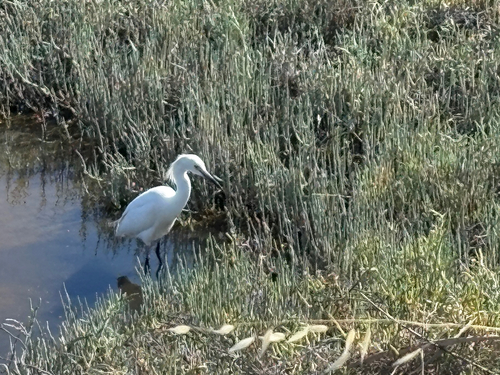
Engage in birdwatching, nature photography, hiking, and kayaking. Look for various ducks, egrets, herons, avocets, stilts, and sandpipers.
Spring/Fall: Peak migration periods bring thousands of shorebirds through the reserve.
Summer: The seasonal loop trail is closed. Temperatures can be high with little shade; visit early or late in the day.
Winter: Ideal for viewing overwintering waterfowl and shorebirds. Note that the reserve has specific days in November, December, and January when it's closed for hunting.
The Bay Trail is generally flat and accessible, suitable for walking. A new accessible kayak launch with a drop-off loop is available. The nearby Hayward Shoreline Interpretive Center (accessible from Breakwater Avenue) offers restrooms, water, and an elevated viewing platform.
A multi-mile, year-round trail along the perimeter of restored wetlands.
A 3-mile loop (open October-February) around shorebird ponds and historic salt-making sites.
Managed ponds and mudflats attract a diverse array of waterfowl and shorebirds.
Located at Mount Eden Creek, offering water-based exploration opportunities.
Each card links to a full Explore page with photos, traits, and fun facts.
Start with the big picture, then zoom in to explore individual wildlife observations around this place.
Bring Binoculars and a Camera
The reserve is a prime spot for birdwatching and photography, and many birds can be quite distant. Long lenses are recommended for capturing detailed shots.
Hydrate and Protect from Sun
There is very little natural shade on the levee trails, so bring plenty of water, wear a hat, and apply sunscreen, especially during warmer months.
Check for Closures
Before visiting, consult the California Department of Fish and Wildlife website for information on seasonal trail closures (particularly the loop trail, March-September) and specific hunting dates in winter.
Dress in Layers
Bay Area weather can change rapidly; dressing in layers will help you adapt to fluctuating temperatures and winds.
Visit During Off-Peak Hours
Early mornings or late afternoons are often best for viewing active wildlife and avoiding potential crowds.
Stay on Designated Trails
To protect fragile habitats and nesting birds, always remain on marked trails and keep a respectful distance from wildlife.
May 31, 2026
Photo attribution
(c) Annette Herz, some rights reserved (CC BY)
License: CC BY 4.0 ↗
Image may be shown cropped inside the card frame.
Feb 22, 2026
Photo attribution
(c) Nina S. Zhao, some rights reserved (CC BY)
License: CC BY 4.0 ↗
Image may be shown cropped inside the card frame.
Jun 2, 2026
Jun 1, 2026
May 9, 2026

Maryland, US
You might spot White-Tailed Deer and Eastern Gray Squirrel.
View guide →
.jpg)
District of Columbia, US
You might spot Eastern Gray Squirrel, Duck, and House Sparrow.
View guide →

Illinois, US
You might spot American Robin, Canada Goose, and House Sparrow.
View guide →

Virginia, US
You might spot Spotted Lanternfly and Northern Cardinal.
View guide →
Take the discovery with you
Identify the wildlife you spot, learn as you go, and keep a collection of the adventure.