Great Blue Heron

Bolsa Chica Ecological Reserve is a premier birdwatching destination in Southern California.
Bolsa Chica Ecological Reserve is a premier birdwatching destination in Southern California. This stunning coastal wetland, spanning over 1,400 acres in Huntington Beach, represents one of the largest remaining saltwater marshes along the California coast. It's a critical habitat, serving as both a nursery and year-round home for diverse aquatic creatures and fish, and a vital stopover for thousands of migratory birds along the Pacific Flyway. Visitors can explore its rich ecosystems, from open water and mudflats to salt marshes and coastal dunes, discovering a vibrant natural world just moments from urban life.
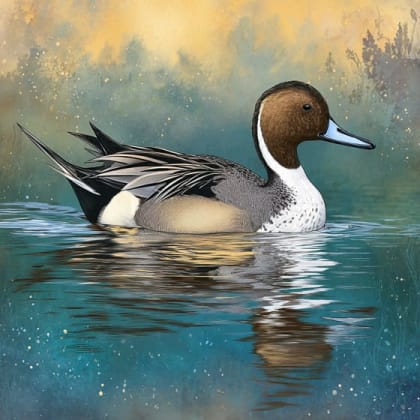
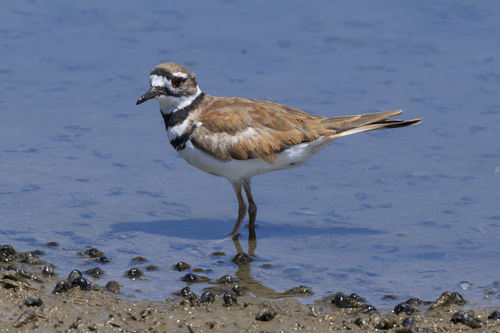
The reserve boasts an incredible diversity of wildlife, particularly birds, with over 200 species identified annually, including many rare and endangered ones. Birdwatchers can delight in sightings of majestic Great Blue Herons and elegant Snowy Egrets stalking the shallow waters, various ducks, raptors like Ospreys and Red-tailed Hawks, and American White and Brown Pelicans. Critically endangered species such as the California Least Tern nest here, especially visible during breeding season, and the elusive Ridgway's Rail can be spotted foraging. Beyond birds, the wetlands are home to marine life like stingrays, crabs, and sea slugs, and the reserve's unique plant communities feature resilient species like Pickleweed and Southern Tar Plant.
A visit to Bolsa Chica offers a peaceful retreat and an unparalleled opportunity to connect with nature. The network of hiking trails and boardwalks provides intimate views of the wetlands, tidal basins, and the distant Pacific Ocean, making it an ideal spot for photography, education, and quiet contemplation. The efforts to preserve and restore this ecological gem make it a testament to successful conservation, offering a memorable experience for all who appreciate the beauty and importance of coastal wetlands. Enhance your adventure: download the Snappit app to identify the local species you encounter.
The area now known as Bolsa Chica Ecological Reserve has a rich history dating back 9,500 years, with evidence of habitation by Native American tribes such as the Acjachemen and Tongva, who thrived on the plentiful resources of the wetlands. Over time, the name "Bolsa Chica," meaning "little pocket," was given to the land, referring to its isolated nature amidst marshlands. In the late 19th century, a portion became a duck hunting preserve, and in 1899, the Bolsa Chica Gun Club significantly altered the ecosystem by damming the Freeman Creek channel, blocking direct tidal flow and transforming the saltwater marsh into freshwater ponds. In the 1960s, plans for extensive housing development spurred strong objections from state officials and the community. This led to the establishment of the Bolsa Chica Ecological Reserve in 1973 with an initial 300 acres set aside. Local groups like Amigos de Bolsa Chica, formed in 1976, and the Bolsa Chica Conservancy, established in 1990, tirelessly advocated for further preservation and restoration. A major milestone was achieved in 2006 when a $147 million restoration project reconnected the wetlands to the Pacific Ocean, reintroducing full tidal influence for the first time in over a century and revitalizing the ecosystem.
Each card links to a full Explore page with photos, traits, and fun facts.
Start with the big picture, then zoom in to explore individual wildlife observations around this place.
Arrive Early
Parking can be limited, especially on weekends, so arrive early to secure a spot and enjoy the tranquility before crowds gather.
Bring Binoculars and Camera
With over 200 bird species and other wildlife, binoculars are essential for optimal viewing, and a camera with a telephoto lens will capture incredible shots.
Wear Sun Protection
There is very limited shade on the trails, so bring a hat, sunscreen, and wear comfortable clothing.
Carry Water and Snacks
Facilities are minimal, with restrooms primarily at the parking lots, so come prepared with your own water and any necessary snacks.
Stay on Designated Trails
This is crucial for protecting the sensitive habitats and preventing disturbance to wildlife, particularly nesting birds.
Do Not Feed Wildlife
Feeding wild animals can be detrimental to their health and natural behaviors.
May 25, 2026
Photo attribution
(c) William Walker, some rights reserved (CC BY)
License: CC BY 4.0 ↗
Image may be shown cropped inside the card frame.
May 25, 2026
Photo attribution
(c) William Walker, some rights reserved (CC BY)
License: CC BY 4.0 ↗
Image may be shown cropped inside the card frame.
May 25, 2026
Photo attribution
(c) William Walker, some rights reserved (CC BY)
License: CC BY 4.0 ↗
Image may be shown cropped inside the card frame.
May 25, 2026
Photo attribution
(c) William Walker, some rights reserved (CC BY)
License: CC BY 4.0 ↗
Image may be shown cropped inside the card frame.
May 25, 2026
Photo attribution
(c) William Walker, some rights reserved (CC BY)
License: CC BY 4.0 ↗
Image may be shown cropped inside the card frame.

Maryland, US
You might spot White-Tailed Deer and Eastern Gray Squirrel.
View guide →
.jpg)
District of Columbia, US
You might spot Eastern Gray Squirrel, Duck, and House Sparrow.
View guide →

Illinois, US
You might spot American Robin, Canada Goose, and House Sparrow.
View guide →

Virginia, US
You might spot Spotted Lanternfly and Northern Cardinal.
View guide →
Take the discovery with you
Identify the wildlife you spot, learn as you go, and keep a collection of the adventure.