





Long-billed Thrasher
Toxostoma longirostre
The Long-billed Thrasher is a clever bird known for its long, curved bill. It loves to dig in the ground for tasty insects and fruits. You can often hear its beautiful songs in the bushes!
Habitat: Desert and scrub areas
The Long-billed Thrasher has warm rusty-brown upperparts, a pale chest with dark streaks, and a very long, slender, downward-curving bill. Its distinctive pale yellow eyes stand out against its head, making it visually different from many other thrashers.
Category
BirdsRarity
Common
Danger
1/5 · Very low
Snaps
Be the first to snap!
Each Thrasher can sing thousands of unique song phrases in a single performance!
Its pale yellow eyes help it see small prey in dimly lit undergrowth!
Long-billed Thrashers mostly run and hop on the ground instead of flying far!
They are related to famous singers like mockingbirds and catbirds!
Long-billed Thrashers can probe deep into soil and leaf litter with their extra-long, curved bill that helps them dig up hidden insects.
Long-billed Thrashers have amazing vocal chords that help them mimic other bird calls and sounds in their environment.
Long-billed Thrashers often build their nests deep within thorny bushes, which helps protect their eggs and young from predators.
Eats bugs, spiders, small lizards, and berries found by digging with its special bill.
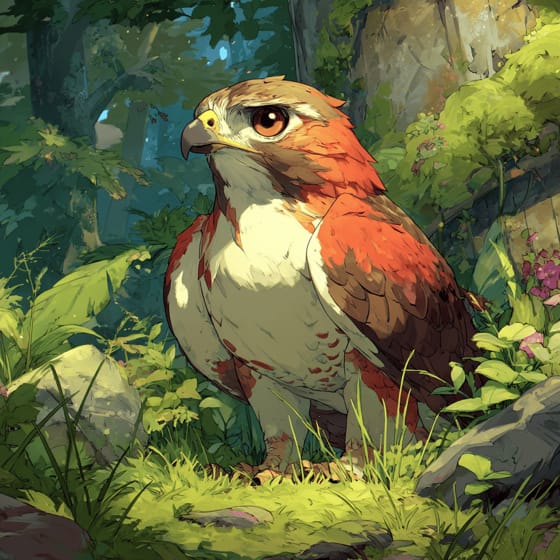
Buteo jamaicensis
Adults can be prey for large birds of prey.
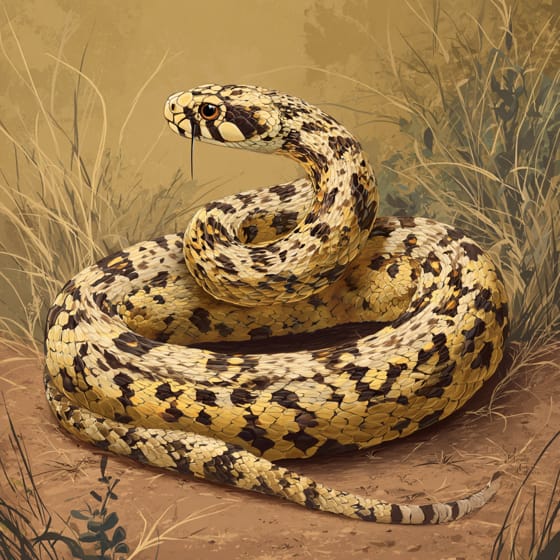
Pituophis catenifer
Snakes often raid nests for eggs and chicks.

Prosopis glandulosa
Provides thorny branches for nesting and cover.

Juniperus ashei
Thrasher consumes berries from this plant.
Feathered describes animals, primarily birds, possessing a covering of feathers.
Social animals live in organized groups, cooperating for survival benefits such as foraging, defense, and raising offspring.
This trait identifies organisms whose diet includes both plant and animal matter.
Singing animals produce complex vocalizations, often for purposes of attracting mates, defending territory, or communicating within their species.

This trait identifies organisms whose diet primarily consists of insects and other small invertebrates.

Desert habitats are arid regions characterized by extremely low precipitation and often extreme temperatures, supporting specialized flora and fauna.

Diurnal animals are primarily active during daylight hours, typically resting or sleeping at night.
No aliases listed yet.
Danger
1/5 · Very low
Enjoy watching birds from a distance and don't disturb their nests.
The easiest way to identify Long-billed Thrasher is to use the Snappit nature identifier app.
28-32 cm
30-34 cm
0.07-0.09 kg
5-10 years
35 km/h
Eats bugs, spiders, small lizards, and berries found by digging with its special bill.
Desert and scrub areas
Zoom in to split clusters and explore where this object has been snapped.
Recent snaps will appear here as new observations are added.
Take the discovery with you
Snap it with Snappit to identify it, learn what makes it special, and add the discovery to your collection.




.jpg&width=800)









