_-_Guelph%2C_Ontario.jpg&width=800)





swamp milkweed
Asclepias incarnata
Swamp milkweed is a pretty flower that grows in wet areas. Its pink blooms attract butterflies and bees, making it a favorite in gardens and nature spots.
Habitat: Wetlands
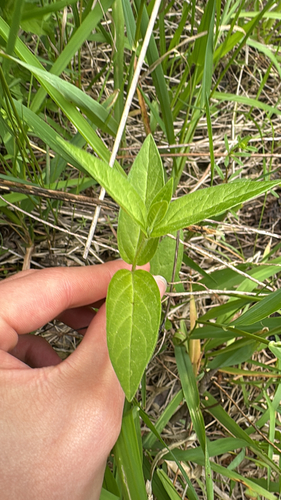
The swamp milkweed has sturdy, upright stems topped with dense clusters of small, star-shaped flowers. Its blooms range from vibrant pink to rose-purple, contrasting with bright green lance-shaped leaves. It visually stands out with its striking color in wet environments.
Category
PlantsRarity
Common
Danger
1/5 · Very low
Snaps
17
Its scientific name, *incarnata*, means "flesh-colored," describing its lovely pink blooms.
Monarch butterflies *only* lay their eggs on milkweed plants, making them super important!
Native Americans once used milkweed fibers for strong ropes and nets, and its roots for medicine.
Some clever insects eat its toxic sap and then use the poisons to defend themselves!
Swamp milkweed has a milky, toxic sap that oozes out when damaged, protecting it from most hungry animals.
Swamp milkweed can thrive with its roots in very wet, soggy soil where most other plants would struggle to survive.
Its seeds grow fluffy, silky parachutes that catch the wind, allowing them to travel far and wide.
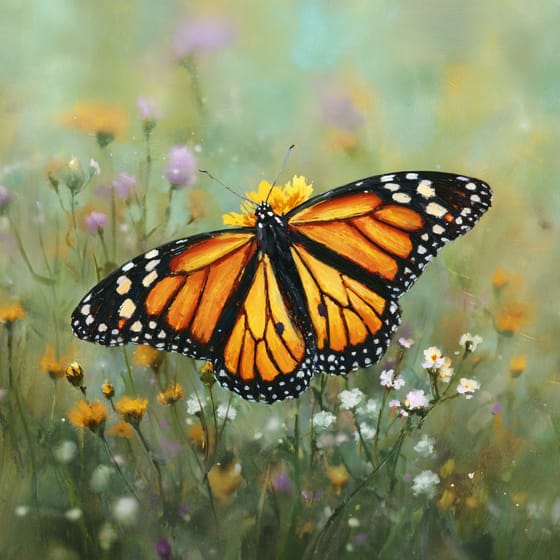
Danaus plexippus
Its caterpillars exclusively feed on swamp milkweed leaves.
Bombus impatiens
Bumblebees visit the nectar-rich flowers for a sugary snack.
Apis mellifera
Honey bees gather both nectar and pollen from its many blooms.
.jpg&width=800)
Oncopeltus fasciatus
This bug feeds on the sap and developing seeds of the plant.
Flowering plants are any plants that produce flowers as part of their reproductive cycle.
Summer blooming plants produce their flowers during the summer season, often providing vibrant color when many other plants have finished.
Fragrant flowers emit a pleasant aroma, often to attract pollinators or for defense.
Medicinal plants possess chemical compounds that can be used for therapeutic purposes to treat illnesses or maintain health.

Colorful describes organisms or objects displaying a wide range of bright and distinct colors.

Describes plants that are particularly attractive and beneficial to a wide range of pollinating organisms.

This habitat trait identifies species found in wetlands, which are areas of land saturated with water, either permanently or seasonally, including marshes, swamps, and bogs.

Describes a species whose presence and role have a disproportionately large effect on its environment.
Danger
1/5 · Very low
While swamp milkweed is beautiful, it's best to enjoy it from a distance and not touch it too much.
The easiest way to identify swamp milkweed is to use the Snappit nature identifier app.
60-150 cm
30-60 cm
0.5-1 cm
Summer
No
Moderate
Perennial
Zoom in to split clusters and explore where this object has been snapped.
May 30, 2026
Long Island Game FarmPhoto attribution
(c) Frog The Kermit, some rights reserved (CC BY)
License: CC BY 4.0 ↗
Image may be shown cropped inside the card frame.

Illinois, US
You might spot Common Eastern Bumble Bee and Brown-Belted Bumble Bee.
View guide →

Pennsylvania, US
You might spot Pinesap, Great Rhododendron, and Mountain Laurel.
View guide →

Pennsylvania, US
You might spot Canada Goose, American Robin, and Red-Winged Blackbird.
View guide →

Connecticut, US
You might spot Osprey, Diamondback Terrapin, and Monarch.
View guide →

Massachusetts, US
You might spot Autumn Olive and Eastern Skunk Cabbage.
View guide →

Ohio, US
You might spot Wild Bergamot, Rattlesnake Master, and Eastern Pondhawk.
View guide →
Take the discovery with you
Snap it with Snappit to identify it, learn what makes it special, and add the discovery to your collection.








.jpg&width=800)


_001.jpg&width=800)




