





Long-Leaved Redtop-Panicgrass
coleataenia longifolia
The Long-Leaved Redtop-Panicgrass has tall, slender leaves that dance in the breeze. This grass is a favorite spot for butterflies and other tiny creatures to play and hide!
Habitat: It typically grows in grassy fields and along roadsides.
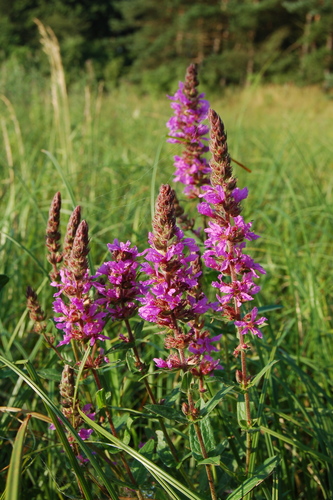
The Long-Leaved Redtop-Panicgrass has slender stems reaching up to three feet tall, adorned with long, flat, strap-like leaves that can display a reddish or purplish hue, especially in direct sunlight. Its airy flower clusters, known as panicles, emerge in late summer, giving it a soft, feathery appearance.
Category
PlantsRarity
Common
Danger
0/5 · No known danger
Snaps
Be the first to snap!
Even when dry, its reddish leaves provide beautiful color in winter landscapes!
Its scientific name, Coleataenia, means 'sheathed ribbon,' describing its leaves!
Many tiny insects use this grass as a safe hiding spot from predators.
This grass can help stop soil from washing away, protecting valuable land.
Long-Leaved Redtop-Panicgrass can develop reddish or purplish leaves, which may help it cope with stress or sun exposure.
Long-Leaved Redtop-Panicgrass has numerous tiny seeds that are easily dispersed by wind and consumed by birds, aiding its spread.
Long-Leaved Redtop-Panicgrass has a fibrous root system that helps it prevent soil erosion in open, disturbed areas.
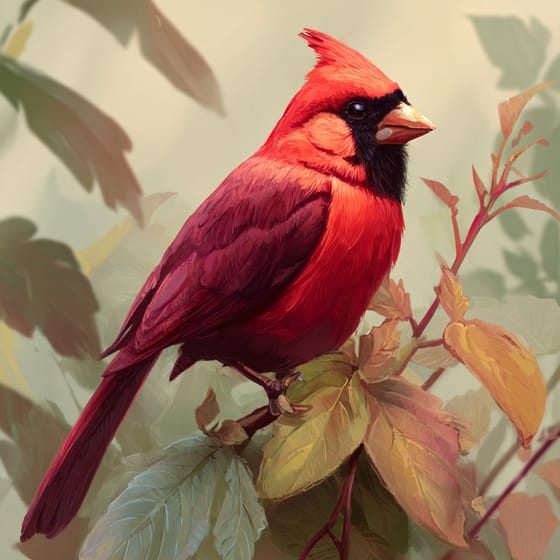
Cardinalis cardinalis
Eats its abundant seeds during fall and winter.
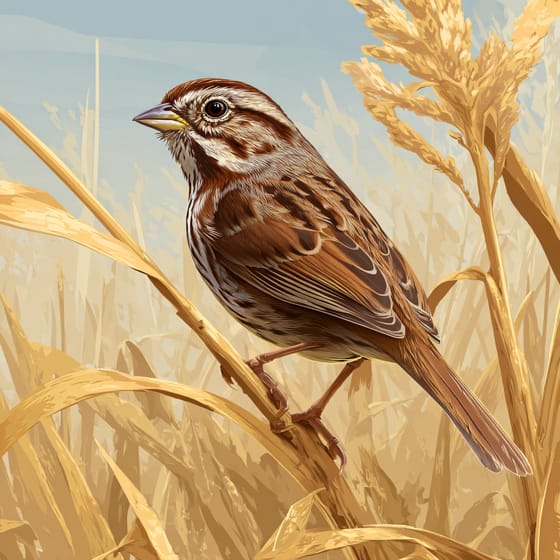
Melospiza melodia
Feeds on seeds, often scratching them from the ground.
Schistocerca americana
Larvae and adults graze on the leaves of various grasses.

Peromyscus leucopus
Uses dense grass clumps for cover and nesting material.
Solitary animals live alone for most of their lives, only interacting with others for mating or parental care.
Colorful describes organisms or objects displaying a wide range of bright and distinct colors.
Grassland habitats are terrestrial biomes dominated by grasses and herbaceous plants, supporting a variety of grazing animals.
This trait characterizes organisms whose diet consists entirely or primarily of plant material.

Diurnal animals are primarily active during daylight hours, typically resting or sleeping at night.
Danger
0/5 · No known danger
No special safety notes yet.
The easiest way to identify Long-Leaved Redtop-Panicgrass is to use the Snappit nature identifier app.
30-90 cm
Summer to fall
No
None
Perennial
Wind
It typically grows in grassy fields and along roadsides.
Zoom in to split clusters and explore where this object has been snapped.
Recent snaps will appear here as new observations are added.
Take the discovery with you
Snap it with Snappit to identify it, learn what makes it special, and add the discovery to your collection.









.jpg&width=800)



_001.jpg&width=800)




