





Lymantria
Lymantria
Lymantria, also known as the gypsy moth, is a colorful insect that loves to munch on leaves. They are known for their fuzzy caterpillars that turn into beautiful moths with large wings.
Habitat: Forests
The Lymantria is typically a medium-sized moth with a noticeably fuzzy body and feathery antennae, especially in males. Their wings are often a muted mix of white, brown, or gray, sometimes with subtle patterns. Some caterpillars are brightly colored or covered in dense, spiky hairs.
Category
InsectsRarity
Common
Danger
2/5 · Low
Snaps
Be the first to snap!
Female Lymantria moths often lay hundreds of eggs in a fluffy mass, sometimes covered in body hairs!
Male Lymantria moths have giant feathery antennae to sniff out female pheromones from miles away!
Many adult Lymantria moths cannot eat; they live off energy saved from their caterpillar stage!
Some Lymantria caterpillars are covered in hairs that can cause itchy rashes if touched!
Male Lymantria have large, feathery antennae that detect female pheromones from afar, helping them find mates.
Lymantria caterpillars have urticating hairs that cause irritation, helping them deter predators.
Some Lymantria moths and caterpillars have mottled patterns that help them blend seamlessly with tree bark, avoiding predators.
Lymantria caterpillars munch on tree leaves; adult moths usually don't eat at all.
Age differences: Caterpillars are voracious eaters of leaves, while adult moths typically do not feed.
Quercus robur
Caterpillars feed on its leaves.
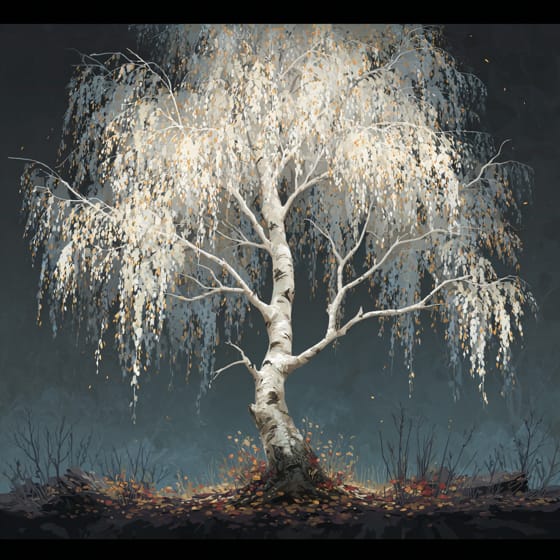
Betula pendula
A common food source for larvae.
%2C_Parc_de_Woluw%C3%A9%2C_Brussels_(13042792905).jpg&width=800)
Parus major
Feeds on caterpillars and moths.
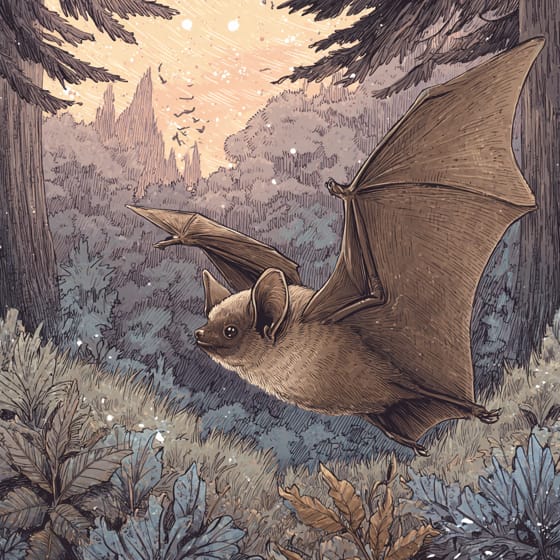
Myotis lucifugus
Preys on adult moths at night.
Compsilura concinnata
Larvae develop inside Lymantria caterpillars.
Furry describes animals possessing a dense covering of soft hair or fur.
Colorful describes organisms or objects displaying a wide range of bright and distinct colors.
This trait characterizes organisms whose diet consists entirely or primarily of plant material.
Forest habitats are terrestrial environments dominated by dense tree cover, supporting a high diversity of plant and animal life.

Migratory animals undertake seasonal movements from one region to another, typically in response to changes in climate or food availability.

Nocturnal animals are primarily active during the nighttime hours, typically resting or sleeping during the day.

Describes organisms that transfer pollen, enabling the fertilization and reproduction of plants.
Danger
2/5 · Low
Don't touch caterpillars or moths without asking an adult, as some can irritate your skin.
The easiest way to identify Lymantria is to use the Snappit nature identifier app.
20-80 mm
10-40 mm
7-14 days
15 km/h
Lymantria caterpillars munch on tree leaves; adult moths usually don't eat at all.
Forests
Foraging
Zoom in to split clusters and explore where this object has been snapped.
Recent snaps will appear here as new observations are added.
Take the discovery with you
Snap it with Snappit to identify it, learn what makes it special, and add the discovery to your collection.







.jpg&width=800)


