





lyre-leaf greeneyes
Berlandiera lyrata
The lyre-leaf greeneyes is a cheerful flower with bright yellow petals that look like little suns! It grows in fields and meadows, bringing joy to everyone who sees it.
Habitat: Grasslands
The lyre-leaf greeneyes has bright yellow, daisy-like flowers with distinctive prominent green centers, giving it its 'greeneyes' name. Its unique, deeply lobed leaves resemble a lyre instrument. It stands out with its cheerful colors and unusual foliage.
Category
PlantsRarity
Common
Danger
1/5 · Very low
Snaps
1
Ancient people may have used parts of this plant for traditional remedies!
Each seed has a tiny parachute, helping it float far away on the wind!
Its unique green eye in the center of the flower is actually many tiny disc florets!
This flower smells like chocolate or vanilla, especially in the morning!
Lyre-leaf greeneyes releases a sweet, vanilla-like scent that helps it attract pollinators, even from a distance, ensuring its reproduction.
Its flowers can track the sun's movement across the sky (heliotropism), helping them warm up and become more appealing to pollinators.
This plant has deep roots that help it find water in dry soil, allowing it to survive in harsh, arid environments.
Apis mellifera
Main pollinator for nectar
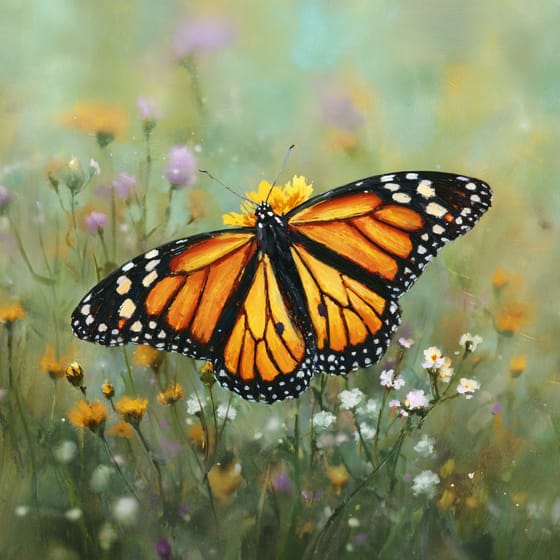
Danaus plexippus
Attracted to flowers for nectar
Bombus impatiens
Visits flowers for pollen and nectar
Flowering plants are any plants that produce flowers as part of their reproductive cycle.
Spring blooming plants produce their flowers during the spring season, often signifying the end of winter and the start of new growth.
Summer blooming plants produce their flowers during the summer season, often providing vibrant color when many other plants have finished.
Fragrant flowers emit a pleasant aroma, often to attract pollinators or for defense.

Colorful describes organisms or objects displaying a wide range of bright and distinct colors.

Grassland habitats are terrestrial biomes dominated by grasses and herbaceous plants, supporting a variety of grazing animals.

Describes plants that are particularly attractive and beneficial to a wide range of pollinating organisms.
No aliases listed yet.
Danger
1/5 · Very low
Always look but don't pick flowers, so everyone can enjoy them!
The easiest way to identify lyre-leaf greeneyes is to use the Snappit nature identifier app.
30-90 cm
30-60 cm
2-4 cm
Spring-fall
No
None
Perennial
Zoom in to split clusters and explore where this object has been snapped.
Take the discovery with you
Snap it with Snappit to identify it, learn what makes it special, and add the discovery to your collection.









.jpg&width=800)


_001.jpg&width=800)




