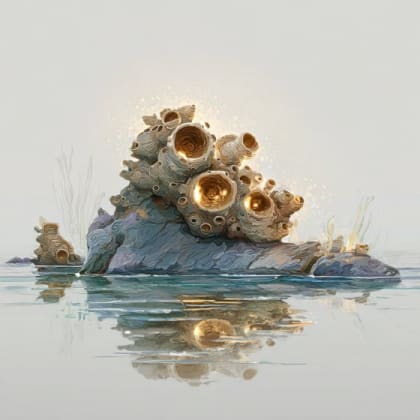
Magnificent Bryozoan
pectinatella magnifica
The Magnificent Bryozoan is a fascinating creature that forms large, fluffy colonies in water. These colonies look like soft, green pillows and are fun to observe in their natural habitat!
Habitat: Freshwater lakes and ponds
The Magnificent Bryozoan is a large, translucent, gelatinous mass, often with a bumpy or brain-like surface. It varies from green to brown, distinguished by its unique, jelly-like texture and irregular shape.
Category
InvertebrateRarity
Common
Danger
0/5 · No known danger
Snaps
4
A single colony can grow to be as heavy as a bowling ball!
Each tiny zooid inside is smaller than a grain of sand!
Some Magnificent Bryozoans have horseshoe-shaped feeding tentacles!
They create tiny, spiky 'life rafts' called statoblasts to survive winter!
Magnificent Bryozoan can regrow an entire colony from a tiny, dormant statoblast, which helps them survive harsh conditions.
Magnificent Bryozoan has thousands of tiny individuals working together, which helps them form massive, complex gelatinous structures.
Magnificent Bryozoan can filter water using tiny tentacles, which helps them catch microscopic food particles.
They are filter-feeders, straining tiny food particles from the water.
Lymnaea stagnalis
Snails munch on the soft, gelatinous colony.
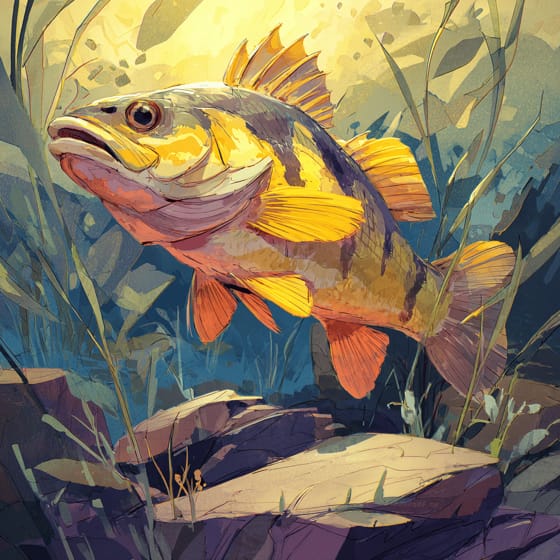
Perca flavescens
Some fish may consume parts of the colony.
Hyalella azteca
Tiny scuds sometimes hide within the colony's nooks.
Social animals live in organized groups, cooperating for survival benefits such as foraging, defense, and raising offspring.
Colorful describes organisms or objects displaying a wide range of bright and distinct colors.
Filter feeders obtain nutrients by straining suspended food particles and small organisms from water.
Describes organisms that break down dead organic material, recycling nutrients back into the ecosystem.

Aquatic habitats encompass environments where organisms live predominantly in water, including oceans, rivers, lakes, and wetlands.
Danger
0/5 · No known danger
No special safety notes yet.
The easiest way to identify Magnificent Bryozoan is to use the Snappit nature identifier app.
1 years
They are filter-feeders, straining tiny food particles from the water.
Freshwater lakes and ponds
Filter Feeding
5 m
60 cm
irregular_gelatinous_mass
Zoom in to split clusters and explore where this object has been snapped.
.jpg)
District of Columbia, US
You might spot Eastern Gray Squirrel, Duck, and House Sparrow.
View guide →

Maryland, US
You might spot Common Pawpaw, Zebra Swallowtail, and Bald Eagle.
View guide →

Virginia, US
You might spot Eastern Tiger Swallowtail, Fowler's Toad, and Monarch.
View guide →

District of Columbia, US
You might spot Duck, Blue Dasher, and Eastern Gray Squirrel.
View guide →

Virginia, US
You might spot Bluegill, Garter Snake, and Eastern Box Turtle.
View guide →
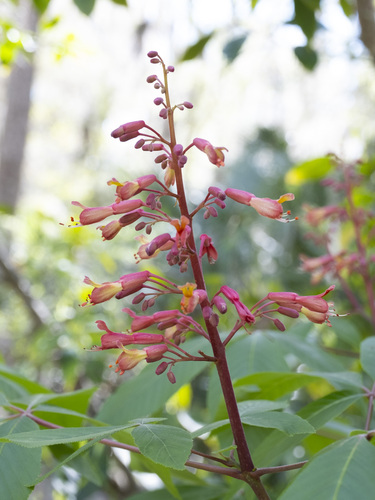
Texas, US
You might spot Red Buckeye, American Beautyberry, and Pond Slider.
View guide →
Take the discovery with you
Snap it with Snappit to identify it, learn what makes it special, and add the discovery to your collection.