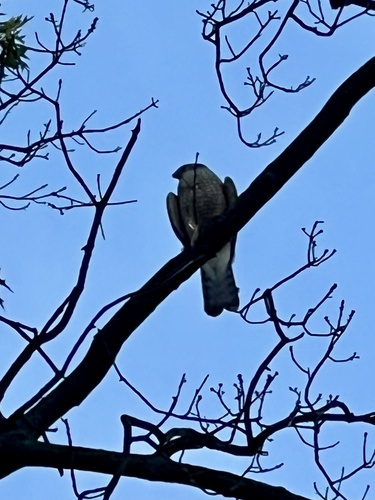
Duck

The United States National Arboretum is a spectacular 451-acre urban oasis in Washington, D.
The United States National Arboretum is a spectacular 451-acre urban oasis in Washington, D.C. This living museum and research facility is dedicated to increasing the aesthetic, environmental, and economic importance of landscape and ornamental plants. It offers a serene and captivating escape into nature, providing a year-round botanical spectacle for visitors.
Explore a diverse tapestry of plant collections, from the world-renowned National Bonsai & Penjing Museum, showcasing centuries-old miniature trees including a Japanese white pine that survived Hiroshima, to the majestic National Capitol Columns, once gracing the U.S. Capitol. Discover the unique forms of the Gotelli Conifer Collection, vibrant Azalea Collections in spring, and the comprehensive National Grove of State Trees. The Asian Collections mesmerize with camellias, witch-hazels, and the rare dove tree, while the Fern Valley Native Plant Collections celebrate indigenous flora.
Whether you seek vibrant spring blooms, lush summer greenery, stunning fall foliage, or peaceful winter walks, the Arboretum promises an unforgettable experience. Its blend of botanical research, historical landmarks, and meticulously curated gardens makes it a treasure for all who visit, offering beauty, education, and tranquility free of charge. Planning to visit? Download the Snappit app to identify the wildlife you spot in real-time.
Enthusiasts:** Unique historical exhibits like the Capitol Columns and Hiroshima Bonsai. * **Those Seeking Tranquility:** Serene gardens, especially the National Bonsai & Penjing Museum.
Drive or walk the 9.5 miles of roadways, explore various gardens and collections, enjoy seasonal blooms, picnic in the designated area at the National Grove of State Trees, and attend educational programs or events.
**Seasonal Notes: ** The Arboretum hosts various events throughout the year, including moonlight hikes and educational programs. Restrooms in the Asian Collection and near the Grove parking lot may close for winter.
**Accessibility Features: ** Many main facilities are wheelchair accessible, including the Administration Building, National Bonsai & Penjing Museum, National Herb Garden, and Friendship Garden. Paved roads throughout the Arboretum make navigation easier for wheelchairs and mobility scooters, and accessible parking is available near major entrances and the Grove of State Trees picnic area. While some garden areas have uneven terrain, much can be viewed from the roadways. Accessible restrooms are available in the Administration Building and Arbor House.
The Arboretum hosts various events throughout the year, including moonlight hikes and educational programs. Restrooms in the Asian Collection and near the Grove parking lot may close for winter.
Accessibility Features: Many main facilities are wheelchair accessible, including the Administration Building, National Bonsai & Penjing Museum, National Herb Garden, and Friendship Garden. Paved roads throughout the Arboretum make navigation easier for wheelchairs and mobility scooters, and accessible parking is available near major entrances and the Grove of State Trees picnic area. While some garden areas have uneven terrain, much can be viewed from the roadways. Accessible restrooms are available in the Administration Building and Arbor House.
Many main facilities are wheelchair accessible, including the Administration Building, National Bonsai & Penjing Museum, National Herb Garden, and Friendship Garden. Paved roads throughout the Arboretum make navigation easier for wheelchairs and mobility scooters, and accessible parking is available near major entrances and the Grove of State Trees picnic area. While some garden areas have uneven terrain, much can be viewed from the roadways. Accessible restrooms are available in the Administration Building and Arbor House.
A world-class collection of miniature Japanese, Chinese, and North American trees, including a 300-year-old Japanese white pine that survived the Hiroshima atomic bombing.
Twenty-two Corinthian columns that supported the U.S. Capitol from 1828 to 1958, now dramatically re-sited in the Ellipse Meadow with a reflecting pool.
Expansive hillsides covered in thousands of azaleas, particularly vibrant in late spring.
Home to nearly 2,000 mature specimen conifers, alongside Japanese maples and ornamental grasses, offering diverse colors and textures.
Each card links to a full Explore page with photos, traits, and fun facts.











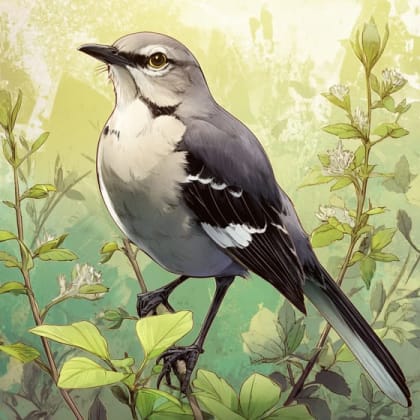

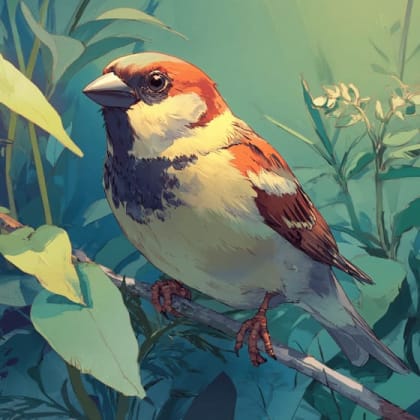

























Start with the big picture, then zoom in to explore individual wildlife observations around this place.
Wear comfortable shoes
The Arboretum is vast, with 9.5 miles of roadways and numerous walking paths; comfortable footwear is essential.
Bring water and snacks
There are no restaurants on-site. Visitors can bring a picnic to enjoy exclusively in the designated picnic area within the National Grove of State Trees.
Plan your route
Due to its size, consider driving between major collections. Ample free parking is available throughout the grounds. If using public transport, check the best bus connections from Metrorail.
Check seasonal highlights
Before your visit, check the Arboretum's website for what's in bloom or for any special events, especially if you have a particular interest like azaleas or cherry blossoms.
Don't miss the National Bonsai & Penjing Museum: This unique museum houses a truly remarkable collection of miniature trees, including historical specimens.
Visit the National Capitol Columns
These iconic columns provide a dramatic historical backdrop and are a popular spot for photos.
Use the correct entrance
If visiting Monday through Friday after 2 p.m., be sure to use the New York Avenue entrance, as the R Street entrance closes to incoming traffic at that time.
Jun 19, 2026
Photo attribution
(c) Frederick Nunley, some rights reserved (CC BY)
License: CC BY 4.0 ↗
Image may be shown cropped inside the card frame.
Jun 19, 2026
Photo attribution
(c) Frederick Nunley, some rights reserved (CC BY)
License: CC BY 4.0 ↗
Image may be shown cropped inside the card frame.
Jun 19, 2026
Photo attribution
(c) Frederick Nunley, some rights reserved (CC BY)
License: CC BY 4.0 ↗
Image may be shown cropped inside the card frame.
Jun 19, 2026
Photo attribution
(c) Frederick Nunley, some rights reserved (CC BY)
License: CC BY 4.0 ↗
Image may be shown cropped inside the card frame.
Jun 19, 2026
Photo attribution
(c) Frederick Nunley, some rights reserved (CC BY)
License: CC BY 4.0 ↗
Image may be shown cropped inside the card frame.

Maryland, US
You might spot White-Tailed Deer and Eastern Gray Squirrel.
View guide →
.jpg)
District of Columbia, US
You might spot Eastern Gray Squirrel, Duck, and House Sparrow.
View guide →

Illinois, US
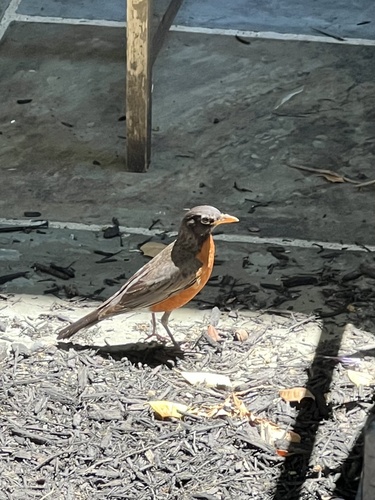
You might spot American Robin, Canada Goose, and House Sparrow.
View guide →

Virginia, US
You might spot Spotted Lanternfly and Northern Cardinal.
View guide →
Take the discovery with you
Identify the wildlife you spot, learn as you go, and keep a collection of the adventure.