





Mandarin Duck
Aix galericulata
Mandarin Ducks are colorful birds that look like they are wearing fancy clothes! They love to swim and can be found near ponds and lakes, where they play and splash around.
Habitat: Wetlands
The Mandarin Duck is renowned for the male's spectacular plumage, featuring a metallic green and purple crest, broad orange 'sails' on its back, and a vibrant rufous collar. Its face has a striking white crescent above the eye. Females are more subdued, with grey heads and white eye-rings.
Category
BirdsRarity
Common
Danger
1/5 · Very low
Snaps
Be the first to snap!
Baby Mandarin ducks bravely jump from high tree holes just one day after hatching!
In Asia, Mandarin Ducks symbolize lasting love and fidelity, often seen in beautiful art!
Mandarin Ducks are super close relatives of the famous North American Wood Duck!
The male's amazing 'sails' on its back are actually special modified flight feathers!
Mandarin Ducks can perch high in trees because of their strong claws, helping them avoid predators and find safe nesting spots.
Mandarin Ducks have special nesting habits, laying eggs deep inside tree cavities that protect their eggs and ducklings.
Mandarin Ducks can dive underwater using their webbed feet, helping them snatch up tasty submerged plants and insects.
Mandarin Ducks enjoy a mix of seeds, plants, and small critters found in and around water.
Age differences: Ducklings eat more insects for protein; adults shift to more plant material.
Quercus serrata
Eats its acorns, especially important food source in winter.
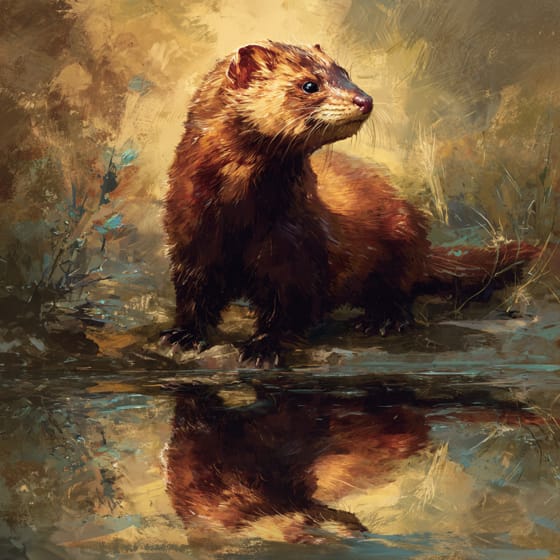
Neovison vison
Predates eggs and ducklings, sometimes even adult birds.
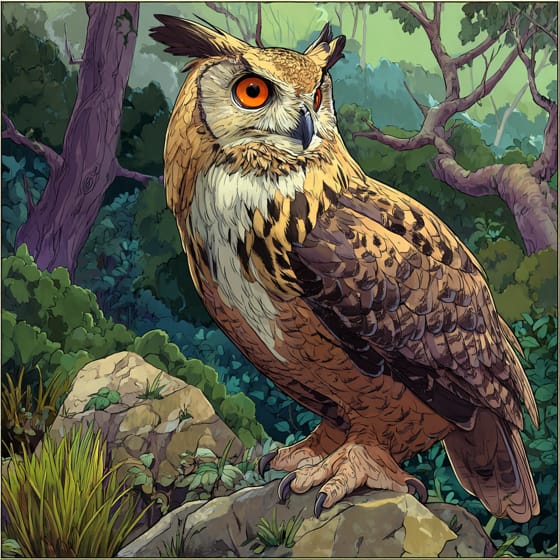
Bubo bubo
Hunts adult ducks, particularly during the night.
Feathered describes animals, primarily birds, possessing a covering of feathers.
Social animals live in organized groups, cooperating for survival benefits such as foraging, defense, and raising offspring.
This trait identifies organisms whose diet includes both plant and animal matter.
Arboreal animals live primarily in trees, utilizing them for shelter, food, and protection from predators.

Colorful describes organisms or objects displaying a wide range of bright and distinct colors.

Filter feeders obtain nutrients by straining suspended food particles and small organisms from water.

This habitat trait identifies species found in wetlands, which are areas of land saturated with water, either permanently or seasonally, including marshes, swamps, and bogs.

Diurnal animals are primarily active during daylight hours, typically resting or sleeping at night.

Freshwater habitats include non-saline aquatic environments such as rivers, lakes, ponds, and wetlands, vital for numerous species.

Migratory animals undertake seasonal movements from one region to another, typically in response to changes in climate or food availability.
No aliases listed yet.
Danger
1/5 · Very low
Always watch ducks from a distance and don't feed them bread.
The easiest way to identify Mandarin Duck is to use the Snappit nature identifier app.
41-49 cm
65-75 cm
0.44-0.69 kg
6-10 years
65 km/h
Mandarin Ducks enjoy a mix of seeds, plants, and small critters found in and around water.
Wetlands
Zoom in to split clusters and explore where this object has been snapped.
Recent snaps will appear here as new observations are added.
Take the discovery with you
Snap it with Snappit to identify it, learn what makes it special, and add the discovery to your collection.





.jpg&width=800)







