





Mandevilla
Mandevilla
Mandevilla is a beautiful climbing plant with colorful trumpet-shaped flowers. It loves to grow on trellises and fences, adding a splash of color to gardens.
Habitat: Gardens
The Mandevilla is a vibrant vining or shrubby plant featuring glossy, dark green leaves and showy, trumpet-shaped flowers. Its blooms, often in shades of pink, red, white, or yellow, contrast beautifully with the foliage, making it a garden standout.
Category
PlantsRarity
Common
Danger
2/5 · Low
Snaps
Be the first to snap!
Its milky sap is sticky, almost like a secret natural glue!
Mandevilla was once called Dipladenia before scientists reclassified it!
Some Mandevilla varieties can slightly change their flower color based on temperature!
They are native to the warm, sunny regions of Central and South America.
Mandevilla has trumpet-shaped flowers that produce abundant nectar, which helps it attract various insects and birds for pollination.
Mandevilla can bloom continuously for months, even in warm conditions, ensuring a long season of attracting pollinators and reproducing.
Apis mellifera
Collects nectar and pollen
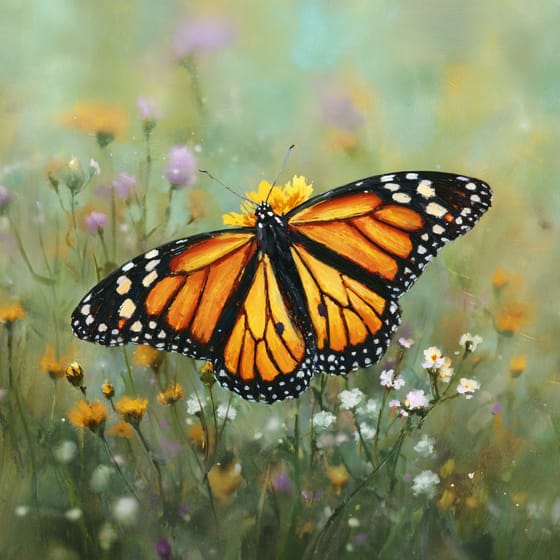
Danaus plexippus
Feeds on nectar from flowers
Syrphus ribesii
Visits flowers for nectar
Flowering plants are any plants that produce flowers as part of their reproductive cycle.
Ornamental plants are cultivated primarily for their aesthetic appeal, enhancing landscapes and gardens with their attractive foliage, flowers, or form.
Everblooming plants produce flowers continuously or in repeated flushes over a long period.
Fragrant flowers emit a pleasant aroma, often to attract pollinators or for defense.

Rapid growing plants exhibit accelerated growth rates, quickly increasing in size and biomass within a short period.
Danger
2/5 · Low
Enjoy the beauty of Mandevilla from a safe distance and avoid touching or ingesting any part of the plant.
The easiest way to identify Mandevilla is to use the Snappit nature identifier app.
30-300 cm
30-100 cm
5-10 cm
Late spring to first frost; year-round in tropics
No
Mild
Perennial
Zoom in to split clusters and explore where this object has been snapped.
Recent snaps will appear here as new observations are added.
Take the discovery with you
Snap it with Snappit to identify it, learn what makes it special, and add the discovery to your collection.








.jpg&width=800)


_001.jpg&width=800)




