





Margined White
Pieris marginalis
The Margined White is a beautiful butterfly with white wings and black edges. It loves to flutter around gardens and fields, bringing joy to everyone who sees it.
Habitat: Grasslands
The Margined White is a medium-sized butterfly with white wings, often showing faint dark scaling along the margins, especially on females. Its undersides can have a yellowish tint or dark dust-like scaling along veins, differentiating it from similar white butterflies.
Category
InsectsRarity
Common
Danger
1/5 · Very low
Snaps
4
It's like a tiny flying map-maker, finding its way using the sun!
Margined Whites are great at 'playing dead' if they feel threatened!
Some Margined Whites can produce two generations of butterflies in a single year!
This butterfly starts as a hungry caterpillar that loves to munch on mustard plants!
Margined White can blend into dappled sunlight because of its white wings and subtle markings that help it hide from predators.
Margined White has special sensors on its feet that help it 'taste' leaves to find the perfect spot to lay eggs.
Margined White can sip sweet nectar from flowers using its long proboscis, helping it fuel its flights and pollinate plants.
Adult Margined Whites drink flower nectar; caterpillars munch on plants from the mustard family.
Age differences: Larvae (caterpillars) feed on leaves of host plants, while adults drink nectar from flowers.
Cardamine nuttallii
Its leaves are food for Margined White caterpillars.
Dentaria californica
Young caterpillars munch on this plant's leaves.

Cyanocitta stelleri
This bird may hunt and eat Margined White adults.
Araneus diadematus
Spiders can ambush unwary butterflies in their webs.
Solidago canadensis
Adult butterflies visit its flowers for nectar, spreading pollen.
Colorful describes organisms or objects displaying a wide range of bright and distinct colors.
Grassland habitats are terrestrial biomes dominated by grasses and herbaceous plants, supporting a variety of grazing animals.
This trait characterizes organisms whose diet consists entirely or primarily of plant material.
Describes plants that are particularly attractive and beneficial to a wide range of pollinating organisms.

Diurnal animals are primarily active during daylight hours, typically resting or sleeping at night.

Migratory animals undertake seasonal movements from one region to another, typically in response to changes in climate or food availability.

Describes organisms that transfer pollen, enabling the fertilization and reproduction of plants.
No aliases listed yet.
Danger
1/5 · Very low
Butterflies are gentle creatures; just watch them from a distance.
The easiest way to identify Margined White is to use the Snappit nature identifier app.
35-50 mm
15-25 mm
10-20 days
15 km/h
Adult Margined Whites drink flower nectar; caterpillars munch on plants from the mustard family.
Grasslands
Foraging
Zoom in to split clusters and explore where this object has been snapped.

California, US
You might spot Checkerbloom and Fuchsiaflower Gooseberry.
View guide →

California, US
You might spot Broad-Leaved Stonecrop and Pacific Bleeding Heart.
View guide →

California, US
You might spot Pacific Banana Slug and Pacific Trillium.
View guide →

California, US
You might spot Pacific Hound's Tongue, Pacific Trillium, and Redwood.
View guide →
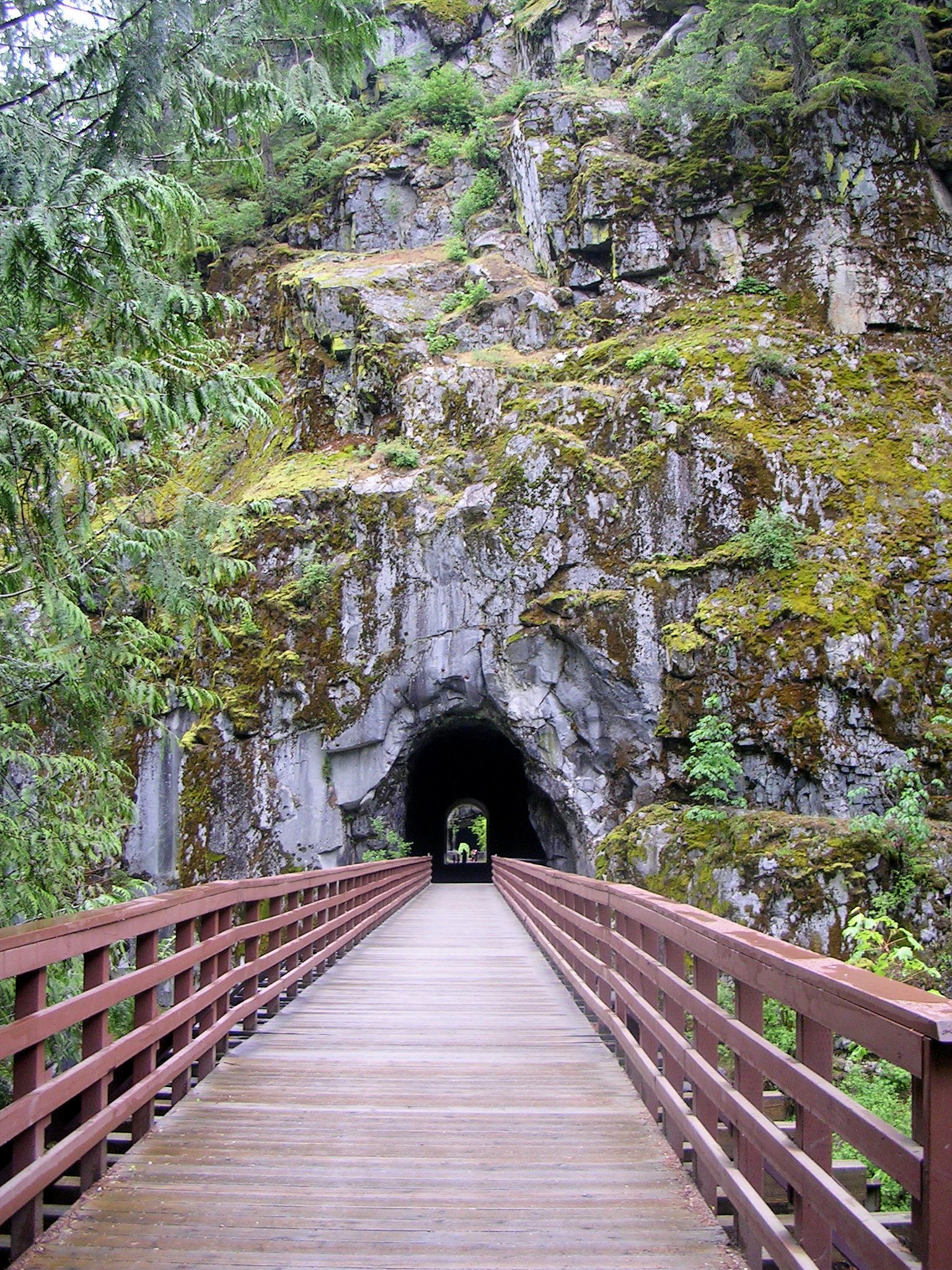
British Columbia, CA
You might spot Western Sword Fern, Vine Maple, and Thimbleberry.
View guide →
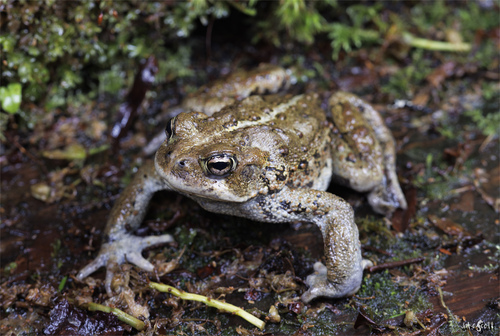
British Columbia, CA
You might spot Western Toad, Himalayan Balsam, and Western Sword Fern.
View guide →
Take the discovery with you
Snap it with Snappit to identify it, learn what makes it special, and add the discovery to your collection.






.jpg&width=800)



