





Mariposa Copper
Tharsalea mariposa
The Mariposa Copper is a beautiful butterfly with bright orange and black wings. It flutters around flowers and loves sunny spots, making it a delightful sight in nature.
Habitat: Meadows
The Mariposa Copper is a small butterfly with brilliant, iridescent coppery-orange upperwings, often marked with dark spots. Its hindwings can be dusky with a subtle dark band, while the undersides are typically duller gray or tan for camouflage, helping it blend into its environment.
Category
InsectsRarity
Common
Danger
1/5 · Very low
Snaps
Be the first to snap!
Baby Mariposa Coppers look like tiny green slugs, not fuzzy caterpillars, as they munch on leaves.
Its shiny wings often flash brilliant copper, making it look like a flying penny in the sun!
These butterflies sometimes gather in damp spots to drink important minerals from the soil, a behavior called 'puddling.'
Unlike many butterflies, male Mariposa Coppers are very territorial and will chase other insects out of their space!
Mariposa Copper can drink sweet flower nectar using a long, straw-like mouthpart (proboscis), reaching deep into blossoms for energy.
Mariposa Copper has duller underside wings that blend perfectly with dried leaves and bark when resting, helping them hide.
Mariposa Copper has dark body parts that absorb sunlight, helping them warm up quickly for flight on cool mountain mornings.
Adults sip flower nectar for energy; caterpillars munch on specific plant leaves to grow.
Age differences: Larvae eat the leaves of cinquefoil plants; adults drink nectar from various flowering plants.
Potentilla gracilis
Its larvae feed exclusively on the leaves of this host plant.
Solidago canadensis
Adult butterflies visit its flowers, drinking nectar and transferring pollen.

Cyanocitta stelleri
Birds like this one are generalist predators of adult butterflies.
Social animals live in organized groups, cooperating for survival benefits such as foraging, defense, and raising offspring.
Colorful describes organisms or objects displaying a wide range of bright and distinct colors.
This trait characterizes organisms whose diet consists entirely or primarily of plant material.
Describes plants that are particularly attractive and beneficial to a wide range of pollinating organisms.

Diurnal animals are primarily active during daylight hours, typically resting or sleeping at night.

Describes organisms that transfer pollen, enabling the fertilization and reproduction of plants.
No aliases listed yet.
Danger
1/5 · Very low
Always watch butterflies from a distance and don't try to catch them.
The easiest way to identify Mariposa Copper is to use the Snappit nature identifier app.
25-35 mm
10-15 mm
15-30 days
10 km/h
Adults sip flower nectar for energy; caterpillars munch on specific plant leaves to grow.
Meadows
Foraging
Zoom in to split clusters and explore where this object has been snapped.
Recent snaps will appear here as new observations are added.

British Columbia, CA
You might spot Shinyleaf Meadowsweet, Northern Checkerspot, and Fireweed.
View guide →
British Columbia, CA
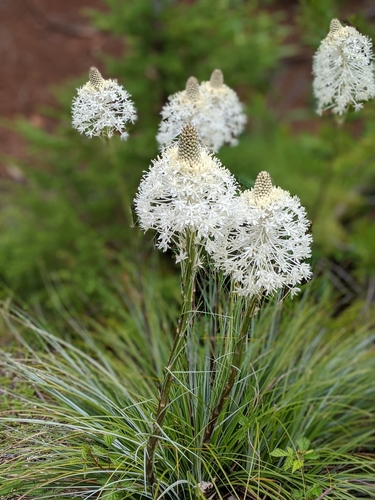
You might spot Common Beargrass and Subalpine Larch.
View guide →

British Columbia, CA
You might spot Common Golden-Mantled Ground Squirrel.
View guide →

British Columbia, CA
You might spot White Pasqueflower and Hoary Marmot.
View guide →
Take the discovery with you
Snap it with Snappit to identify it, learn what makes it special, and add the discovery to your collection.







.jpg&width=800)



