





Cassin's 17-year Cicada
Magicicada cassinii
Cassin's 17-year Cicada is a special bug that only comes out every 17 years! They make loud buzzing sounds to find friends and are often seen in trees during the summer.
Habitat: Forests
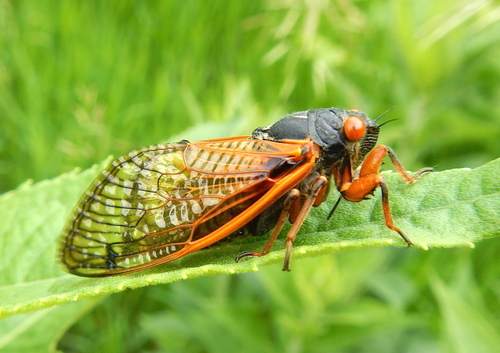
The Cassin's 17-year Cicada has a mostly black body with striking bright red eyes. Its clear wings are distinguished by prominent orange-red veins. It is visually smaller and stockier compared to some other periodical cicada species, adding to its unique appearance.
Category
InsectsRarity
Common
Danger
1/5 · Very low
Snaps
Be the first to snap!
A single brood can have billions of cicadas erupting from the ground!
Males create a loud, drumming chorus, while females respond with wing clicks.
Their eyes are bright red, making them look like tiny aliens!
They drink sap from tree roots for 17 years before emerging.
Cassin's 17-year Cicada has a 17-year life cycle (a prime number) that helps them avoid predators with shorter, even-numbered life cycles.
Male cicadas can produce a distinct, loud buzzing call using special vibrating membranes (tymbals) that helps them attract mates from far away.
Tiny straws help them drink yummy sap from tree roots and twigs.
Age differences: Nymphs feed on tree root sap underground, while adults briefly feed on twig sap above ground.
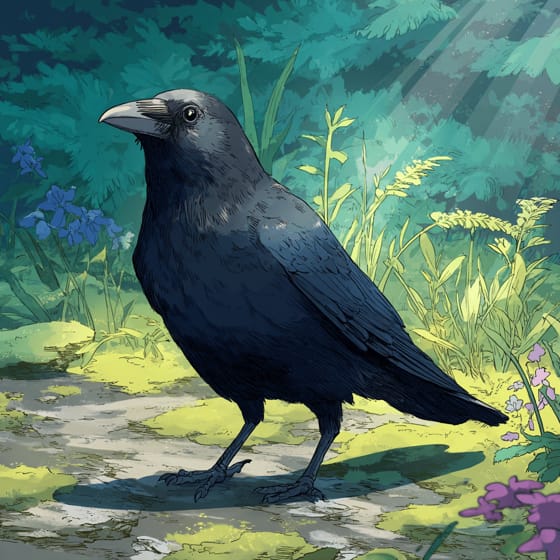
Corvus brachyrhynchos
Crows are opportunistic predators.
Massospora cicadina
Infects cicadas, controlling behavior.

Quercus alba
Nymphs feed on roots, adults on sap.

Procyon lotor
Raccoons feast on emerging cicadas.
Social animals live in organized groups, cooperating for survival benefits such as foraging, defense, and raising offspring.
Singing animals produce complex vocalizations, often for purposes of attracting mates, defending territory, or communicating within their species.
This trait characterizes organisms whose diet consists entirely or primarily of plant material.
Forest habitats are terrestrial environments dominated by dense tree cover, supporting a high diversity of plant and animal life.

This trait characterizes organisms with an exceptionally long lifespan compared to others of their kind.

Diurnal animals are primarily active during daylight hours, typically resting or sleeping at night.
No aliases listed yet.
Danger
1/5 · Very low
Cicadas are safe to watch, but don't touch them too much.
The easiest way to identify Cassin's 17-year Cicada is to use the Snappit nature identifier app.
60-80 mm
25-30 mm
6190-6220 days
10 km/h
Tiny straws help them drink yummy sap from tree roots and twigs.
Forests
Foraging
Zoom in to split clusters and explore where this object has been snapped.
Recent snaps will appear here as new observations are added.

Illinois, US
You might spot American Robin, Monarch, and Duck.
View guide →

Illinois, US
You might spot Common Milkweed and Common Eastern Bumble Bee.
View guide →

Ohio, US
You might spot Cassin's 17-Year Cicada and White-Tailed Deer.
View guide →
Ohio, US
You might spot Cassin's 17-Year Cicada, Pharaoh Cicada, and Leafcup.
View guide →

District of Columbia, US
You might spot Eastern Gray Squirrel, Bee, and Purpletop Vervain.
View guide →
Take the discovery with you
Snap it with Snappit to identify it, learn what makes it special, and add the discovery to your collection.







.jpg&width=800)



