





Marsh Frog
Pelophylax ridibundus
The Marsh Frog is a lively green frog that loves to jump around in wetlands. They make a loud croaking sound, especially during the warm months when they are looking for friends!
Habitat: Wetlands
The Marsh Frog is typically bright green or olive-brown, often with irregular dark spots and sometimes a light green stripe down its back. Its underside is usually white, and its head is triangular with prominent eyes, giving it a powerful, robust appearance compared to smaller pond frogs.
Category
AmphibiansRarity
Common
Danger
1/5 · Very low
Snaps
Be the first to snap!
Marsh Frogs are the largest native frog species found in much of Europe!
Marsh Frogs hibernate by burrowing deep into mud at the bottom of ponds!
Their distinctive call can sometimes sound like a dog barking in the distance!
They can tolerate slightly salty water, unlike many other freshwater frogs.
Marsh Frogs have strong, webbed hind feet that help them swim very fast and escape danger underwater.
Marsh Frogs can inflate vocal sacs on their cheeks to make an incredibly loud, laughing-like croak.
Marsh Frogs have a long, sticky tongue that helps them quickly snatch flying insects right out of the air.
Marsh Frogs are hungry predators that eat almost any small creature they can catch!
Age differences: Tadpoles eat algae and plant matter; adults are carnivorous.
.jpg&width=800)
Ardea cinerea
Herons are major bird predators of adult Marsh Frogs.
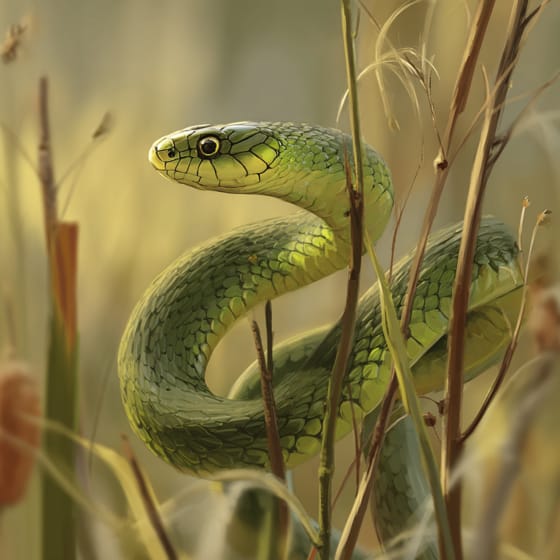
Natrix natrix
Grass Snakes hunt Marsh Frogs in and around their watery habitats.
_female.jpg&width=800)
Libellula depressa
Marsh Frogs actively hunt and consume various dragonfly species.
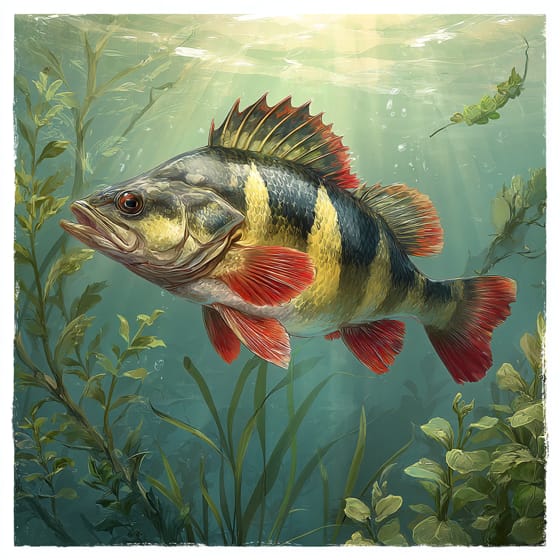
Perca fluviatilis
Larger fish, like perch, may prey on Marsh Frog tadpoles.
Characterized by having toes connected by a membrane, typically aiding in swimming.
Social animals live in organized groups, cooperating for survival benefits such as foraging, defense, and raising offspring.
Camouflaged describes organisms that possess coloring or patterns that allow them to blend into their environment.
This trait identifies organisms whose diet primarily consists of insects and other small invertebrates.

This habitat trait identifies species found in wetlands, which are areas of land saturated with water, either permanently or seasonally, including marshes, swamps, and bogs.

This trait identifies organisms whose diet consists entirely or primarily of animal tissue.

Diurnal animals are primarily active during daylight hours, typically resting or sleeping at night.
Danger
1/5 · Very low
Always watch where you step near water, as frogs can be slippery and quick!
The easiest way to identify Marsh Frog is to use the Snappit nature identifier app.
6-17 cm
0.05-0.25 kg
6-10 years
10 km/h
Marsh Frogs are hungry predators that eat almost any small creature they can catch!
Wetlands
Ambush
Zoom in to split clusters and explore where this object has been snapped.
Recent snaps will appear here as new observations are added.
Take the discovery with you
Snap it with Snappit to identify it, learn what makes it special, and add the discovery to your collection.








.JPG&width=800)



.jpg&width=800)

