





Green Toad
Bufotes viridis
The Green Toad is a small, friendly amphibian with a bumpy green skin. They love to hop around in wet places and can be found near ponds and streams.
Habitat: Wetlands
The Green Toad has a warty body with distinctive green patches, blotches, or spots on a grey, beige, or pale background. It possesses prominent yellow or greenish-yellow eyes with horizontal pupils, making it unique among common toads.
Category
AmphibiansRarity
Common
Danger
1/5 · Very low
Snaps
Be the first to snap!
Green Toads can live to be over 10 years old, sometimes even 20 in safe habitats!
Their unique call sounds more like a bird's trilling whistle than a typical toad croak!
These toads have special bumpy glands that release a stinky, yucky goo if they feel threatened!
Unlike most amphibians, Green Toads can survive in slightly salty water!
Green Toad can change its skin color to blend perfectly with its surroundings, which helps them hide from predators and sneak up on prey.
Green Toad has glands in its skin that release a mild toxin, which helps them taste bad and deter most predators.
Green Toad can absorb water through its skin from damp soil, because it helps them stay hydrated without needing to drink.
These bug-eating toads feast on small creepy-crawlies they can catch with their sticky tongue!
Age differences: Tadpoles are herbivorous, eating algae and detritus, while adult toads are carnivorous.
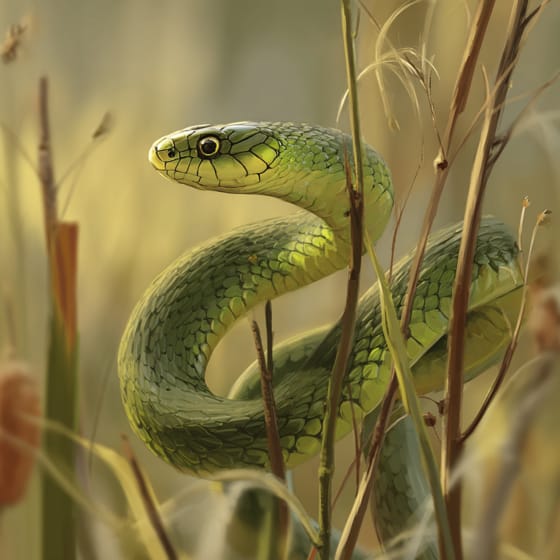
Natrix natrix
Snakes are common predators of adult toads.

Ciconia ciconia
Large birds like storks can prey on toads.
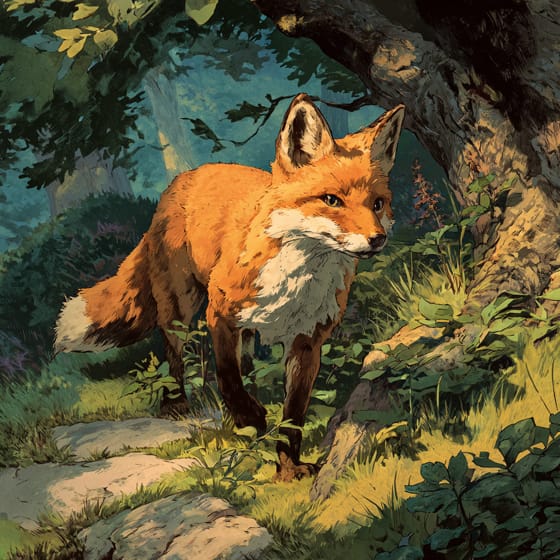
Vulpes vulpes
Mammalian predators, like foxes, hunt toads.
Formica rufa
Green Toads consume various ant species.
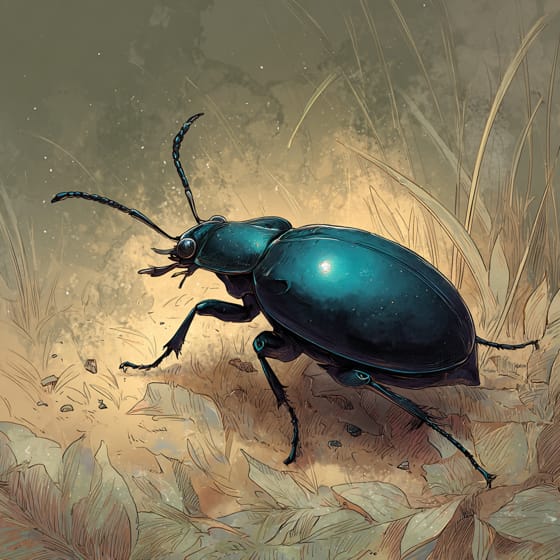
Carabus nemoralis
Beetles are a significant part of their diet.
Marked with spots or patches of a different color.
Social animals live in organized groups, cooperating for survival benefits such as foraging, defense, and raising offspring.
Camouflaged describes organisms that possess coloring or patterns that allow them to blend into their environment.
This trait identifies organisms whose diet primarily consists of insects and other small invertebrates.

This trait characterizes organisms with an exceptionally long lifespan compared to others of their kind.

This habitat trait identifies species found in wetlands, which are areas of land saturated with water, either permanently or seasonally, including marshes, swamps, and bogs.

Nocturnal animals are primarily active during the nighttime hours, typically resting or sleeping during the day.

Describes organisms that transfer pollen, enabling the fertilization and reproduction of plants.
No aliases listed yet.
Danger
1/5 · Very low
Always wash your hands after touching a toad, as their skin can be sensitive.
The easiest way to identify Green Toad is to use the Snappit nature identifier app.
5-9 cm
0.01-0.07 kg
7-12 years
0.5 km/h
These bug-eating toads feast on small creepy-crawlies they can catch with their sticky tongue!
Wetlands
Ambush
Zoom in to split clusters and explore where this object has been snapped.
Recent snaps will appear here as new observations are added.
Take the discovery with you
Snap it with Snappit to identify it, learn what makes it special, and add the discovery to your collection.








.JPG&width=800)



.jpg&width=800)
