





curved-beak lousewort
Pedicularis contorta
Curved-beak lousewort is a special plant with unique, curved flowers. It grows in rocky areas and is often found in beautiful meadows, adding color to nature.
Habitat: Mountain regions
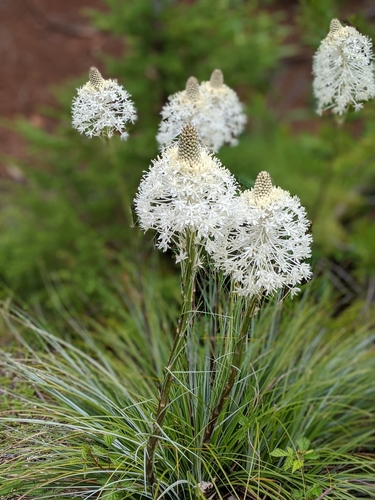
The curved-beak lousewort has striking yellowish-green flowers, shaped distinctly like a narrow, curved bird's beak. Its leaves are deeply cut, appearing fern-like and often clustered near the base, creating a bushy low-growing plant.
Category
PlantsRarity
Common
Danger
1/5 · Very low
Snaps
Be the first to snap!
It only grows in western North America, high up in mountain meadows!
Its "lousewort" name comes from an old belief it cured livestock of lice!
Its yellowish-green flowers can sometimes show a lovely purple blush!
The tiny seeds are carried far by mountain winds to find new homes!
Curved-beak lousewort can connect its roots to nearby plants, 'borrowing' water and nutrients to help it thrive.
It has adapted to grow in harsh mountain environments, surviving cold winds and thin soils where few other plants can.
Its uniquely shaped flowers guide specific bumblebees, ensuring efficient pollination for successful seed production.
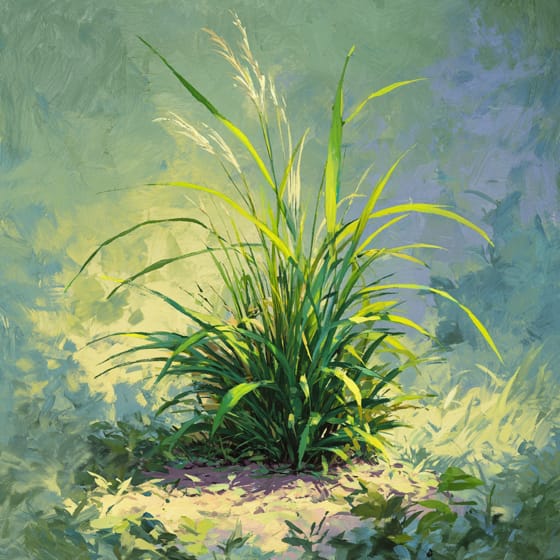
Poa pratensis
taps into its roots for water and nutrients
Bombus appositus
attracted to its unique flower shape and nectar
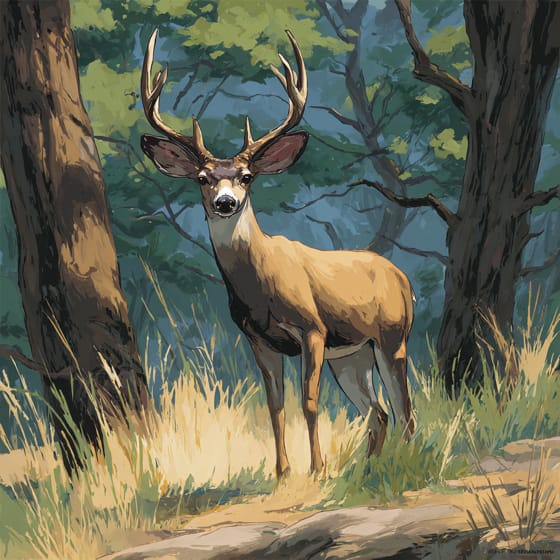
Odocoileus hemionus
grazes on the plant in mountain meadows
Flowering plants are any plants that produce flowers as part of their reproductive cycle.
Spring blooming plants produce their flowers during the spring season, often signifying the end of winter and the start of new growth.
A tube flower has petals fused together at the base, forming a distinct tubular structure that typically holds nectar deep within.
Colorful describes organisms or objects displaying a wide range of bright and distinct colors.

Describes plants that are particularly attractive and beneficial to a wide range of pollinating organisms.

Describes a relationship between two different species where they live in close association, often benefiting one or both.

This habitat trait identifies species found in mountainous regions, characterized by high elevation, steep slopes, and varying climate zones.

Describes a species whose presence and role have a disproportionately large effect on its environment.

Endangered status indicates a species is at a very high risk of extinction in the wild in the near future.
No aliases listed yet.
Danger
1/5 · Very low
Always look but don't touch wild plants unless a grown-up says it's okay.
The easiest way to identify curved-beak lousewort is to use the Snappit nature identifier app.
10-40 cm
5-20 cm
1-2 cm
Summer
No
None
Perennial
Zoom in to split clusters and explore where this object has been snapped.
Recent snaps will appear here as new observations are added.
Take the discovery with you
Snap it with Snappit to identify it, learn what makes it special, and add the discovery to your collection.








.jpg&width=800)



_001.jpg&width=800)




