





Marsh Tit
Poecile palustris
The Marsh Tit is a small, friendly bird that loves to flit around in bushes and trees. It has a cute black cap on its head and a soft, brown body. You can often hear its cheerful calls in the woods!
Habitat: Woodlands
The Marsh Tit has a glossy, jet-black cap extending to its nape, striking white cheeks, and a small black bib. Its back is dull brown, contrasting with pale greyish-buff underparts. This bird looks very similar to the Willow Tit but has a shinier black cap and often lacks a pale wing panel.
Category
BirdsRarity
Common
Danger
1/5 · Very low
Snaps
Be the first to snap!
Despite its name, the Marsh Tit usually prefers woods, parks, and gardens, not wet marshy areas!
Marsh Tits are very clever at finding the best places to hide their winter food, like a tiny treasure hunter.
These small birds are mostly homebodies, rarely traveling far from where they hatched their entire lives!
To tell Marsh Tits and Willow Tits apart, listen carefully: their calls sound very different to an expert ear!
Marsh Tit can store vast amounts of food in many secret spots, ensuring they have meals even in winter.
Marsh Tit has a diverse range of calls used to communicate with others and warn of danger, like a secret bird language.
Marsh Tit can cling to tiny twigs and hang upside down effortlessly, allowing it to find food others miss.
A tiny hunter and gatherer, they enjoy insects in summer and seeds, berries, and nuts in winter.

Accipiter nisus
A fast predator that hunts small birds in woodlands.

Strix aluco
A nocturnal hunter that preys on small woodland birds.
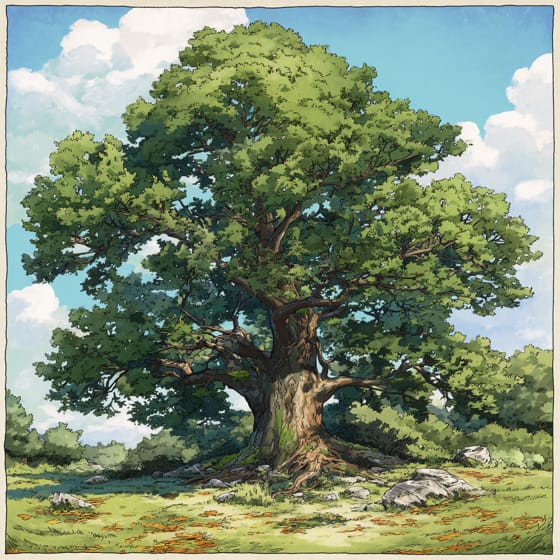
Quercus robur
Provides shelter and food like acorns and insects for the tit.
Araneus diadematus
Marsh Tits actively forage for spiders and insects.
Feathered describes animals, primarily birds, possessing a covering of feathers.
Social animals live in organized groups, cooperating for survival benefits such as foraging, defense, and raising offspring.
Singing animals produce complex vocalizations, often for purposes of attracting mates, defending territory, or communicating within their species.
Arboreal animals live primarily in trees, utilizing them for shelter, food, and protection from predators.

This trait identifies organisms whose diet primarily consists of insects and other small invertebrates.

Forest habitats are terrestrial environments dominated by dense tree cover, supporting a high diversity of plant and animal life.

This habitat trait identifies species found in wetlands, which are areas of land saturated with water, either permanently or seasonally, including marshes, swamps, and bogs.

Diurnal animals are primarily active during daylight hours, typically resting or sleeping at night.
No aliases listed yet.
Danger
1/5 · Very low
Enjoy watching birds from a distance and don't try to touch them.
The easiest way to identify Marsh Tit is to use the Snappit nature identifier app.
11-12 cm
18-20 cm
0.009-0.012 kg
2-5 years
35 km/h
A tiny hunter and gatherer, they enjoy insects in summer and seeds, berries, and nuts in winter.
Woodlands
Zoom in to split clusters and explore where this object has been snapped.
Recent snaps will appear here as new observations are added.
Take the discovery with you
Snap it with Snappit to identify it, learn what makes it special, and add the discovery to your collection.




.jpg&width=800)








