





Great White Pelican
Pelecanus onocrotalus
The Great White Pelican is a large, graceful bird with a big bill and white feathers. They are often seen gliding over lakes and wetlands, using their strong wings to soar high in the sky.
Habitat: Wetlands
The Great White Pelican has mostly pristine white plumage with contrasting black flight feathers visible when its wings are spread. It features a large, flattened bill, a striking yellow to orange throat pouch, and pinkish-yellow legs. Its sheer size and the distinctive pouch make it unmistakable.
Category
BirdsRarity
Common
Danger
1/5 · Very low
Snaps
Be the first to snap!
A pelican's pouch can hold up to 3 gallons of water, more than its stomach!
Pelicans have a special bone on their tongue to help them swallow huge fish!
Their large feet are webbed, making them excellent swimmers in the water.
They often gather in flocks of thousands, creating a noisy spectacle!
Great White Pelican has a giant throat pouch that helps them scoop up large amounts of fish like a fishing net.
Great White Pelicans can work together to herd fish, making it easier for them to catch meals.
Great White Pelicans can soar effortlessly on thermal air currents, saving energy during long flights.
These giant birds mostly eat fish, using their huge pouches to scoop up their slippery prey!
Tilapia nilotica
a primary food source in many habitats
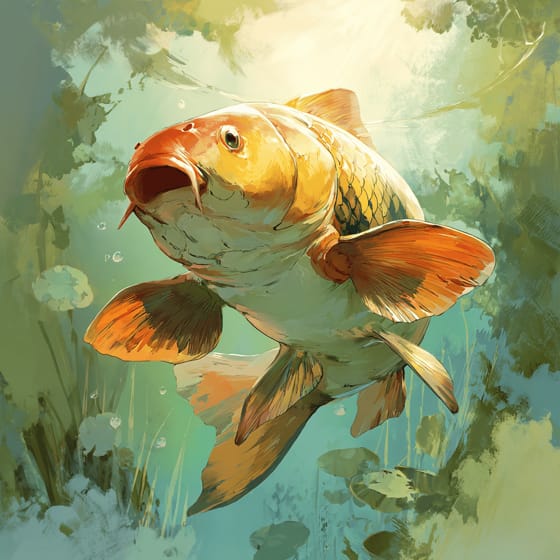
Cyprinus carpio
a common and abundant fish prey species
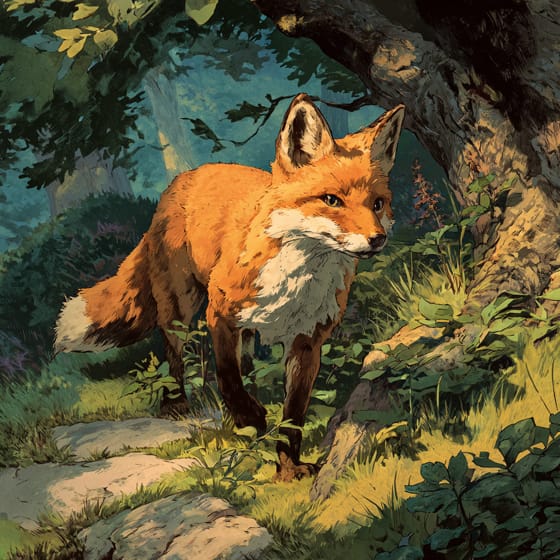
Vulpes vulpes
may prey on eggs and young pelican chicks
Feathered describes animals, primarily birds, possessing a covering of feathers.
Social animals live in organized groups, cooperating for survival benefits such as foraging, defense, and raising offspring.
Filter feeders obtain nutrients by straining suspended food particles and small organisms from water.
Gliding animals move through the air by launching themselves and maintaining flight with specialized body structures, without flapping wings.

Piscivorous organisms are animals that primarily subsist on a diet of fish.

This habitat trait identifies species found in wetlands, which are areas of land saturated with water, either permanently or seasonally, including marshes, swamps, and bogs.

Diurnal animals are primarily active during daylight hours, typically resting or sleeping at night.

Describes a species whose presence and role have a disproportionately large effect on its environment.

Giant describes organisms or objects of significantly larger size than average for their species or type.

Migratory animals undertake seasonal movements from one region to another, typically in response to changes in climate or food availability.
No aliases listed yet.
Danger
1/5 · Very low
Always watch birds from a distance and don't disturb their nests.
The easiest way to identify Great White Pelican is to use the Snappit nature identifier app.
140-180 cm
226-360 cm
9-15 kg
10-30 years
50 km/h
These giant birds mostly eat fish, using their huge pouches to scoop up their slippery prey!
Wetlands
Zoom in to split clusters and explore where this object has been snapped.
Recent snaps will appear here as new observations are added.
Take the discovery with you
Snap it with Snappit to identify it, learn what makes it special, and add the discovery to your collection.




.jpg&width=800)








