





Hammond's Flycatcher
Empidonax hammondii
Hammond's Flycatcher is a small bird that loves to catch insects in the air. With its soft greenish-yellow feathers, it blends in well with trees and bushes, making it a fun bird to spot!
Habitat: Forests
The Hammond's Flycatcher is a small, slender bird with an overall drab grayish-green back and a paler belly. It has a subtle, broken white eye-ring and long primary feathers that extend beyond its short tail, giving it a distinctive 'long-winged' look compared to similar species.
Category
BirdsRarity
Common
Danger
1/5 · Very low
Snaps
1
Hammond's Flycatchers often flick their short tails downwards while perched, a unique little habit!
They migrate thousands of miles twice a year, from chilly mountains to warm tropics!
This tiny bird is named after Dr. William A. Hammond, an army naturalist!
Unlike many birds, its song is often described as a soft, three-part 'sip-swee-sip' call!
Hammond's Flycatcher can swiftly dart out from a perch and catch flying insects mid-air because of its agile flight and keen eyesight.
Hammond's Flycatcher has muted green-gray plumage that helps them blend perfectly into the forest canopy, making them hard for predators to spot.
Hammond's Flycatcher can spot tiny insects from a distance because of its excellent vision, allowing it to efficiently hunt its prey.
Hammond's Flycatcher has a quiet, quick flight style that helps them ambush unsuspecting insects without being detected.
These small birds are expert bug catchers, feasting mostly on flying insects and spiders.
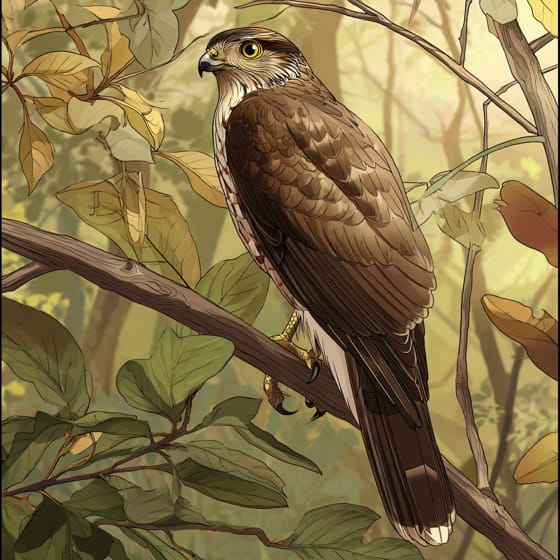
Accipiter cooperii
A common forest raptor that preys on small birds.
Chironomus plumosus
Actively catches and eats various small flying insects like midges.
Vespula vulgaris
Forages for many types of flying insects, including wasps.
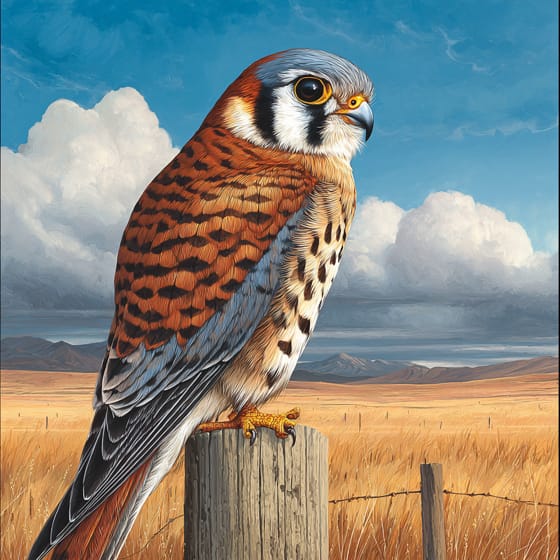
Falco sparverius
A small falcon that can prey on small flycatchers.
Feathered describes animals, primarily birds, possessing a covering of feathers.
Social animals live in organized groups, cooperating for survival benefits such as foraging, defense, and raising offspring.
Aerial creatures spend a significant portion of their lives airborne, utilizing flight for various activities such as hunting, migration, or nesting.
Singing animals produce complex vocalizations, often for purposes of attracting mates, defending territory, or communicating within their species.

This trait identifies organisms whose diet primarily consists of insects and other small invertebrates.

Forest habitats are terrestrial environments dominated by dense tree cover, supporting a high diversity of plant and animal life.

Diurnal animals are primarily active during daylight hours, typically resting or sleeping at night.
No aliases listed yet.
Danger
1/5 · Very low
Always watch birds from a distance and don't try to touch them.
The easiest way to identify Hammond's Flycatcher is to use the Snappit nature identifier app.
12.5-14 cm
21-22 cm
0.008-0.012 kg
2-7 years
35 km/h
These small birds are expert bug catchers, feasting mostly on flying insects and spiders.
Forests
Zoom in to split clusters and explore where this object has been snapped.

Montana, US
You might spot Thimbleberry, White-Tailed Deer, and Spreading Dogbane.
View guide →
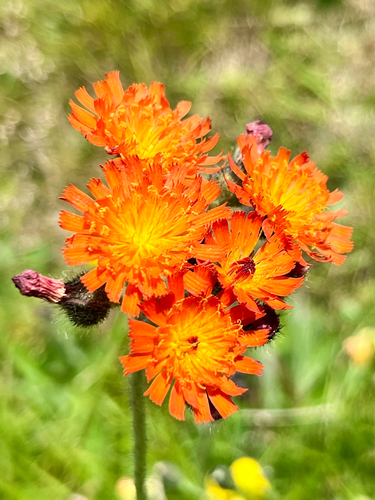
British Columbia, CA
You might spot Orange Hawkweed, Shinyleaf Meadowsweet, and Columbia Lily.
View guide →

British Columbia, CA
You might spot Vine Maple, Orange Honeysuckle, and Licorice Fern.
View guide →
Take the discovery with you
Snap it with Snappit to identify it, learn what makes it special, and add the discovery to your collection.




.jpg&width=800)








