_Panorpa_vulgaris_-_female_dorsal_view.jpg&width=800)




Meadow Scorpionfly
Panorpa vulgaris
The Meadow Scorpionfly is a unique insect with long wings and a funny tail that looks like a scorpion! They love to fly around meadows and gardens, searching for food and friends.
Habitat: Meadows
The Meadow Scorpionfly has a slender, yellowish-brown body and two pairs of clear, membranous wings often marked with dark spots. Males possess a distinctive upward-curving 'tail' with claspers that resembles a scorpion's sting, though it is completely harmless. Its long head ends in a downward-curving rostrum, giving it a unique profile.
Category
InsectsRarity
Common
Danger
1/5 · Very low
Snaps
Be the first to snap!
Males sometimes steal dead insects from spider webs to offer as impressive gifts to females!
Meadow Scorpionfly larvae live hidden underground, looking like caterpillars while helping decompose!
They are living fossils! Scorpionflies belong to an ancient insect order that lived with dinosaurs!
They have chewing mouthparts at the end of a long, downward-curving 'beak' for munching food!
Meadow Scorpionfly males have a tail that looks like a scorpion's sting, which helps them deter predators from attacking.
Meadow Scorpionflies can feed on dead insects and decaying organic matter, helping them keep ecosystems tidy.
Meadow Scorpionflies have two pairs of veined wings that help them expertly navigate through dense vegetation.
They primarily feast on dead insects and rotting fruits, but also sip on nectar from flowers.
Age differences: Larvae primarily consume decaying organic matter and dead insects within the soil, while adults are more active scavengers and foragers above ground.
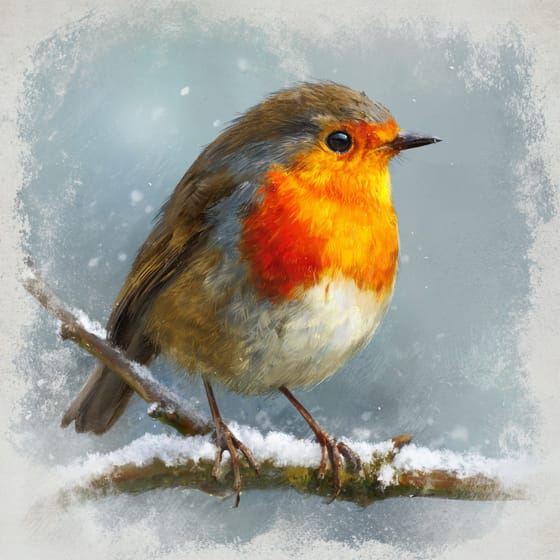
Erithacus rubecula
Robins are generalist insectivores that will prey on scorpionflies.
Araneus diadematus
Scorpionflies can get trapped in spider webs and become prey.
Musca domestica
Adult scorpionflies often scavenge on dead or dying houseflies.
Fragaria vesca
They feed on the juices of overripe wild berries, like strawberries.
Social animals live in organized groups, cooperating for survival benefits such as foraging, defense, and raising offspring.
Scavengers consume dead organic matter, helping to decompose carcasses and other waste in the ecosystem.
Colorful describes organisms or objects displaying a wide range of bright and distinct colors.
Grassland habitats are terrestrial biomes dominated by grasses and herbaceous plants, supporting a variety of grazing animals.

Describes organisms that break down dead organic material, recycling nutrients back into the ecosystem.

Diurnal animals are primarily active during daylight hours, typically resting or sleeping at night.

Describes organisms that transfer pollen, enabling the fertilization and reproduction of plants.
No aliases listed yet.
Danger
1/5 · Very low
Scorpionflies are safe to watch, but it's best to look without touching.
The easiest way to identify Meadow Scorpionfly is to use the Snappit nature identifier app.
20-30 mm
15-25 mm
15-45 days
5 km/h
They primarily feast on dead insects and rotting fruits, but also sip on nectar from flowers.
Meadows
Scavenging
Zoom in to split clusters and explore where this object has been snapped.
Recent snaps will appear here as new observations are added.
Take the discovery with you
Snap it with Snappit to identify it, learn what makes it special, and add the discovery to your collection.







.jpg&width=800)



