Mediterranean Spiny False Wolf Spider
zoropsis spinimana
The Mediterranean Spiny False Wolf Spider is a fascinating little creature that scuttles around looking for insects to eat. With its spiny body and quick movements, it's like a tiny superhero of the garden!
Habitat: Gardens, forests, and grasslands across the Mediterranean region.
The Mediterranean Spiny False Wolf Spider has a robust, brownish-grey body with a distinctive dark, violin-shaped marking on its cephalothorax. Its legs are often mottled with darker bands, covered in short, stiff hairs, and appear quite stout, unlike the thinner legs of true wolf spiders.
Category
InvertebrateRarity
Common
Danger
1/5 · Very low
Snaps
Be the first to snap!
Despite its name, it's not a true wolf spider, missing their unique eye pattern!
Females guard their egg sacs fiercely, protecting their future spiderlings!
Their bite is usually harmless to humans, feeling like a mild bee sting!
They weave a small silk retreat to hide in, rather than a hunting web!
Mediterranean Spiny False Wolf Spider can actively hunt prey on the ground because of its keen eyesight and quick, agile movements.
Mediterranean Spiny False Wolf Spider has a similar appearance to true wolf spiders that helps them confuse predators and prey.
Mediterranean Spiny False Wolf Spider can inject mild venom that helps them subdue insect prey quickly and efficiently.
These spiders are bug-eating experts, pouncing on any insects they can catch!
Gryllus bimaculatus
Actively hunts and preys on various ground-dwelling insects.
Turdus merula
Often preyed upon by insectivorous birds.
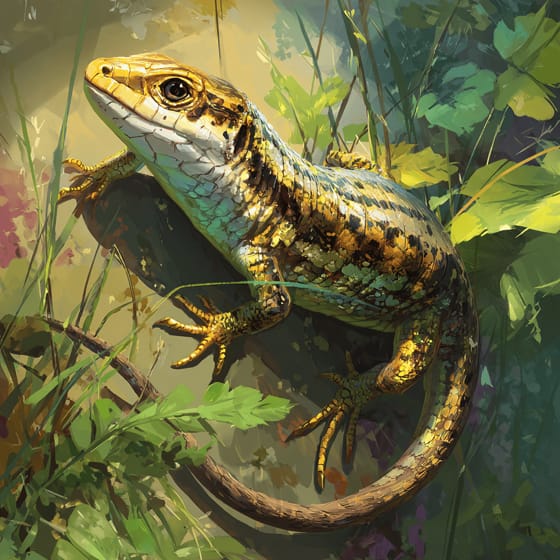
Podarcis muralis
Small lizards may consume these spiders.
Solitary animals live alone for most of their lives, only interacting with others for mating or parental care.
Burrowing animals dig tunnels and chambers in the ground, using these subterranean structures for shelter, hunting, or breeding.
Camouflaged describes organisms that possess coloring or patterns that allow them to blend into their environment.
This trait identifies organisms whose diet consists entirely or primarily of animal tissue.

Nocturnal animals are primarily active during the nighttime hours, typically resting or sleeping during the day.
Danger
1/5 · Very low
Always observe spiders from a distance.
The easiest way to identify Mediterranean Spiny False Wolf Spider is to use the Snappit nature identifier app.
1.5 cm
4 cm
1.5 years
These spiders are bug-eating experts, pouncing on any insects they can catch!
Gardens, forests, and grasslands across the Mediterranean region.
Pursuit
75
Zoom in to split clusters and explore where this object has been snapped.
Recent snaps will appear here as new observations are added.
Take the discovery with you
Snap it with Snappit to identify it, learn what makes it special, and add the discovery to your collection.