





Mexican Marigold
Tagetes erecta
Mexican Marigolds are bright, cheerful flowers that come in shades of orange and yellow. They are often used in gardens to attract butterflies and bees, making them a favorite for many gardeners.
Habitat: Gardens
The Mexican Marigold is easily recognized by its large, globe-shaped flowers, often a brilliant yellow or orange. These showy blooms can appear ruffled and boast many petals, making them stand out from smaller marigold varieties.
Category
PlantsRarity
Common
Danger
1/5 · Very low
Snaps
Be the first to snap!
Ancient Aztecs used this marigold for medicinal purposes, including skin remedies.
In Mexico, it's called 'cempasúchil' and traditionally guides spirits during Día de los Muertos!
Its vibrant petals are used to make natural dyes for food, especially poultry feed, and fabrics!
Some gardeners plant marigolds near vegetables to help deter pests naturally!
Mexican Marigold can release special chemicals from its roots that act like a shield, protecting nearby plants from harmful soil worms.
Mexican Marigold has brightly colored, nectar-rich flowers that act like a beacon, guiding bees and butterflies to help spread its pollen.
Mexican Marigold has a robust root system that helps it find water, allowing it to stay vibrant even during dry spells.
Apis mellifera
Collects nectar and pollen.
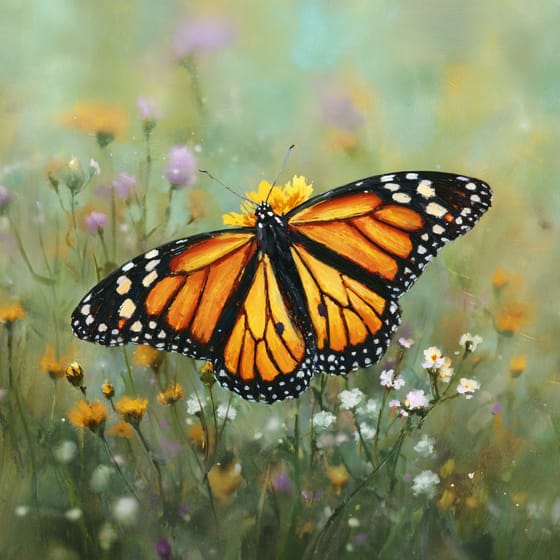
Danaus plexippus
Visits flowers for nectar.
Spodoptera exigua
Caterpillars feed on leaves.
Aromatic plants produce and emit fragrant volatile organic compounds, often for defense or to attract pollinators.
Flowering plants are any plants that produce flowers as part of their reproductive cycle.
Ornamental plants are cultivated primarily for their aesthetic appeal, enhancing landscapes and gardens with their attractive foliage, flowers, or form.
Summer blooming plants produce their flowers during the summer season, often providing vibrant color when many other plants have finished.

Fragrant flowers emit a pleasant aroma, often to attract pollinators or for defense.

Colorful describes organisms or objects displaying a wide range of bright and distinct colors.

Describes plants that are particularly attractive and beneficial to a wide range of pollinating organisms.

Rapid growing plants exhibit accelerated growth rates, quickly increasing in size and biomass within a short period.

This habitat trait indicates species that can coexist with humans in urban and suburban environments, utilizing man-made structures and green spaces.
Danger
1/5 · Very low
Always check with an adult before picking flowers.
The easiest way to identify Mexican Marigold is to use the Snappit nature identifier app.
30-100 cm
30-45 cm
5-10 cm
Summer to fall
Yes
Mild
Annual
Zoom in to split clusters and explore where this object has been snapped.
Recent snaps will appear here as new observations are added.
Take the discovery with you
Snap it with Snappit to identify it, learn what makes it special, and add the discovery to your collection.








.jpg&width=800)


_001.jpg&width=800)




