





Mezereon
Daphne mezereum
Mezereon is a lovely shrub that blooms with bright pink flowers in early spring. Its sweet-smelling flowers attract butterflies and bees, making gardens come alive with color and life.
Habitat: Woodlands
The Mezereon is a small shrub with vibrant purple-pink, star-shaped flowers that appear directly on bare, greyish-brown stems in late winter. Its glossy, bright red berries ripen in summer, standing out against its green, spear-shaped leaves.
Category
PlantsRarity
Common
Danger
3/5 · Moderate
Snaps
Be the first to snap!
Early bees depend on its nectar when other flowers are still asleep!
Even a tiny nibble of its bright red berries can be deadly!
It blooms directly on bare branches before any leaves appear!
This plant can grow in very rocky, poor soil where others struggle!
Mezereon can produce vibrant flowers on bare stems to attract early pollinators when other plants are still dormant.
Mezereon has highly poisonous berries and sap that strongly deter animals from eating its valuable seeds.
Mezereon releases a sweet scent from its small flowers, drawing in crucial early insects for pollination.
Apis mellifera
Collects nectar and pollen from early flowers.
Bombus terrestris
An early-flying bumblebee that visits its blooms.
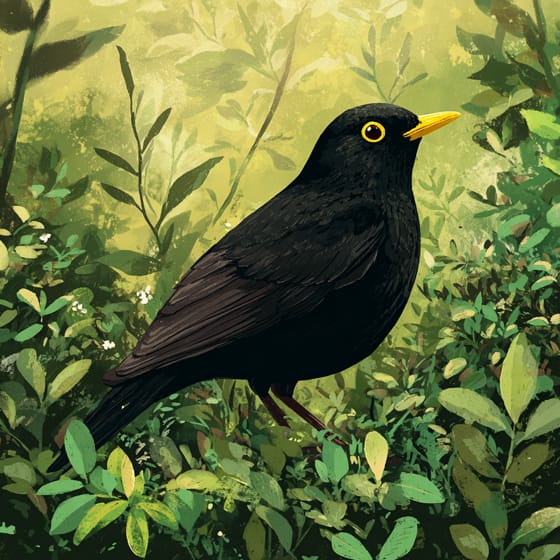
Turdus merula
Birds like blackbirds can eat the toxic berries, helping to spread seeds.
Aromatic plants produce and emit fragrant volatile organic compounds, often for defense or to attract pollinators.
Deciduous plants periodically shed all their leaves, typically during autumn or dry seasons.
Flowering plants are any plants that produce flowers as part of their reproductive cycle.
A shrub is a woody plant smaller than a tree, typically with multiple stems branching from or near the ground.

Spring blooming plants produce their flowers during the spring season, often signifying the end of winter and the start of new growth.

Fragrant flowers emit a pleasant aroma, often to attract pollinators or for defense.

Colorful describes organisms or objects displaying a wide range of bright and distinct colors.

Describes plants that are particularly attractive and beneficial to a wide range of pollinating organisms.

Forest habitats are terrestrial environments dominated by dense tree cover, supporting a high diversity of plant and animal life.
Danger
3/5 · Moderate
Do not eat any part of the Mezereon plant, as it can be harmful.
The easiest way to identify Mezereon is to use the Snappit nature identifier app.
50-150 cm
50-100 cm
1-2 cm
Late Winter to Early Spring
No
Deadly
Perennial
Zoom in to split clusters and explore where this object has been snapped.
Recent snaps will appear here as new observations are added.
Take the discovery with you
Snap it with Snappit to identify it, learn what makes it special, and add the discovery to your collection.






.jpg&width=800)


_001.jpg&width=800)




