





tropical milkweed
Asclepias curassavica
Tropical milkweed is a bright and colorful flower that attracts butterflies. Its lovely orange and yellow petals make it a favorite in gardens and parks.
Habitat: Urban areas
The tropical milkweed has upright stems, narrow green leaves, and clusters of vibrant, two-toned flowers. Its blossoms are typically bright orange with a yellow or red center, making them stand out distinctly against the foliage and attracting attention.
Category
PlantsRarity
Common
Danger
2/5 · Low
Snaps
6
It is sometimes called 'Bloodflower' for its fiery colors!
Its seeds float like tiny parachutes on the breeze!
Many butterflies, not just monarchs, love its sweet nectar!
The plant's sticky sap can irritate skin if touched!
Tropical milkweed has leaves that monarch caterpillars eat to grow, helping them store toxins to deter predators.
Tropical milkweed can ooze a milky, bitter sap when damaged, which helps it defend against hungry herbivores.
Tropical milkweed has seeds with silky tufts, allowing them to glide on the wind for wide dispersal and new growth.
Danaus plexippus
larvae feed on leaves
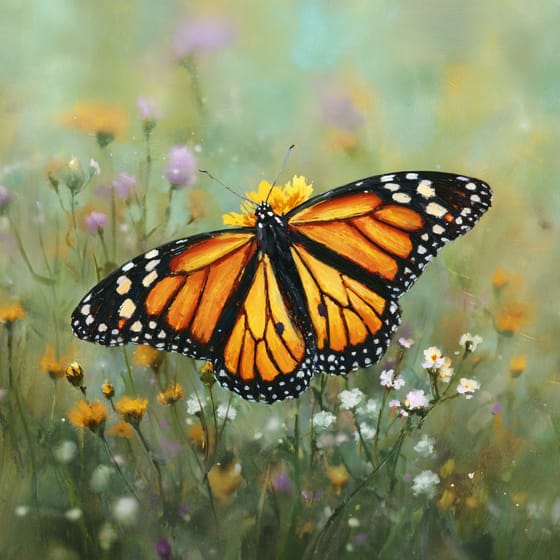
Danaus plexippus
adults visit flowers for nectar
Apis mellifera
bees collect nectar from flowers

Aphis nerii
aphids feed on plant sap
Flowering plants are any plants that produce flowers as part of their reproductive cycle.
A shrub is a woody plant smaller than a tree, typically with multiple stems branching from or near the ground.
Everblooming plants produce flowers continuously or in repeated flushes over a long period.
Fragrant flowers emit a pleasant aroma, often to attract pollinators or for defense.

Medicinal plants possess chemical compounds that can be used for therapeutic purposes to treat illnesses or maintain health.

Colorful describes organisms or objects displaying a wide range of bright and distinct colors.

Describes plants that are particularly attractive and beneficial to a wide range of pollinating organisms.

Describes a species whose presence and role have a disproportionately large effect on its environment.

This habitat trait indicates species that can coexist with humans in urban and suburban environments, utilizing man-made structures and green spaces.
Danger
2/5 · Low
While tropical milkweed is beautiful, it's best to look and not touch too much, as some parts can be milky and sticky.
The easiest way to identify tropical milkweed is to use the Snappit nature identifier app.
50-150 cm
30-90 cm
1-2 cm
Year-round in warm climates, summer-fall in temperate regions
No
Moderate
Perennial
Zoom in to split clusters and explore where this object has been snapped.

Florida, US
You might spot White Ibis, Green Iguana, and Black-Crowned Night Heron.
View guide →

Florida, US
You might spot Brown Anole, Monarch, and Eastern Lubber Grasshopper.
View guide →

California, US
You might spot Western Fence Lizard, Duck, and Black Phoebe.
View guide →

Florida, US
You might spot West Indian Manatee, River Cooter, and Golden Silk Spider.
View guide →

Louisiana, US
You might spot Northern Mockingbird and Eastern Fox Squirrel.
View guide →
Florida, US
You might spot Lantanas, Water Pennyworts, and Common Purslane.
View guide →
Take the discovery with you
Snap it with Snappit to identify it, learn what makes it special, and add the discovery to your collection.








.jpg&width=800)


_001.jpg&width=800)




