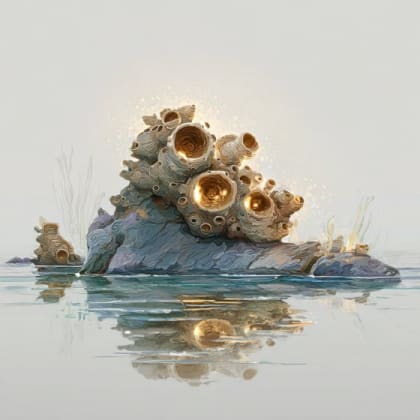
Mnemiopsis leidyi
Mnemiopsis leidyi
The Mnemiopsis leidyi, also known as the sea walnut, is a jelly-like creature that lives in the ocean. It has a beautiful, glowing body and can be found swimming in warm coastal waters.
Habitat: Coastal areas
The Mnemiopsis leidyi is a transparent, jelly-like animal with an oval body and two distinct oral lobes. It has eight rows of iridescent comb plates that shimmer with rainbow colors. Unlike true jellyfish, it lacks stinging tentacles.
Category
InvertebrateRarity
Common
Danger
2/5 · Low
Snaps
2
It doesn't have a brain or bones, just a simple jelly body!
It's called a 'comb jelly' because it uses tiny, hair-like combs to move through water!
Mnemiopsis leidyi is a super speedy eater, consuming huge amounts of tiny ocean creatures!
This amazing animal can be both a male and female at the same time!
Mnemiopsis leidyi has rows of tiny beating hairs that refract light, creating a shimmering, rainbow effect as it swims.
Mnemiopsis leidyi can produce its own light (bioluminescence) that helps them glow in the dark ocean depths.
Mnemiopsis leidyi can quickly create many offspring on its own, which helps them spread rapidly in new areas.
Mnemiopsis leidyi has wide oral lobes that act like a net to funnel tiny plankton into its mouth for food.
It gulps down tiny plankton and larvae using a wide mouth, helping clear the water.
Acartia tonsa
Consumes vast quantities of these small crustaceans from the water.
Beroe ovata
This specialized predatory comb jelly actively hunts and eats it.
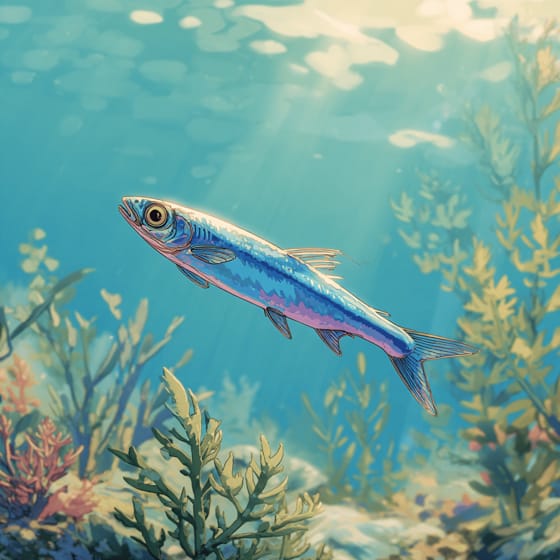
Engraulis encrasicolus
Preys on the eggs and larvae of this commercially important fish.
Social animals live in organized groups, cooperating for survival benefits such as foraging, defense, and raising offspring.
Filter feeders obtain nutrients by straining suspended food particles and small organisms from water.
Coastal habitats are dynamic environments located along the interface between land and sea, influenced by tides, waves, and saltwater.
This trait identifies organisms whose diet consists entirely or primarily of animal tissue.

Diurnal animals are primarily active during daylight hours, typically resting or sleeping at night.

Describes a species whose presence and role have a disproportionately large effect on its environment.

Aquatic habitats encompass environments where organisms live predominantly in water, including oceans, rivers, lakes, and wetlands.

Marine habitats encompass all saltwater environments of the Earth's oceans, supporting an immense diversity of aquatic life.

Pertaining to organisms that emit light through bioluminescence or fluorescence.

Invasive species are non-native organisms that cause harm to the environment, economy, or human health.
Danger
2/5 · Low
If you see one on the beach, don't touch it! They can sting.
The easiest way to identify Mnemiopsis leidyi is to use the Snappit nature identifier app.
20-100 mm
60-180 days
It gulps down tiny plankton and larvae using a wide mouth, helping clear the water.
Coastal areas
Filter Feeding
0
Zoom in to split clusters and explore where this object has been snapped.
Take the discovery with you
Snap it with Snappit to identify it, learn what makes it special, and add the discovery to your collection.