_-_geograph.org.uk_-_1369110.jpg&width=800)





mouse-eared hawkweed
Pilosella officinarum
Mouse-eared hawkweed is a cheerful little plant with bright yellow flowers that look like tiny suns! It grows close to the ground and loves to spread across fields and meadows.
Habitat: Grasslands
The mouse-eared hawkweed has a rosette of oval, fuzzy, grey-green leaves close to the ground, resembling a mouse's ear. Slender, hairy stalks rise from the rosette, topped with a single, bright yellow, dandelion-like flower head.
Category
PlantsRarity
Common
Danger
1/5 · Very low
Snaps
2
It can grow in very poor soil where many other plants struggle!
Its bright yellow flowers only open on sunny days!
The underside of its leaves often looks silvery-grey and fuzzy!
This plant can grow high up in mountains and withstand cold!
Mouse-eared hawkweed can grow stolons, sending out runners to quickly colonize new areas.
Mouse-eared hawkweed can produce seeds without pollen, making clones of itself to spread fast.
Mouse-eared hawkweed has very hairy leaves that help it save water and deter munching animals.
Mouse-eared hawkweed can release chemicals into the soil that make it harder for other plants to grow nearby.
Apis mellifera
visits flowers for nectar and pollen
Bombus terrestris
helps spread pollen between flowers
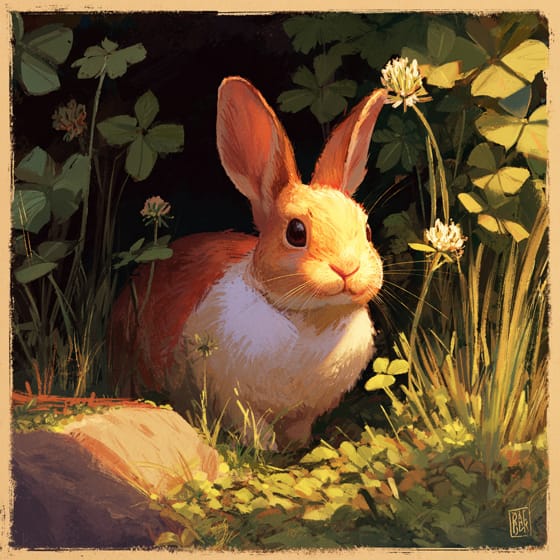
Oryctolagus cuniculus
sometimes nibbles on its leaves

Helix aspersa
may graze on its soft leaves
Flowering plants are any plants that produce flowers as part of their reproductive cycle.
Summer blooming plants produce their flowers during the summer season, often providing vibrant color when many other plants have finished.
Fragrant flowers emit a pleasant aroma, often to attract pollinators or for defense.
Edible plants are those parts of a plant that are considered safe for human consumption.

Grassland habitats are terrestrial biomes dominated by grasses and herbaceous plants, supporting a variety of grazing animals.

Describes plants that are particularly attractive and beneficial to a wide range of pollinating organisms.
No aliases listed yet.
Danger
1/5 · Very low
Always ask an adult before picking any flowers.
The easiest way to identify mouse-eared hawkweed is to use the Snappit nature identifier app.
10-40 cm
5-20 cm
1.5-2.5 cm
Late spring to late summer
No
None
Perennial
Zoom in to split clusters and explore where this object has been snapped.

Pennsylvania, US
You might spot Spotted Lanternfly, Duck, and Asian Lady Beetle.
View guide →

New York, US
You might spot Canada Goose, Mute Swan, and Atlantic Horseshoe Crab.
View guide →

Pennsylvania, US
You might spot Spotted Lanternfly, Duck, and Asian Lady Beetle.
View guide →
Take the discovery with you
Snap it with Snappit to identify it, learn what makes it special, and add the discovery to your collection.








.jpg&width=800)


_001.jpg&width=800)



