





Japanese knotweed
Reynoutria japonica
Japanese knotweed is a tall plant with big green leaves and white flowers. It grows quickly and can be found in many places, often near water. It's important to know about it because it can take over other plants!
Habitat: Urban areas
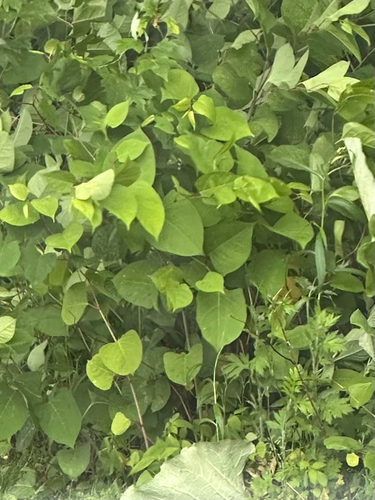
The Japanese knotweed has sturdy, hollow stems that are often reddish-purple, resembling bamboo. Its leaves are heart-shaped or spade-like, bright green, and grow alternately along the stem, making it distinct from many native plants. Small, creamy-white flowers appear in clusters.
Category
PlantsRarity
Common
Danger
2/5 · Low
Snaps
47
Its roots can break through concrete and asphalt!
Some call it the "Hulk Plant" because it's so tough to get rid of!
This plant can grow a whole foot taller in just one summer day!
Young knotweed shoots are eaten like rhubarb in Japan for tasty treats!
Japanese knotweed can grow incredibly deep and strong roots that help it break through concrete and even house foundations!
Japanese knotweed can regrow from tiny stem or root fragments, helping it quickly spread and survive almost any damage.
Japanese knotweed grows so fast and dense that it shades out other plants, helping it dominate new areas quickly.
Apis mellifera
Visits its white summer flowers.
Gallerucida bifasciata
Beetle larvae munch its leaves (native).
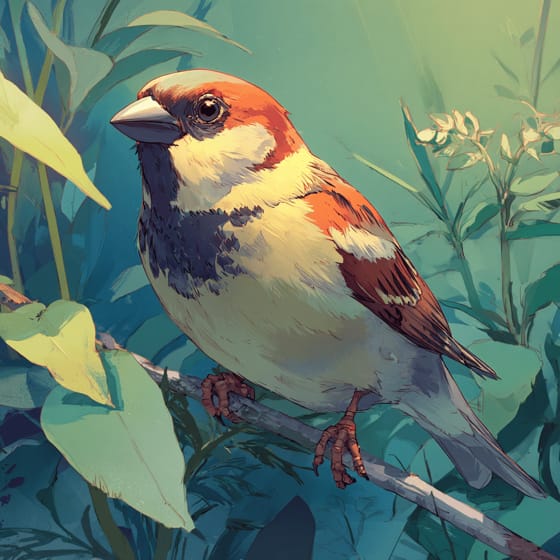
Passer domesticus
Small birds hide in dense thickets.
Deciduous plants periodically shed all their leaves, typically during autumn or dry seasons.
Flowering plants are any plants that produce flowers as part of their reproductive cycle.
Medicinal plants possess chemical compounds that can be used for therapeutic purposes to treat illnesses or maintain health.
Describes plants that are particularly attractive and beneficial to a wide range of pollinating organisms.

Rapid growing plants exhibit accelerated growth rates, quickly increasing in size and biomass within a short period.

This habitat trait indicates species that can coexist with humans in urban and suburban environments, utilizing man-made structures and green spaces.

Invasive species are non-native organisms that cause harm to the environment, economy, or human health.
No aliases listed yet.
Danger
2/5 · Low
Do not touch or eat any part of the plant without asking an adult first.
The easiest way to identify Japanese knotweed is to use the Snappit nature identifier app.
200-400 cm
100-500 cm
0.1-0.3 cm
Late_summer_early_fall
Yes
Mild
Perennial
Zoom in to split clusters and explore where this object has been snapped.
May 30, 2026
Hartford Golf Club Historic DistrictPhoto attribution
(c) Sheila S, some rights reserved (CC BY)
License: CC BY 4.0 ↗
Image may be shown cropped inside the card frame.

Tennessee, US
You might spot House Sparrow, Northern Mockingbird, and Gulf Fritillary.
View guide →
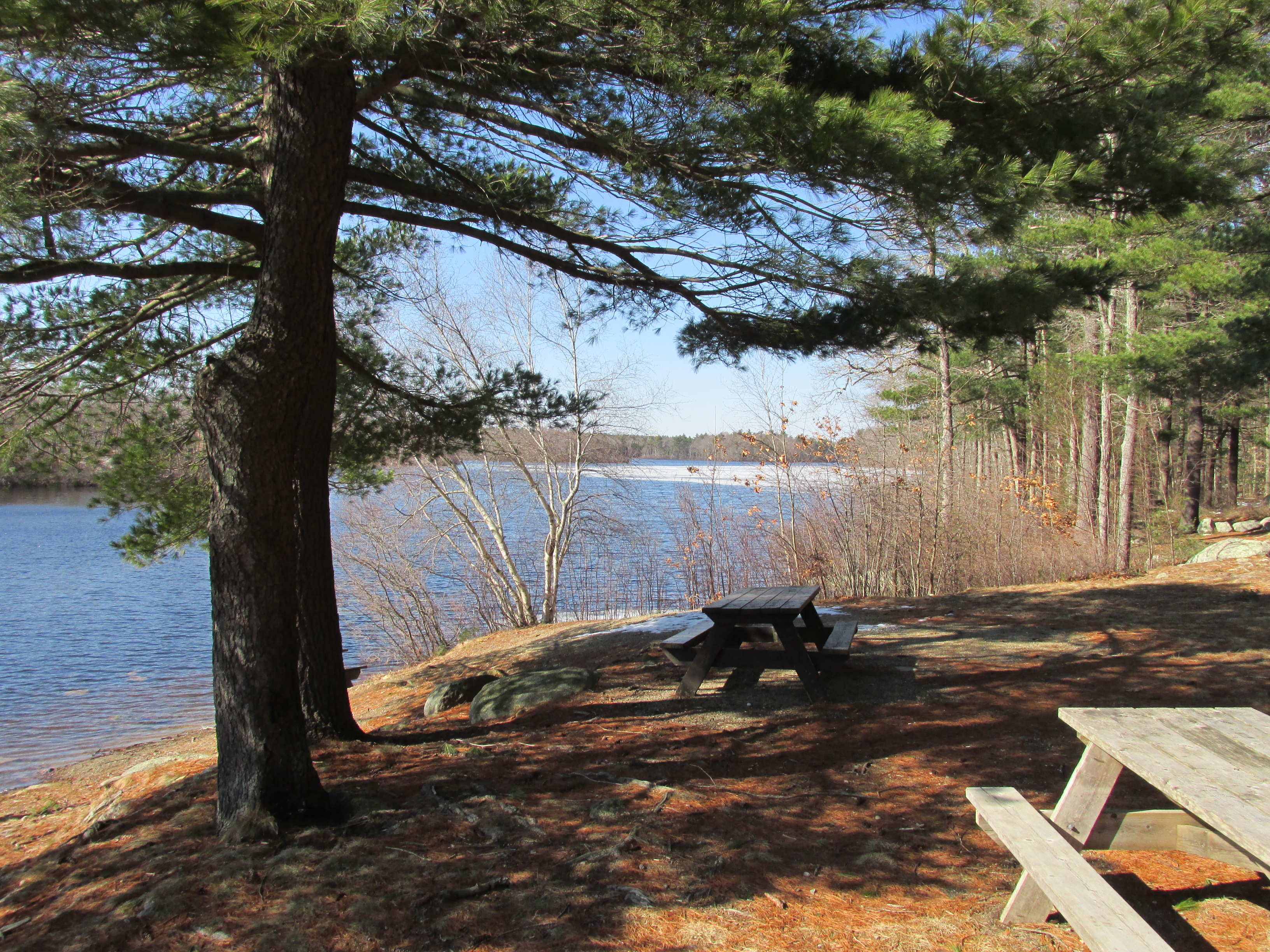
Massachusetts, US
You might spot Eastern White Pine and Common Eastern Bumble Bee.
View guide →

Michigan, US
You might spot Eastern Gray Squirrel, Tree-Of-Heaven, and House Sparrow.
View guide →

Ohio, US
You might spot Large White Trillium, Fire Pink, and Christmas Fern.
View guide →

New York, US
You might spot American Robin, Pond Slider, and Northern Cardinal.
View guide →

Maine, US
You might spot American Bullfrog and Three-Toothed Cinquefoil.
View guide →
Take the discovery with you
Snap it with Snappit to identify it, learn what makes it special, and add the discovery to your collection.







.jpg&width=800)


_001.jpg&width=800)




