





Mountain Labrador Tea
Rhododendron neoglandulosum
Mountain Labrador Tea is a special plant that grows in cool, wet places. Its leaves can be used to make a tasty tea that some people enjoy. This plant has beautiful flowers that attract butterflies and bees!
Habitat: Mountain regions
The Mountain Labrador Tea is a medium-sized, evergreen shrub with distinctive leathery leaves, dark green on top and covered in rusty-brown fuzz underneath. It produces clusters of small, bell-shaped flowers that are typically white or cream-colored, sometimes with a pinkish tint. Its unique two-toned leaves make it easily recognizable.
Category
PlantsRarity
Common
Danger
1/5 · Very low
Snaps
Be the first to snap!
Wow! Indigenous peoples traditionally brew its dried leaves for tea!
Wow! It's related to the big, colorful rhododendron flowers you see in gardens!
Wow! Its crushed leaves release a spicy, aromatic scent!
Wow! This tough plant thrives high up in cold mountain areas!
Mountain Labrador Tea has dense, rusty hairs on the underside of its leaves that help trap moisture and protect it from harsh winds and cold.
Mountain Labrador Tea keeps its tough, leathery leaves all winter, helping it survive freezing temperatures and photosynthesize when possible.
Mountain Labrador Tea produces special chemicals that make its leaves taste bad to most animals, helping it defend against being eaten.
Bombus bifarius
Visits flowers for nectar and pollen.
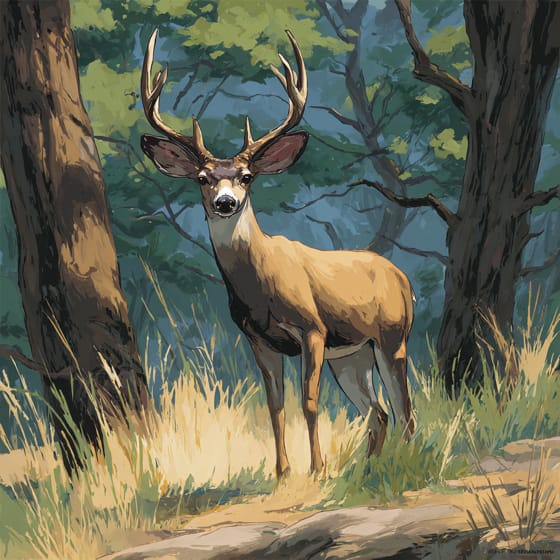
Odocoileus hemionus
May browse leaves, especially when other food is scarce.
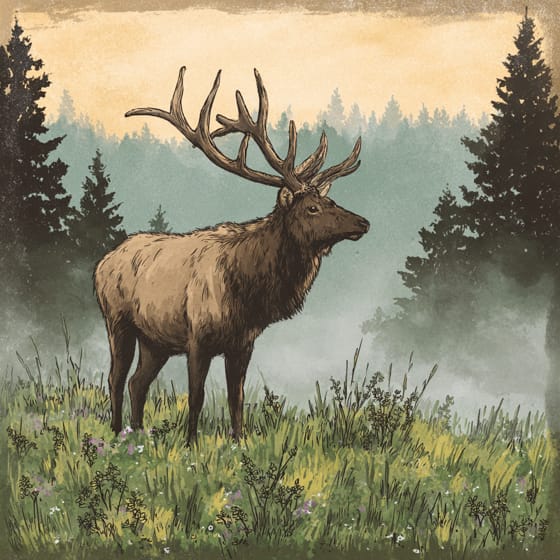
Cervus canadensis
Elk might occasionally browse its foliage.
Ursus americanus
Bears might use dense shrubs for cover.
Flowering plants are any plants that produce flowers as part of their reproductive cycle.
A shrub is a woody plant smaller than a tree, typically with multiple stems branching from or near the ground.
Evergreen plants retain their foliage throughout the year, never shedding all their leaves at once.
Fragrant flowers emit a pleasant aroma, often to attract pollinators or for defense.

Medicinal plants possess chemical compounds that can be used for therapeutic purposes to treat illnesses or maintain health.

Edible plants are those parts of a plant that are considered safe for human consumption.

Describes plants that are particularly attractive and beneficial to a wide range of pollinating organisms.

This habitat trait identifies species found in mountainous regions, characterized by high elevation, steep slopes, and varying climate zones.

Describes organisms that transfer pollen, enabling the fertilization and reproduction of plants.
No aliases listed yet.
Danger
1/5 · Very low
Always ask an adult before tasting any plant or flower.
The easiest way to identify Mountain Labrador Tea is to use the Snappit nature identifier app.
50-200 cm
50-150 cm
1-2 cm
Late_spring_to_mid_summer
No
Moderate
Perennial
Zoom in to split clusters and explore where this object has been snapped.
Recent snaps will appear here as new observations are added.
Take the discovery with you
Snap it with Snappit to identify it, learn what makes it special, and add the discovery to your collection.









.jpg&width=800)


_001.jpg&width=800)


