





Stork'S-Bills
erodium
Stork's-Bills are beautiful flowers that have delicate, pointed leaves and bright pink or purple petals. They often grow in sunny places and attract many butterflies and bees!
Habitat: Sunny meadows, gardens, and grasslands.
The Stork'S-Bills has delicate, often fern-like leaves and small, five-petaled flowers typically in shades of pink, purple, or white. Its most distinctive feature is the long, slender, beak-like fruit that resembles a stork's bill, which is different from other similar ground cover plants.
Category
PlantsRarity
Common
Danger
0/5 · No known danger
Snaps
Be the first to snap!
Its name comes from the Greek word for "heron," because the fruit looks just like a bird's beak.
Some tough Stork'S-Bills can sprout and grow even in cracks of pavement and dry, rocky soil!
The long "bill" on its fruit can actually coil and uncoil, helping to bury seeds in the ground!
These plants are actually cousins to the popular geranium flowers you might see in garden pots.
Stork'S-Bills can drill its seeds into the soil using a clever, corkscrew-like tail on its seed pod, helping them plant themselves.
Stork'S-Bills has young leaves and stems that are edible, making it a valuable food source for animals and people.
Many Stork'S-Bills can germinate and grow very quickly, helping them thrive in disturbed or open ground.
Apis mellifera
Visits flowers for nectar
Vanessa cardui
Feeds on flower nectar
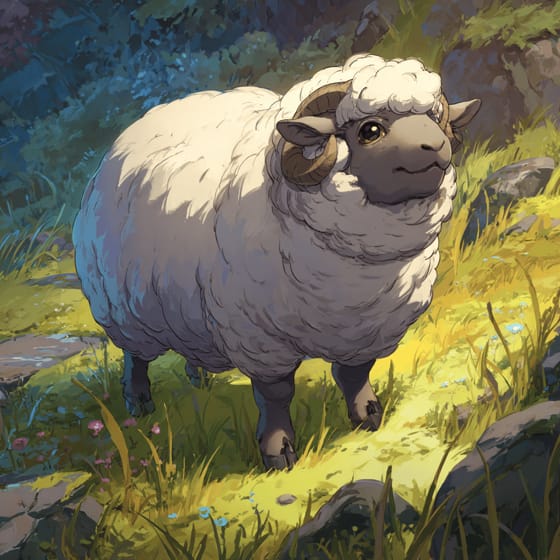
Ovis aries
Graze on foliage
Colorful describes organisms or objects displaying a wide range of bright and distinct colors.
Grassland habitats are terrestrial biomes dominated by grasses and herbaceous plants, supporting a variety of grazing animals.
This trait characterizes organisms whose diet consists entirely or primarily of plant material.
Diurnal animals are primarily active during daylight hours, typically resting or sleeping at night.

Describes organisms that transfer pollen, enabling the fertilization and reproduction of plants.
Danger
0/5 · No known danger
No special safety notes yet.
The easiest way to identify Stork'S-Bills is to use the Snappit nature identifier app.
5-50 cm
10-60 cm
0.5-2 cm
Spring to fall
Yes
None
Annual
Zoom in to split clusters and explore where this object has been snapped.
Recent snaps will appear here as new observations are added.
Take the discovery with you
Snap it with Snappit to identify it, learn what makes it special, and add the discovery to your collection.










.jpg&width=800)



_001.jpg&width=800)




