





mousebird
Coliidae
Mousebirds are small, colorful birds that love to hop around in trees. They have long tails and can often be seen hanging upside down while they eat fruits and leaves.
Habitat: Forests
The mousebird is a small, slender bird with a distinctive crest on its head and an extremely long, stiff tail, often making up half its total length. They have soft, dull grey-brown plumage, sometimes with a touch of olive, blending seamlessly into their arboreal habitats. Their appearance, combined with their scuttling movements, gives them their mouse-like name.
Category
BirdsRarity
Common
Danger
1/5 · Very low
Snaps
Be the first to snap!
Mousebirds are rare birds that regurgitate food to feed other adults!
They often eat in a head-down position, which is unusual for birds!
They use strong claws to hold onto fruit like tiny hands while feeding.
Young mousebirds leave the nest early but are still fed by their diligent parents!
Mousebirds can rotate their outer toes forward and backward that helps them cling to branches in any direction.
Mousebirds have an incredibly long, stiff tail that helps them balance perfectly while climbing, even upside down.
Mousebirds can enter a temporary torpor state that helps them save energy on cold nights or when food is scarce.
They are fruit and plant-eaters, feasting on berries, leaves, and flowers in Africa.
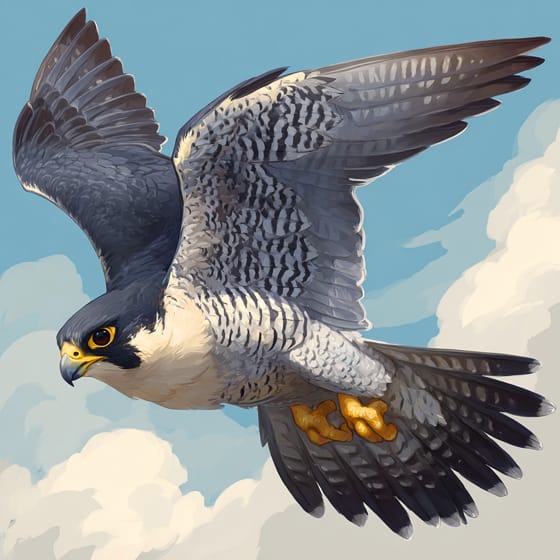
Falco peregrinus
Swift predator of small birds, including mousebirds.
Bubo africanus
Nocturnal owl that preys on many small animals and birds.
Ficus sycomorus
Mousebirds eagerly feast on the abundant fruit of this fig tree.
Acacia karroo
Mousebirds consume the buds, flowers, and pods of this common tree.
Diospyros mespiliformis
Mousebirds enjoy the sweet fruits of the Jackalberry tree.
Feathered describes animals, primarily birds, possessing a covering of feathers.
Social animals live in organized groups, cooperating for survival benefits such as foraging, defense, and raising offspring.
Arboreal animals live primarily in trees, utilizing them for shelter, food, and protection from predators.
Colorful describes organisms or objects displaying a wide range of bright and distinct colors.

This trait characterizes organisms whose diet consists entirely or primarily of plant material.

Forest habitats are terrestrial environments dominated by dense tree cover, supporting a high diversity of plant and animal life.

Diurnal animals are primarily active during daylight hours, typically resting or sleeping at night.

Describes organisms that transfer pollen, enabling the fertilization and reproduction of plants.
No aliases listed yet.
Danger
1/5 · Very low
Always watch birds from a distance and don't try to touch them.
The easiest way to identify mousebird is to use the Snappit nature identifier app.
29-38 cm
20-25 cm
0.03-0.07 kg
5-10 years
40 km/h
They are fruit and plant-eaters, feasting on berries, leaves, and flowers in Africa.
Forests
Zoom in to split clusters and explore where this object has been snapped.
Recent snaps will appear here as new observations are added.
Take the discovery with you
Snap it with Snappit to identify it, learn what makes it special, and add the discovery to your collection.




.jpg&width=800)






