





Narrowleaf Yellowtops
Flaveria linearis
Narrowleaf Yellowtops are bright yellow flowers that bloom in the summer. They have long, narrow leaves and grow in sunny places, making them easy to spot in fields and gardens.
Habitat: Fields and gardens
The Narrowleaf Yellowtops has numerous small, bright yellow flower heads clustered at the tips of its stems. Its distinctive narrow, linear leaves are a vibrant green, setting it apart from broader-leaved wildflowers.
Category
PlantsRarity
Common
Danger
1/5 · Very low
Snaps
Be the first to snap!
Each tiny flower head is actually a group of many even tinier flowers working together!
It can sometimes be called a "weed" because it's so good at growing anywhere!
Its scientific name, Flaveria, means "yellow" because of its bright, sunny flowers!
This plant loves the sun so much it grows best in very bright, open places.
Narrowleaf Yellowtops can bloom for many months, making new flowers even when other plants fade, helping it reproduce often.
Narrowleaf Yellowtops has strong roots that help it thrive in dry, sandy soils where many other plants struggle to find water.
Narrowleaf Yellowtops uses its bright yellow flowers to attract many different insects, ensuring its seeds are made.
Apis mellifera
collects nectar and pollen
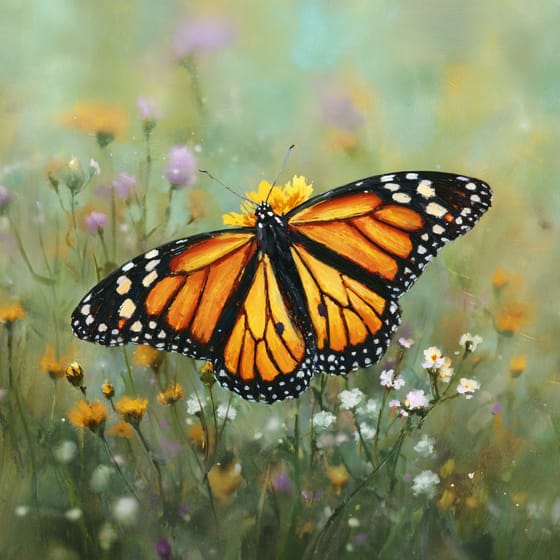
Danaus plexippus
sips sweet nectar from flowers
Bombus impatiens
gathers pollen and nectar
Flowering plants are any plants that produce flowers as part of their reproductive cycle.
Summer blooming plants produce their flowers during the summer season, often providing vibrant color when many other plants have finished.
Drought-tolerant plants can survive and flourish in conditions with limited water availability.
Colorful describes organisms or objects displaying a wide range of bright and distinct colors.

Grassland habitats are terrestrial biomes dominated by grasses and herbaceous plants, supporting a variety of grazing animals.

Describes plants that are particularly attractive and beneficial to a wide range of pollinating organisms.

This habitat trait indicates species that can coexist with humans in urban and suburban environments, utilizing man-made structures and green spaces.
No aliases listed yet.
Danger
1/5 · Very low
Always look but don't pick flowers unless an adult says it's okay.
The easiest way to identify Narrowleaf Yellowtops is to use the Snappit nature identifier app.
30-60 cm
15-45 cm
1-2 cm
Summer
No
None
Perennial
Zoom in to split clusters and explore where this object has been snapped.
Recent snaps will appear here as new observations are added.
Take the discovery with you
Snap it with Snappit to identify it, learn what makes it special, and add the discovery to your collection.








.jpg&width=800)



_001.jpg&width=800)




