





Nemapogon
Nemapogon
Nemapogon is a tiny moth that loves to hide in leaves and flowers. They are very small and can be found fluttering around gardens and fields.
Habitat: Gardens and fields
The Nemapogon is a tiny moth, usually mottled with shades of grey, brown, and cream, helping it blend into its environment. Its small, narrow wings often have scattered dark spots or speckles, and some species feature small tufts of raised scales on their forewings, giving them a slightly rough texture.
Category
InsectsRarity
Common
Danger
1/5 · Very low
Snaps
Be the first to snap!
Adult Nemapogon moths might not eat anything at all during their short lives!
Nemapogon larvae spend their whole lives inside dead wood or mushrooms!
These tiny moths are often found in dark, damp places like forest floors and caves.
They help recycle nutrients by breaking down old fungi and decaying trees.
Nemapogon larvae can digest tough fungi and decaying wood because of specialized enzymes, which helps them access nutrients others cannot.
Nemapogon larvae build protective silk cases that they carry around, helping them stay safe from predators while they feed.
Nemapogon moths have adaptations for excellent low-light vision, helping them find food and mates in the dark of night.
Nemapogon larvae are nature's tiny recyclers, munching on fungi and dead wood!
Age differences: Larvae consume solid fungal and woody material, while adults may not feed or only take liquids like dew.
Trametes versicolor
Larvae tunnel and feed within this common bracket fungus.
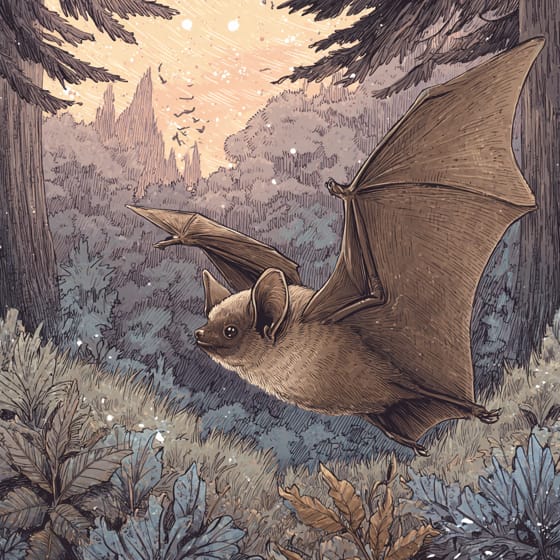
Myotis lucifugus
Nocturnal bats hunt these moths as they fly at night.
%2C_Parc_de_Woluw%C3%A9%2C_Brussels_(13042792905).jpg&width=800)
Parus major
Birds forage for moths on bark and leaves during the day.
Solitary animals live alone for most of their lives, only interacting with others for mating or parental care.
Camouflaged describes organisms that possess coloring or patterns that allow them to blend into their environment.
This trait characterizes organisms whose diet consists entirely or primarily of plant material.
Pertaining to species that are significantly smaller than typical or average for their kind.

Nocturnal animals are primarily active during the nighttime hours, typically resting or sleeping during the day.

Describes organisms that transfer pollen, enabling the fertilization and reproduction of plants.
No aliases listed yet.
Danger
1/5 · Very low
Always look but don't touch insects, as some can be delicate.
The easiest way to identify Nemapogon is to use the Snappit nature identifier app.
8-15 mm
4-8 mm
7-14 days
Nemapogon larvae are nature's tiny recyclers, munching on fungi and dead wood!
Gardens and fields
Foraging
6
Zoom in to split clusters and explore where this object has been snapped.
Recent snaps will appear here as new observations are added.
Take the discovery with you
Snap it with Snappit to identify it, learn what makes it special, and add the discovery to your collection.









.jpg&width=800)




