.jpg&width=800)





Nettle-leaved Bellflower
Campanula trachelium
The Nettle-leaved Bellflower is a pretty flower with bell-shaped blooms. It grows in gardens and meadows, adding a splash of blue to the landscape!
Habitat: Grasslands
The Nettle-leaved Bellflower has deep blue to violet, bell-shaped flowers that often hang downwards or sideways. Its distinctive leaves are heart-shaped at the base and sharply toothed, resembling stinging nettles but without the sting. The stem is typically hairy.
Category
PlantsRarity
Common
Danger
1/5 · Very low
Snaps
Be the first to snap!
Historically, some believed its roots could be used to soothe sore throats!
Its quirky nickname, "Bats-in-the-belfry," describes its nodding, dark flowers!
The plant's flowers turn downward to shield precious pollen from rain!
This adaptable plant thrives in shady spots where many other flowers struggle!
Nettle-leaved Bellflower has vibrant, bell-shaped flowers with nectar guides that attract bees, ensuring successful pollination.
Nettle-leaved Bellflower can spread through rhizomes, helping it colonize new areas and find fresh nutrients in woodlands.
Nettle-leaved Bellflower has stiff, hairy stems that help it stand firm against wind and grazing in its natural habitat.
Apis mellifera
collects nectar and pollen from its flowers.
Bombus terrestris
visits for nectar and assists in reproduction.

Arion ater
grazes on its leaves and tender parts.
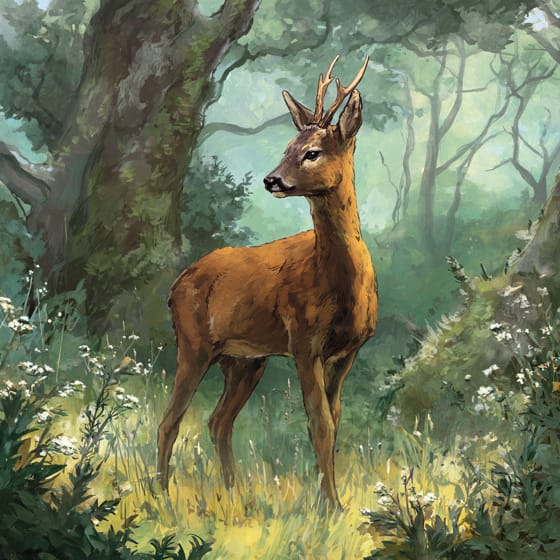
Capreolus capreolus
browses on its foliage in woodland areas.
Bell-shaped flowers possess petals fused or arranged to form a cup-like or campanulate structure resembling a bell.
Flowering plants are any plants that produce flowers as part of their reproductive cycle.
Summer blooming plants produce their flowers during the summer season, often providing vibrant color when many other plants have finished.
Fragrant flowers emit a pleasant aroma, often to attract pollinators or for defense.

Grassland habitats are terrestrial biomes dominated by grasses and herbaceous plants, supporting a variety of grazing animals.

Describes plants that are particularly attractive and beneficial to a wide range of pollinating organisms.
No aliases listed yet.
Danger
1/5 · Very low
Always check with an adult before picking flowers.
The easiest way to identify Nettle-leaved Bellflower is to use the Snappit nature identifier app.
30-80 cm
30-60 cm
2-3 cm
Summer
Yes
None
Perennial
Zoom in to split clusters and explore where this object has been snapped.
Recent snaps will appear here as new observations are added.
Take the discovery with you
Snap it with Snappit to identify it, learn what makes it special, and add the discovery to your collection.








.jpg&width=800)


_001.jpg&width=800)




