





Heartleaf Twayblade
Neottia cordata
The Heartleaf Twayblade is a small, lovely plant with heart-shaped leaves. It grows quietly in the shade of forests and has pretty flowers that look like tiny bells.
Habitat: Forests
The Heartleaf Twayblade is a small, slender orchid with two heart-shaped leaves low on its stem, typically a dull green or yellowish-green. Its delicate stalk bears tiny, greenish-brown to purplish flowers that are easily overlooked, often resembling miniature insects.
Category
PlantsRarity
Common
Danger
1/5 · Very low
Snaps
1
Heartleaf Twayblade can live for many years, quietly hidden on the forest floor.
Its name 'twayblade' refers to its two prominent leaves, a unique trait!
Some say its miniature flowers look like tiny little people with outstretched arms!
This tiny orchid doesn't need much sunlight, thriving in deep, shady forests.
Heartleaf Twayblade has a special connection with fungi that helps it gather nutrients from the soil, even in dim light.
Heartleaf Twayblade's dull colors and small stature help it blend perfectly with the forest floor, hiding from hungry creatures.
Heartleaf Twayblade attracts minute insects like gnats with its small, unassuming flowers to help it reproduce.

Arion ater
Slugs sometimes munch on its tender leaves.
Mycetophila fungorum
This tiny gnat helps transfer pollen between flowers.
Tulasnella calospora
This fungus shares nutrients with the orchid, helping it grow.
Bell-shaped flowers possess petals fused or arranged to form a cup-like or campanulate structure resembling a bell.
Flowering plants are any plants that produce flowers as part of their reproductive cycle.
Shade tolerant plants are adapted to grow and thrive in areas with low light levels, requiring less direct sunlight.
Medicinal plants possess chemical compounds that can be used for therapeutic purposes to treat illnesses or maintain health.

Describes plants that are particularly attractive and beneficial to a wide range of pollinating organisms.

Forest habitats are terrestrial environments dominated by dense tree cover, supporting a high diversity of plant and animal life.

Pertaining to species that are significantly smaller than typical or average for their kind.

Threatened status denotes a species likely to become endangered in the foreseeable future without effective conservation interventions.
No aliases listed yet.
Danger
1/5 · Very low
Do not touch or pick wild plants without asking an adult.
The easiest way to identify Heartleaf Twayblade is to use the Snappit nature identifier app.
5-20 cm
0.2-0.5 cm
Late spring to mid-summer
No
None
Perennial
Insect
Zoom in to split clusters and explore where this object has been snapped.

Montana, US
You might spot Moose, Common Beargrass, and Thimbleberry.
View guide →
British Columbia, CA
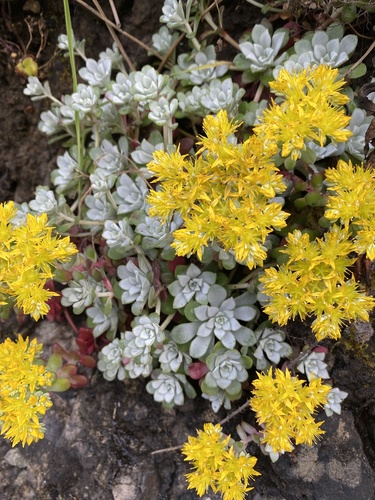
You might spot Broad-Leaved Stonecrop and Western Rattlesnake Plantain.
View guide →
Take the discovery with you
Snap it with Snappit to identify it, learn what makes it special, and add the discovery to your collection.







.jpg&width=800)



_001.jpg&width=800)



