





New Jersey Chorus Frog
Pseudacris kalmi
The New Jersey Chorus Frog is a small, lively frog known for its beautiful singing. It loves to hop around in wet areas and is often found near ponds and marshes.
Habitat: Wetlands
The New Jersey Chorus Frog is a tiny, slender amphibian, typically tan to brown or gray, with three dark stripes running down its back. It often has a distinct dark triangle between its eyes and a white upper lip, helping it blend in.
Category
AmphibiansRarity
Common
Danger
1/5 · Very low
Snaps
Be the first to snap!
Male New Jersey Chorus Frogs have a giant vocal sac that inflates bigger than their head!
Their unique call sounds exactly like running a finger across a comb's teeth!
These tiny frogs can leap more than 20 times their own body length in a single jump!
They often breed in puddles that will dry up, so their tadpoles must grow super fast!
New Jersey Chorus Frog can sing a loud, distinctive 'cree-ee-eek' call that attracts mates from far away.
New Jersey Chorus Frog has special skin cells that allow it to change color quickly to blend perfectly with its background.
New Jersey Chorus Frog lays its eggs in temporary pools, which helps its babies avoid fish that eat eggs.
These tiny hunters gobble up small insects and other invertebrates found in their damp habitats.
Age differences: Tadpoles are herbivores, grazing on algae and detritus in the water.
Thamnophis sirtalis
Slithery snakes hunt frogs for a quick meal in wet areas.
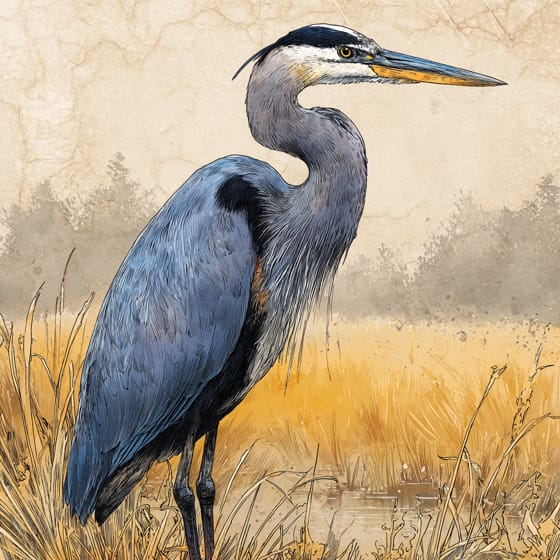
Ardea herodias
Tall wading birds patiently stalk and snap up frogs.
Culex pipiens
Adult frogs help control mosquito populations by eating them.
Social animals live in organized groups, cooperating for survival benefits such as foraging, defense, and raising offspring.
Singing animals produce complex vocalizations, often for purposes of attracting mates, defending territory, or communicating within their species.
Camouflaged describes organisms that possess coloring or patterns that allow them to blend into their environment.
Colorful describes organisms or objects displaying a wide range of bright and distinct colors.

This trait identifies organisms whose diet primarily consists of insects and other small invertebrates.

This habitat trait identifies species found in wetlands, which are areas of land saturated with water, either permanently or seasonally, including marshes, swamps, and bogs.

Diurnal animals are primarily active during daylight hours, typically resting or sleeping at night.

Aquatic habitats encompass environments where organisms live predominantly in water, including oceans, rivers, lakes, and wetlands.

Endangered status indicates a species is at a very high risk of extinction in the wild in the near future.
No aliases listed yet.
Danger
1/5 · Very low
Always watch frogs from a distance and don't touch them, as they can be delicate.
The easiest way to identify New Jersey Chorus Frog is to use the Snappit nature identifier app.
2-3.2 cm
0.002-0.005 kg
2-5 years
1 km/h
These tiny hunters gobble up small insects and other invertebrates found in their damp habitats.
Wetlands
Ambush
Zoom in to split clusters and explore where this object has been snapped.
Recent snaps will appear here as new observations are added.
Take the discovery with you
Snap it with Snappit to identify it, learn what makes it special, and add the discovery to your collection.







.JPG&width=800)


.jpg&width=800)

