





Nomad Bees
Nomada
Nomad bees are small, fuzzy insects that love to visit flowers. They help plants grow by spreading pollen while they collect food for their babies.
Habitat: Grasslands
The Nomad Bee has a slender, often wasp-like body, with sparse hair compared to typical bees. Their striking coloration frequently includes patterns of bright red, yellow, orange, and black bands. They lack the specialized pollen-collecting hairs found on many other bee species.
Category
InsectsRarity
Common
Danger
1/5 · Very low
Snaps
Be the first to snap!
Many Nomad Bees wear striking red, yellow, and black like tiny wasps!
Their sneaky larvae eat the food collected for other bee babies!
They often locate their host's underground nests by smell alone!
Unlike most bees, Nomad Bees don't gather pollen for their own young.
Nomad Bees can locate the hidden, underground nests of other solitary bees, often by scent, to lay their own eggs.
Nomad Bees can quickly and discreetly lay their eggs inside a host bee's nest without being detected by the owner.
Some Nomad Bees have wasp-like markings that help them blend in or deter predators and host bees.
Adult Nomad Bees sip sweet flower nectar for energy, but their young enjoy food collected by other bees!
Age differences: Larvae consume pollen and nectar provisions collected by host bees; adults forage for nectar.
Andrena haemorrhoa
Nomad Bees lay eggs in this bee's nest to steal food.
Lasioglossum calceatum
Their larvae develop by consuming resources intended for this bee's young.
Eucera longicornis
Some Nomad species target the nests of these distinctive long-horned bees.
Furry describes animals possessing a dense covering of soft hair or fur.
Solitary animals live alone for most of their lives, only interacting with others for mating or parental care.
Grassland habitats are terrestrial biomes dominated by grasses and herbaceous plants, supporting a variety of grazing animals.
This trait characterizes organisms whose diet consists entirely or primarily of plant material.

Describes plants that are particularly attractive and beneficial to a wide range of pollinating organisms.

Diurnal animals are primarily active during daylight hours, typically resting or sleeping at night.

Describes organisms that transfer pollen, enabling the fertilization and reproduction of plants.
No aliases listed yet.
Danger
1/5 · Very low
Don't bother bees while they are working; just watch them from a distance.
The easiest way to identify Nomad Bees is to use the Snappit nature identifier app.
10-30 mm
5-15 mm
20-40 days
20 km/h
Adult Nomad Bees sip sweet flower nectar for energy, but their young enjoy food collected by other bees!
Grasslands
Foraging
Zoom in to split clusters and explore where this object has been snapped.
Recent snaps will appear here as new observations are added.

Washington, US
You might spot Snowy Owl, Bee, and American Crow.
View guide →

Louisiana, US
You might spot Sharp-Lobed Hepatica and Purple-Flowered Raspberry.
View guide →

British Columbia, CA
You might spot Oregon Grape, Common Snowberry, and Black Locust.
View guide →

British Columbia, CA
You might spot Douglas Fir, Oregon Oak, and Purple Foxglove.
View guide →
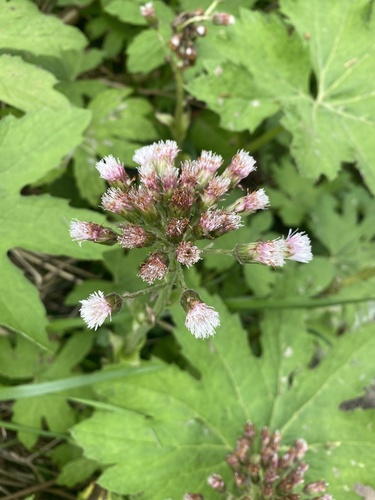
Washington, US
You might spot Arctic Butterbur, Red Valerian, and American Brooklime.
View guide →
Take the discovery with you
Snap it with Snappit to identify it, learn what makes it special, and add the discovery to your collection.





.jpg&width=800)




