




Platycerus caraboides
Platycerus caraboides
The Platycerus caraboides is a shiny, colorful beetle that loves to hide in the woods. It has a flat body and can often be found on trees or near plants.
Habitat: Forests
The Platycerus caraboides is a relatively small beetle, often displaying a beautiful iridescent green, blue, or bronze sheen. It has a somewhat flattened body and noticeable, though not overly large, mandibles, especially on males, which help distinguish it.
Category
InsectsRarity
Common
Danger
1/5 · Very low
Snaps
Be the first to snap!
Despite its small size, it's a true member of the impressive stag beetle family!
Its larval stage can last up to three years, mostly hidden inside rotting wood!
Male beetles have slightly larger jaws, or mandibles, than the females!
This beetle can fly well, but it often prefers to crawl around on logs and leaves!
Platycerus caraboides larvae can chew and digest decaying wood because of specialized mouthparts that help them obtain nutrients from tough material.
Platycerus caraboides has an iridescent exoskeleton that helps them blend into their forest habitat by reflecting various light colors.
Platycerus caraboides has a hard chitinous shell that protects them from predators and environmental damage, acting as a sturdy shield.
Larvae munch on decaying wood, while adults might sip on tree sap or not feed much at all.
Age differences: Larvae eat decaying wood, while adults may feed on sap or not at all before reproduction.
Quercus robur
larvae feed on its decaying wood
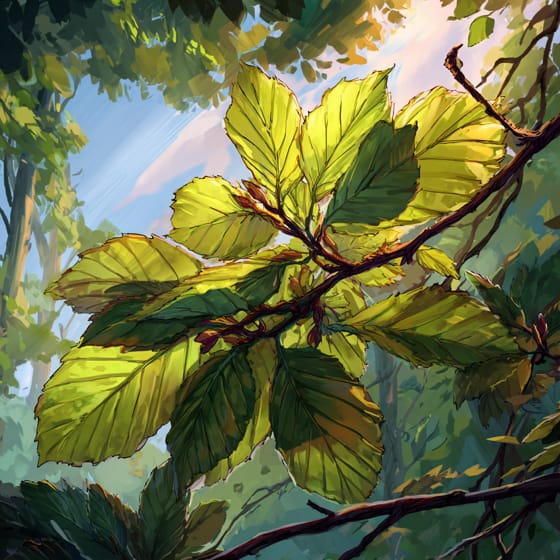
Fagus sylvatica
larvae also develop in its dead wood
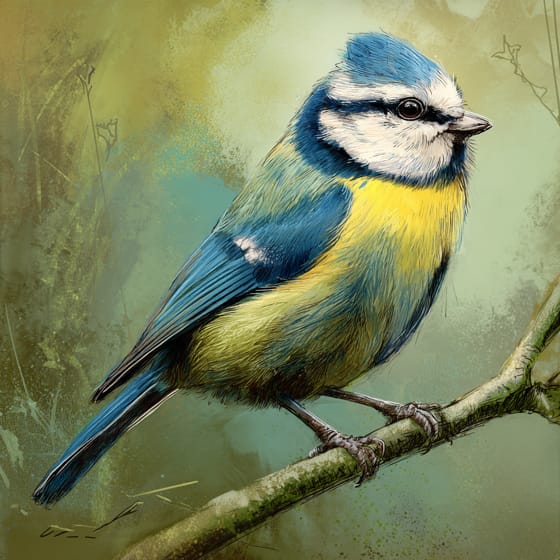
Cyanistes caeruleus
adult beetles can be prey for birds

Myodes glareolus
small mammals might consume adults
Solitary animals live alone for most of their lives, only interacting with others for mating or parental care.
Scavengers consume dead organic matter, helping to decompose carcasses and other waste in the ecosystem.
Colorful describes organisms or objects displaying a wide range of bright and distinct colors.
Describes organisms that break down dead organic material, recycling nutrients back into the ecosystem.

Forest habitats are terrestrial environments dominated by dense tree cover, supporting a high diversity of plant and animal life.

Diurnal animals are primarily active during daylight hours, typically resting or sleeping at night.
No aliases listed yet.
Danger
1/5 · Very low
Be gentle and watch where you step to protect little beetles like this one.
The easiest way to identify Platycerus caraboides is to use the Snappit nature identifier app.
10-16 mm
30-60 days
Larvae munch on decaying wood, while adults might sip on tree sap or not feed much at all.
Forests
Foraging
6
Zoom in to split clusters and explore where this object has been snapped.
Recent snaps will appear here as new observations are added.
Take the discovery with you
Snap it with Snappit to identify it, learn what makes it special, and add the discovery to your collection.








.jpg&width=800)


