





Broad-Winged Skipper
poanes viator
The Broad-Winged Skipper is a small, colorful butterfly that flits around in sunny meadows. Kids will love spotting these butterflies as they dance from flower to flower!
Habitat: Fields, gardens, and meadows near water sources.
The Broad-Winged Skipper has broad, rounded wings, usually dark brown with an orange flush on the hindwings. Its forewings feature distinct yellow or orange spots and a prominent patch, while the underside often shows a duller yellow stripe.
Category
InsectsRarity
Common
Danger
0/5 · No known danger
Snaps
5
Baby skippers, called larvae, build tiny leaf tents to stay safe inside. Wow!
Did you know skippers have antennae with little hooks at the end? Wow!
They get their name from their broad wings and speedy, skipping flight! Wow!
Unlike many butterflies, they usually hold their hindwings flat when resting. Wow!
Broad-Winged Skipper can dart through the air with quick, erratic movements because of its powerful wing muscles that help them escape predators.
Broad-Winged Skipper has a long, straw-like proboscis that helps them reach sweet nectar deep inside tubular flowers.
Broad-Winged Skipper larvae can munch on tough sedge leaves because their bodies are adapted to digest these specific wetland plants.
Broad-Winged Skipper caterpillars can roll and tie sedge leaves together to create a secure, hidden shelter from predators.
Adult skippers sip flower nectar, while their young munch on leaves of wetland plants.
Age differences: Larvae eat plant leaves, while adults feed solely on flower nectar.
Carex stricta
Larvae eat its leaves for growth and shelter.

Asclepias syriaca
Adults drink nectar, helping to spread its pollen.

Monarda fistulosa
Another source of nectar for adult skippers.
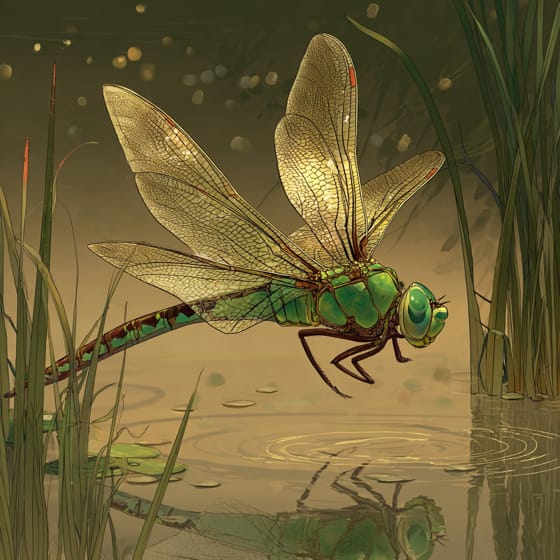
Anax junius
Fast-flying dragonflies prey on adult skippers.
Social animals live in organized groups, cooperating for survival benefits such as foraging, defense, and raising offspring.
Colorful describes organisms or objects displaying a wide range of bright and distinct colors.
Grassland habitats are terrestrial biomes dominated by grasses and herbaceous plants, supporting a variety of grazing animals.
Diurnal animals are primarily active during daylight hours, typically resting or sleeping at night.

Describes organisms that transfer pollen, enabling the fertilization and reproduction of plants.
Danger
0/5 · No known danger
No special safety notes yet.
The easiest way to identify Broad-Winged Skipper is to use the Snappit nature identifier app.
35-50 mm
20-30 mm
7-14 days
Adult skippers sip flower nectar, while their young munch on leaves of wetland plants.
Fields, gardens, and meadows near water sources.
Foraging
6
Zoom in to split clusters and explore where this object has been snapped.

US
You might spot Wharf Louse, Osprey, and Ruddy Turnstone.
View guide →

New Hampshire, US
You might spot Common Eider and American Herring Gull.
View guide →

South Carolina, US
You might spot American Alligator and Rare Skipper.
View guide →

Georgia, US
You might spot Spanish Moss, Gulf Fritillary, and Long-Tailed Skipper.
View guide →

Maryland, US
You might spot Bufflehead, Common Goldeneye, and Duck.
View guide →
Take the discovery with you
Snap it with Snappit to identify it, learn what makes it special, and add the discovery to your collection.







.jpg&width=800)



