





Holarctic Alderflies
Sialis
Holarctic Alderflies are fascinating insects that love to live near water. They have long wings and are often seen flying around ponds and streams, where they lay their eggs.
Habitat: Wetlands
The Holarctic Alderflies has a robust, dark brown to black body and large, smoky-grey wings with many visible veins, resembling fine lace. Its head is broad with short, segmented antennae, distinguishing it from longer-antennaed caddisflies.
Category
InsectsRarity
Common
Danger
1/5 · Very low
Snaps
5
Adult alderflies almost never eat; they live off stored energy from their youth!
Larval alderflies can live in ponds or rivers for up to two years before transforming!
Their transparent wings, though beautiful, are not meant for long-distance travel!
When disturbed, larval alderflies wiggle rapidly to escape danger in the water!
Holarctic Alderflies larvae can breathe underwater using special abdominal gill filaments that help them thrive in aquatic environments.
Holarctic Alderflies adults live only a few days, dedicating their short time entirely to reproduction and laying eggs.
Holarctic Alderflies larvae have strong jaws and often hide in streambeds, ambushing small aquatic invertebrates that swim by.
Alderfly larvae are fierce underwater predators, while adults usually don't eat much at all!
Age differences: Larvae are active predators, but adults typically consume only water or do not feed, focusing on reproduction.
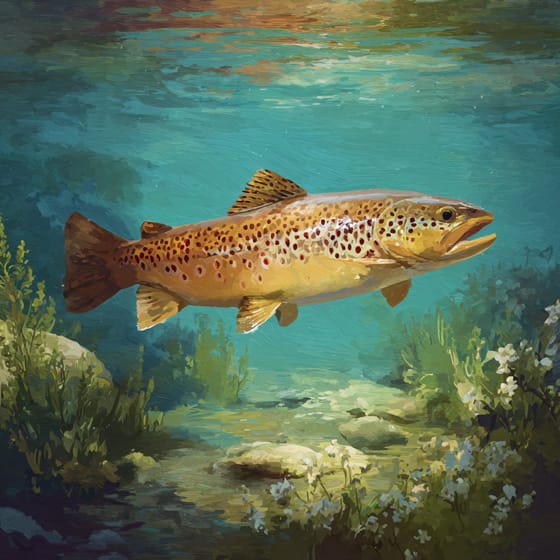
Salmo trutta
Larval alderflies are a vital food source for many fish species.
Motacilla alba
Adult alderflies are prey for various insectivorous birds near water.
Chironomus plumosus
Alderfly larvae actively prey on smaller midge larvae in freshwater.
Gammarus pulex
Alderfly larvae consume various small aquatic invertebrates like scuds.
Solitary animals live alone for most of their lives, only interacting with others for mating or parental care.
This trait identifies organisms whose diet includes both plant and animal matter.
Colorful describes organisms or objects displaying a wide range of bright and distinct colors.
This habitat trait identifies species found in wetlands, which are areas of land saturated with water, either permanently or seasonally, including marshes, swamps, and bogs.

Diurnal animals are primarily active during daylight hours, typically resting or sleeping at night.

Freshwater habitats include non-saline aquatic environments such as rivers, lakes, ponds, and wetlands, vital for numerous species.

Describes organisms that transfer pollen, enabling the fertilization and reproduction of plants.
No aliases listed yet.
Danger
1/5 · Very low
It's safe to watch these insects, but don't touch them as they are delicate.
The easiest way to identify Holarctic Alderflies is to use the Snappit nature identifier app.
20-40 mm
10-20 mm
3-7 days
1-5 km/h
Alderfly larvae are fierce underwater predators, while adults usually don't eat much at all!
Wetlands
Ambush
Zoom in to split clusters and explore where this object has been snapped.

Massachusetts, US
You might spot Maidenhair Spleenwort and Red Trillium.
View guide →

New Hampshire, US
You might spot Eastern Red-Backed Salamander and Eastern Newt.
View guide →

Connecticut, US
You might spot Hay-Scented Fern, Canada Mayflower, and Wood Frog.
View guide →

New Hampshire, US
You might spot American Toad, Hobblebush, and Eastern Hemlock.
View guide →
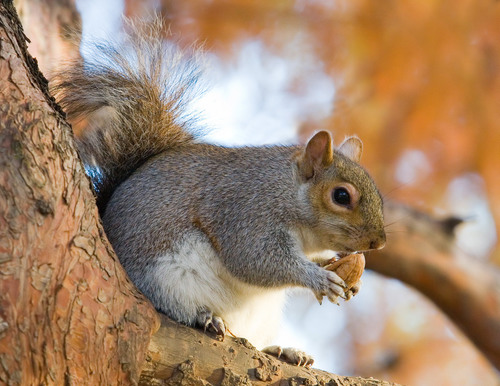
New York, US
You might spot Eastern Gray Squirrel, Snow Goose, and Great Blue Heron.
View guide →

New Hampshire, US
You might spot Eastern Red-Backed Salamander, Eastern Newt, and Wood Frog.
View guide →
Take the discovery with you
Snap it with Snappit to identify it, learn what makes it special, and add the discovery to your collection.








.jpg&width=800)



