





North American Spur-throated Grasshoppers
Melanoplus
North American Spur-throated Grasshoppers are small, jumping insects that love to hop around in fields and meadows. They are known for their unique spurs on their throats, which help them make sounds.
Habitat: Grasslands
The North American Spur-throated Grasshoppers is a robust insect, typically mottled green, brown, or yellowish to blend perfectly with vegetation. It has a distinctive spine or tubercle on its prosternum, located between its front legs. Its powerful hind legs are adapted for jumping, often with visible ridges.
Category
InsectsRarity
Common
Danger
1/5 · Very low
Snaps
Be the first to snap!
Baby grasshoppers, called nymphs, look like tiny adults but don't have wings yet!
Some grasshoppers can lay their eggs underground, staying safe through the winter.
Their blood is not red like ours; it's a greenish fluid called hemolymph!
These grasshoppers have ears on their belly, one on each side, just behind their legs!
North American Spur-throated Grasshoppers can leap over 20 times their own body length because of powerful muscles in their large hind legs.
North American Spur-throated Grasshoppers has varied coloration that helps them blend perfectly into their grassy surroundings, hiding from predators.
North American Spur-throated Grasshoppers can 'sing' by rubbing their hind legs against their wings to attract mates or warn others.
These grasshoppers munch on plants, especially grasses and leaves, helping cycle plant matter in nature.
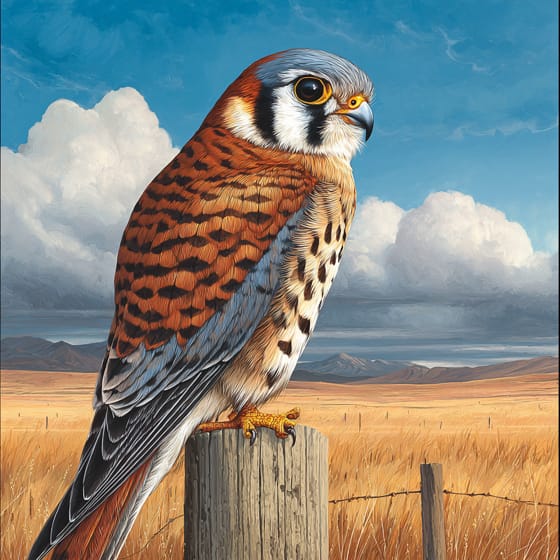
Falco sparverius
A common bird of prey that hunts them.
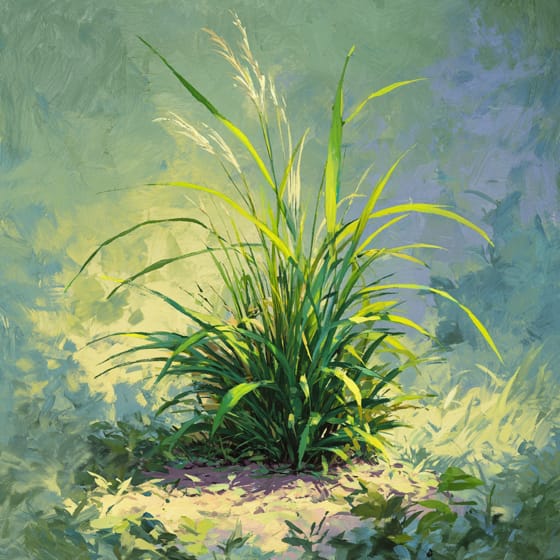
Poa pratensis
A common food source for these grasshoppers.
Rana pipiens
An amphibian predator found in their habitat.
Camouflaged describes organisms that possess coloring or patterns that allow them to blend into their environment.
Colorful describes organisms or objects displaying a wide range of bright and distinct colors.
Grassland habitats are terrestrial biomes dominated by grasses and herbaceous plants, supporting a variety of grazing animals.
This trait characterizes organisms whose diet consists entirely or primarily of plant material.

Diurnal animals are primarily active during daylight hours, typically resting or sleeping at night.

Describes a species whose presence and role have a disproportionately large effect on its environment.

This trait identifies organisms that exhibit exceptional swiftness in movement for hunting, escape, or travel.

Describes organisms that transfer pollen, enabling the fertilization and reproduction of plants.
No aliases listed yet.
Danger
1/5 · Very low
It's best to watch grasshoppers from a distance so you don't scare them away.
The easiest way to identify North American Spur-throated Grasshoppers is to use the Snappit nature identifier app.
25-80 mm
15-40 mm
60-120 days
15 km/h
These grasshoppers munch on plants, especially grasses and leaves, helping cycle plant matter in nature.
Grasslands
Grazing
Zoom in to split clusters and explore where this object has been snapped.
Recent snaps will appear here as new observations are added.
Take the discovery with you
Snap it with Snappit to identify it, learn what makes it special, and add the discovery to your collection.






.jpg&width=800)


