





North American Tarnished Plant Bug
lygus lineolaris
The North American Tarnished Plant Bug is a small, greenish-brown insect that loves to munch on plants! Kids can spot them hopping around gardens and fields, making them fun little friends to observe.
Habitat: They live in fields, gardens, and meadows, especially where plants grow.
The North American Tarnished Plant Bug is a small, oval-shaped insect, typically 5-6mm long. It has a mottled appearance, ranging from yellowish-brown to reddish-brown, often with darker, brassy markings. A distinct yellow V-shape or diamond on its back makes it recognizable.
Category
InsectsRarity
Common
Danger
1/5 · Very low
Snaps
1
A single female plant bug can lay hundreds of eggs in her short life!
Their 'tarnished' look helps them blend in perfectly with dying leaves!
These sneaky insects lay their eggs inside plant stems, completely hidden from view!
Tiny bites from these bugs can make strawberries grow twisted and lumpy!
North American Tarnished Plant Bug has piercing-sucking mouthparts that help them extract vital juices from many different plants.
North American Tarnished Plant Bug can use its strong hind legs to quickly jump away from predators and danger.
North American Tarnished Plant Bug has a mottled, 'tarnished' coloration that helps them perfectly camouflage among foliage.
North American Tarnished Plant Bug can lay hundreds of eggs, allowing their populations to grow quickly.
They feed on plant sap and pollen from a huge variety of plants, causing damage.
Pardosa milvina
Wolf spiders often prey on small insects like these.
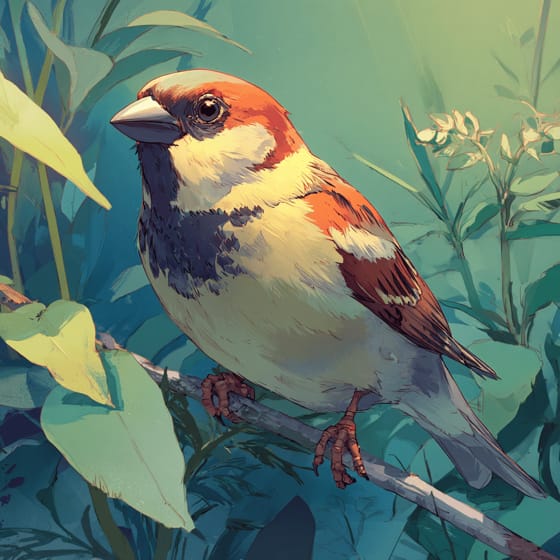
Passer domesticus
House sparrows are common insectivores in urban areas.
Peristenus digoneutis
This tiny wasp lays its eggs inside the plant bug nymphs.

Fragaria ananassa
Plant bugs feeding on strawberries cause deformed fruit.
Social animals live in organized groups, cooperating for survival benefits such as foraging, defense, and raising offspring.
Colorful describes organisms or objects displaying a wide range of bright and distinct colors.
This trait characterizes organisms whose diet consists entirely or primarily of plant material.
Diurnal animals are primarily active during daylight hours, typically resting or sleeping at night.

Describes organisms that transfer pollen, enabling the fertilization and reproduction of plants.
Danger
1/5 · Very low
No special safety notes yet.
The easiest way to identify North American Tarnished Plant Bug is to use the Snappit nature identifier app.
10-12 mm
5-6 mm
30-60 days
They feed on plant sap and pollen from a huge variety of plants, causing damage.
They live in fields, gardens, and meadows, especially where plants grow.
Foraging
6
Zoom in to split clusters and explore where this object has been snapped.
.jpg)
Pennsylvania, US
You might spot Admiral Butterfly and Forest Tent Caterpillar Moth.
View guide →
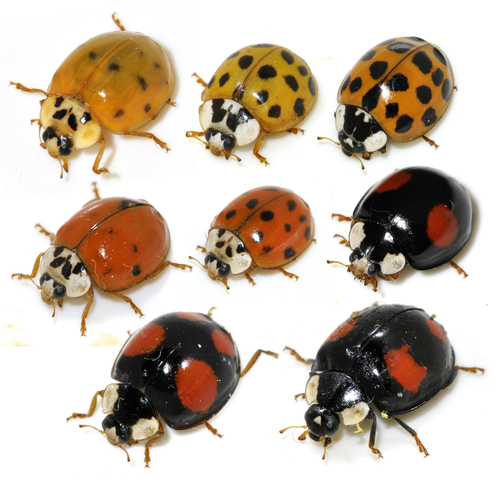
Virginia, US
You might spot Asian Lady Beetle and Bluegrass Webworm Moth.
View guide →
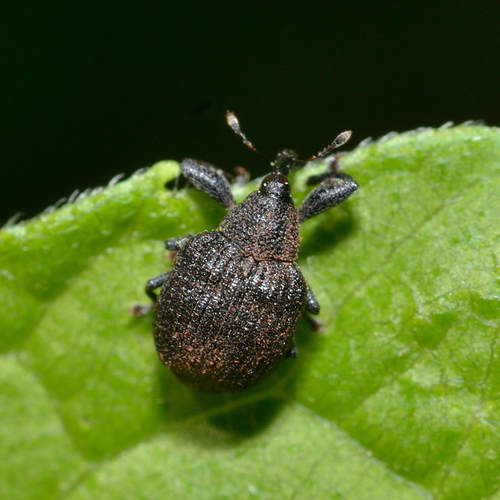
Virginia, US
You might spot Yellow Poplar Weevil and Asian Lady Beetle.
View guide →
Take the discovery with you
Snap it with Snappit to identify it, learn what makes it special, and add the discovery to your collection.







.jpg&width=800)



