



Asian Lady Beetle
Runnymede Park, a sprawling 58-acre natural haven in Herndon, Virginia, offers a peaceful escape into diverse ecosystems.
Runnymede Park, a sprawling 58-acre natural haven in Herndon, Virginia, offers a peaceful escape into diverse ecosystems. This cherished park is celebrated for its rich tapestry of flora and fauna, encompassing woodlands, meadows, and the winding Sugarland Run stream. Recognized as a Virginia Native Plant Society Registry Site, Runnymede is particularly special due to its unique diabase plant communities and an impressive native plant garden featuring over 100 different species.
Visitors can explore a variety of terrains, from tranquil paved paths to more rugged natural surface trails that weave through the park's varied habitats. Keep your eyes peeled for the vibrant flash of an Eastern Bluebird or the cheerful call of a Northern Cardinal darting through the trees. Along the stream, you might spot an American Toad, while the open meadows are often graced by the delicate dance of Monarch butterflies. The dense woodlands provide sanctuary for larger mammals like the White-tailed Deer and the elusive Red Fox.
Runnymede Park is more than just a green space; it's an invitation to connect with nature, offering a serene environment for wildlife observation, nature photography, and quiet contemplation. Whether you're seeking an invigorating hike, a leisurely stroll, or simply a place to unwind amidst nature's beauty, this park provides a memorable experience for all. Its dedication to conservation creates a welcoming atmosphere for both humans and their leashed canine companions, making it a true natural gem in Northern Virginia. Enhance your adventure: download the Snappit app to identify the local species you encounter.
The Town of Herndon acquired the land that now constitutes Runnymede Park in several stages between 1973, 1987, and 1988. The park was subsequently named in honor of Herndon's sister city in England. The area holds historical roots, with evidence of a mill operating along Sugarland Run as early as the 19th century. A notable historical feature within the park is the Carroll House, also known as the Carroll Cabin, an old stone house built around 1909, offering a glimpse into the lives of early residents. In April 2000, Runnymede Park received significant recognition when it was designated a Virginia Native Plant Society Registry Site, a testament to its exceptionally rich and diverse native plant communities.
Engage in hiking, birdwatching for diverse songbirds like Eastern Bluebirds and Northern Cardinals, nature photography, and picnicking at one of the two available shelters. Look for wildlife such as White-tailed Deer, Eastern Gray Squirrels, Red Foxes, and Eastern Cottontails. In the spring, admire wildflowers like Virginia Springbeauty and mayapple.
Spring: Witness the bloom of Virginia Springbeauty, mayapple, and eastern redbud. Listen for the chorus of spring peepers in the cattail marsh. Bird migration is active.
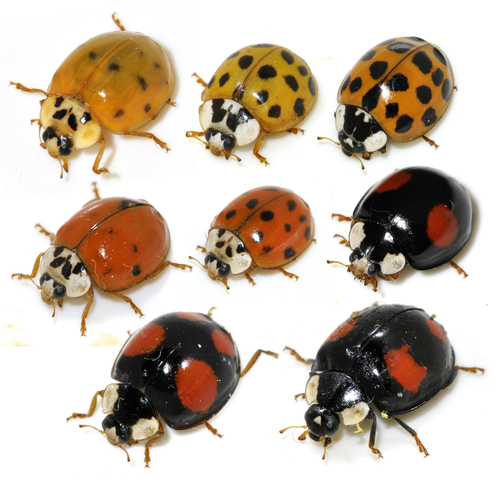
Summer: Enjoy lush greenery and observe various insects, including Monarch butterflies, Asian Lady Beetles, and different moth species.
Fall: Experience vibrant autumn foliage and observe migrating birds.
Winter: Trails are quieter, offering opportunities for peaceful walks and spotting animal tracks, including those of White-tailed Deer and Red Fox.
The park offers a paved accessible trail for ease of navigation. However, some natural surface trails and stream crossings might not be suitable for all visitors, particularly those with mobility challenges or a poor sense of balance.
Explore the native plant garden showcasing over 100 species, discover the historic Carroll House, enjoy the sounds of Sugarland Run stream, and challenge yourself on the 1.75-mile orienteering trail.
Each card links to a full Explore page with photos, traits, and fun facts.
Start with the big picture, then zoom in to explore individual wildlife observations around this place.
Wear appropriate footwear
Trails range from paved to natural surfaces, so sturdy walking or hiking shoes are recommended.
Bring binoculars
Enhance your wildlife viewing experience, especially for birdwatching, to spot species like Eastern Bluebirds and Red-shouldered Hawks.
Stay hydrated
Carry water, especially during warmer months, as dedicated water stations may be limited.
Explore the orienteering course
For a unique adventure, try the 1.75-mile orienteering trail. A smartphone and compass can be valuable tools.
Observe native plants
Look out for the diverse flora, including beautiful native species like eastern redbud and Virginia Springbeauty, particularly vibrant in spring.
Practice Leave No Trace
Help preserve the park's natural beauty by staying on marked trails, packing out all trash, and leaving plants and wildlife undisturbed.
Dec 26, 2025
Nov 2, 2025
Oct 14, 2025
Oct 9, 2025
Sep 30, 2025

Maryland, US
You might spot White-Tailed Deer and Eastern Gray Squirrel.
View guide →

District of Columbia, US
You might spot Eastern Gray Squirrel, Duck, and House Sparrow.
View guide →

Illinois, US
You might spot American Robin, Canada Goose, and House Sparrow.
View guide →

Virginia, US
You might spot Spotted Lanternfly and Northern Cardinal.
View guide →
Take the discovery with you
Identify the wildlife you spot, learn as you go, and keep a collection of the adventure.