.jpg&width=800)





Northern Broken-Dash
Polites egeremet
The Northern Broken-Dash is a small butterfly with beautiful orange and brown wings. They love to flutter around flowers and can be seen in sunny places during the summer.
Habitat: Meadows
The Northern Broken-Dash has a stout, fuzzy body and dark brown wings. Its forewings feature a distinctive broken line of yellow-orange spots, often appearing as a 'dash' or streak. This pattern helps distinguish it from similar small skippers.
Category
InsectsRarity
Common
Danger
1/5 · Very low
Snaps
2
Adults only live for about two weeks, making every sunny day count for them!
Their tiny eggs are often laid one by one on blades of grass, like little jewels!
These skippers are like a mix of butterflies and moths, having features of both!
They have special antennae with hooks on the end, unlike true butterflies or moths!
Northern Broken-Dash can dart through the air at high speeds because of its powerful wing muscles that help it escape predators and find food quickly.
Its caterpillar has the ability to roll and tie leaves together to create a sheltered home that helps it hide from birds and other dangers.
Northern Broken-Dash has a long proboscis, like a straw, that helps them sip nectar from deep flowers, giving them energy to fly and pollinate plants.
Northern Broken-Dash has mottled brown wings with cryptic patterns that help it blend perfectly with bark and dry leaves, making it hard to spot.
Adults sip sweet nectar from flowers, while caterpillars munch on grassy leaves.
Age differences: Yes, larvae eat grass blades, but adults only drink flower nectar.

Trifolium pratense
Adults help move pollen between these vibrant flowers.
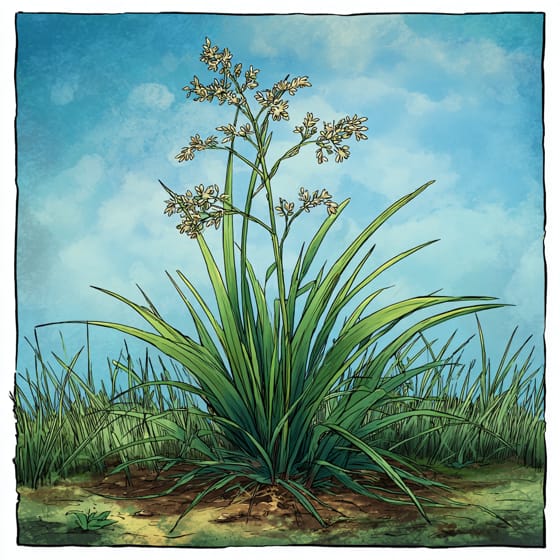
Panicum virgatum
Caterpillars exclusively feed on the leaves of this native grass.
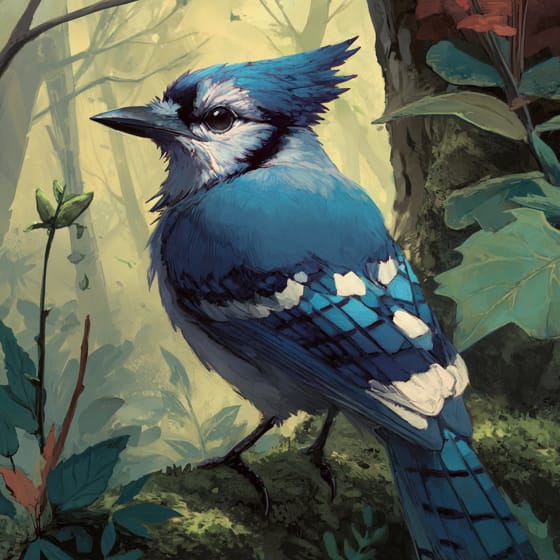
Cyanocitta cristata
These birds sometimes prey on adult skippers, especially in open areas.
Apanteles congregatus
Tiny wasps lay eggs on caterpillars, eventually consuming them.
Solitary animals live alone for most of their lives, only interacting with others for mating or parental care.
Camouflaged describes organisms that possess coloring or patterns that allow them to blend into their environment.
Colorful describes organisms or objects displaying a wide range of bright and distinct colors.
Grassland habitats are terrestrial biomes dominated by grasses and herbaceous plants, supporting a variety of grazing animals.

This trait characterizes organisms whose diet consists entirely or primarily of plant material.

Describes plants that are particularly attractive and beneficial to a wide range of pollinating organisms.

Diurnal animals are primarily active during daylight hours, typically resting or sleeping at night.

Describes organisms that transfer pollen, enabling the fertilization and reproduction of plants.
No aliases listed yet.
Danger
1/5 · Very low
Always watch butterflies from a distance so they feel safe.
The easiest way to identify Northern Broken-Dash is to use the Snappit nature identifier app.
25-35 mm
10-15 mm
7-14 days
20 km/h
Adults sip sweet nectar from flowers, while caterpillars munch on grassy leaves.
Meadows
Foraging
Zoom in to split clusters and explore where this object has been snapped.

Wisconsin, US
You might spot Eastern Skunk Cabbage, Sharp-Lobed Hepatica, and Snakewort.
View guide →

Massachusetts, US
You might spot Pitch Pine and American Bullfrog.
View guide →
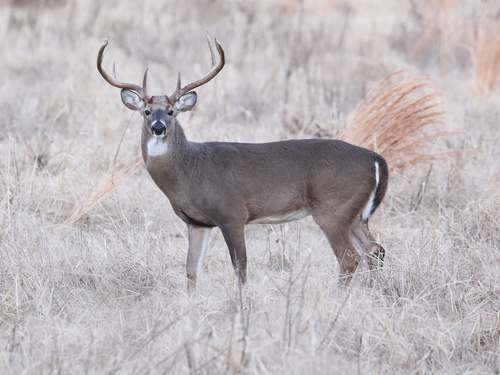
Michigan, US
You might spot White-Tailed Deer, Wild Bergamot, and Turkey.
View guide →
Take the discovery with you
Snap it with Snappit to identify it, learn what makes it special, and add the discovery to your collection.






.jpg&width=800)



