





Northern Checkerspot
Chlosyne palla
The Northern Checkerspot is a colorful butterfly with bright orange and black patterns. It flutters around fields and meadows, bringing joy to anyone who sees it!
Habitat: Grasslands
The Northern Checkerspot is a medium-sized butterfly with an intricate pattern of orange, black, and white squares across its wings. Its hindwings often feature a prominent band of bright orange spots against a dark background, making it distinct from similar checkerspot species.
Category
InsectsRarity
Common
Danger
1/5 · Very low
Snaps
2
Female Northern Checkerspots lay all their tiny eggs together in a big cluster on one leaf!
Its caterpillars change colors as they grow, starting dark and becoming striped!
They can tell if a plant is safe to eat just by tasting it with their special sensory feet!
This butterfly sips sweet flower nectar using a long, straw-like tongue called a proboscis.
Northern Checkerspot has a detailed checkered pattern that helps them blend into their flowery habitats, making them harder for predators to spot.
Northern Checkerspot larvae can only eat certain plants because of their specialized digestive systems, which helps them avoid toxic plants.
Northern Checkerspot can dart quickly and erratically through the air, allowing them to escape from birds and other hungry predators.
Adults sip flower nectar; caterpillars munch on specific plant leaves.
Age differences: Caterpillars consume plant leaves, while adults primarily drink flower nectar.
Penstemon strictus
Larvae feed on its leaves for growth.

Cyanocitta stelleri
A common bird predator in its range.

Castilleja miniata
Another primary host plant for its caterpillars.
Solitary animals live alone for most of their lives, only interacting with others for mating or parental care.
Colorful describes organisms or objects displaying a wide range of bright and distinct colors.
Grassland habitats are terrestrial biomes dominated by grasses and herbaceous plants, supporting a variety of grazing animals.
This trait characterizes organisms whose diet consists entirely or primarily of plant material.

Describes plants that are particularly attractive and beneficial to a wide range of pollinating organisms.

Diurnal animals are primarily active during daylight hours, typically resting or sleeping at night.

Describes organisms that transfer pollen, enabling the fertilization and reproduction of plants.
No aliases listed yet.
Danger
1/5 · Very low
Always look but don't touch butterflies, as they are delicate and can be easily hurt.
The easiest way to identify Northern Checkerspot is to use the Snappit nature identifier app.
35-55 mm
15-25 mm
10-25 days
10 km/h
Adults sip flower nectar; caterpillars munch on specific plant leaves.
Grasslands
Foraging
Zoom in to split clusters and explore where this object has been snapped.

British Columbia, CA
You might spot Oregon Grape, Shinyleaf Meadowsweet, and Bush Penstemon.
View guide →

Oregon, US
You might spot Balkan Toadflax, Big Sagebrush, and Western Juniper.
View guide →
British Columbia, CA
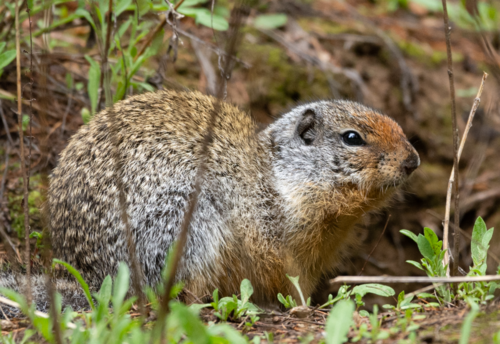
You might spot Columbian Ground Squirrel and Spotted Knapweed.
View guide →

British Columbia, CA
You might spot Shinyleaf Meadowsweet, Northern Checkerspot, and Fireweed.
View guide →
Take the discovery with you
Snap it with Snappit to identify it, learn what makes it special, and add the discovery to your collection.






.jpg&width=800)



