





Northern Dog-day Cicada
Neotibicen canicularis
The Northern Dog-day Cicada is a loud, buzzing insect that loves to sing on hot summer days. They have big eyes and can be found resting on trees and shrubs.
Habitat: Forests
The Northern Dog-day Cicada has a robust, blackish body with distinctive pale yellowish or greenish markings on its thorax and abdomen. Its clear, membranous wings feature prominent greenish veins, making it visually distinct from other cicadas with darker wing venation or different body patterns.
Category
InsectsRarity
Common
Danger
1/5 · Very low
Snaps
1
Adult cicadas live for only a few weeks, but their whole life lasts years!
Cicadas shed their skin, leaving behind empty 'ghosts' clinging to trees!
Some cicada songs are loud enough to be heard over a mile away!
They drink tree sap using a straw-like mouthpart, all day long!
Northern Dog-day Cicada can produce an incredibly loud, buzzing song because of specialized organs called tymbals that help them attract mates.
Northern Dog-day Cicada has a long nymphal stage, spending years underground because this helps them feed safely on tree root sap.
Northern Dog-day Cicada can pierce tree branches with its straw-like proboscis because this helps them extract nutrient-rich sap.
These herbivores drink nutrient-rich sap from the xylem of trees and shrubs using a special straw-like mouthpart.
Age differences: Nymphs feed on tree root sap underground; adults feed on sap from branches and twigs above ground.

Acer saccharum
provides sap for food
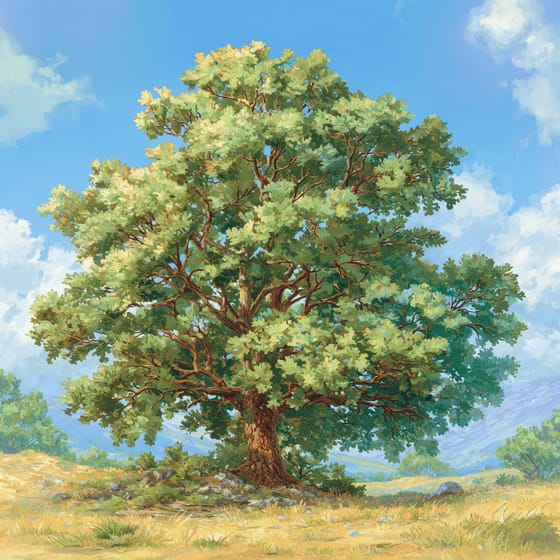
Quercus alba
nymphs feed on roots, adults on branches
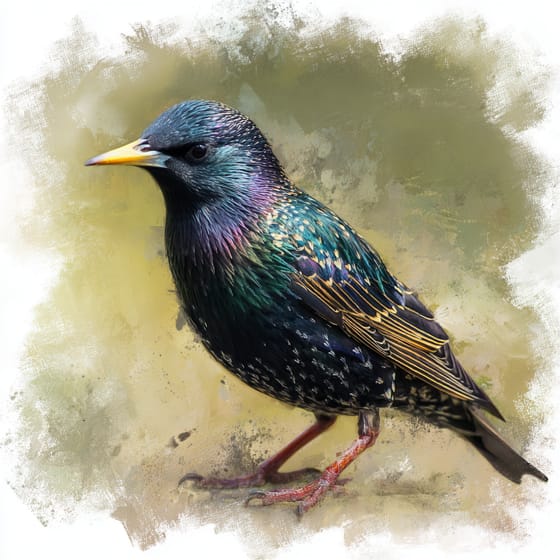
Sturnus vulgaris
readily preys on adult cicadas
Cathartes aura
adult cicadas are a food source
Social animals live in organized groups, cooperating for survival benefits such as foraging, defense, and raising offspring.
Singing animals produce complex vocalizations, often for purposes of attracting mates, defending territory, or communicating within their species.
Colorful describes organisms or objects displaying a wide range of bright and distinct colors.
This trait characterizes organisms whose diet consists entirely or primarily of plant material.

Forest habitats are terrestrial environments dominated by dense tree cover, supporting a high diversity of plant and animal life.

Diurnal animals are primarily active during daylight hours, typically resting or sleeping at night.
Danger
1/5 · Very low
Cicadas are harmless, but it's best to watch them from a distance.
The easiest way to identify Northern Dog-day Cicada is to use the Snappit nature identifier app.
50-70 mm
25-35 mm
730-1825 days
15 km/h
These herbivores drink nutrient-rich sap from the xylem of trees and shrubs using a special straw-like mouthpart.
Forests
Foraging
Zoom in to split clusters and explore where this object has been snapped.
Take the discovery with you
Snap it with Snappit to identify it, learn what makes it special, and add the discovery to your collection.








.jpg&width=800)


