





Northern Dune Tiger Beetle
Cicindela hybrida
The Northern Dune Tiger Beetle is a shiny, fast bug that loves to run on sandy beaches and dunes. Its bright colors help it blend in with the sand while it hunts for food.
Habitat: Coastal areas
The Northern Dune Tiger Beetle has an elongated, iridescent body that can appear green, blue, or copper, often with creamy-yellow markings along its wing covers. It features very large, prominent eyes and powerful sickle-shaped jaws. Its long, slender legs are built for incredible speed on sandy surfaces.
Category
InsectsRarity
Common
Danger
1/5 · Very low
Snaps
Be the first to snap!
Its shimmering colours help it blend into sandy or pebbly habitats, making it hard to spot.
Their powerful jaws are like tiny, sharp pincers, perfect for catching and holding onto insects.
This beetle is so speedy, it often has to stop running for a moment to 'see' where it's going!
Tiger beetle larvae are also fierce hunters, waiting patiently in their burrows to surprise prey!
Northern Dune Tiger Beetles can run incredibly fast, up to 2.5 meters per second, because of their long legs that help them chase down prey.
Northern Dune Tiger Beetles have huge, compound eyes that help them spot tiny prey and avoid predators with a wide field of view.
Northern Dune Tiger Beetle larvae can hide in sand burrows with hooked abdomens, snapping at prey that passes by with strong jaws.
Northern Dune Tiger Beetles can run so fast they temporarily go blind, having to pause to reorient themselves and find their prey.
These speedy hunters love to eat other small insects found on the ground.
Age differences: Larvae are ambush predators, waiting in burrows; adults are active pursuit hunters on the surface.
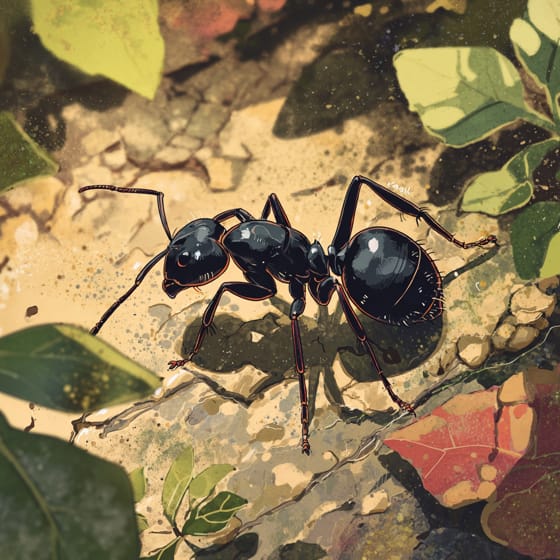
Lasius niger
Adult beetles actively hunt these common ants on sandy ground.
Musca domestica
Flies are a swift source of protein for the quick-moving adults.
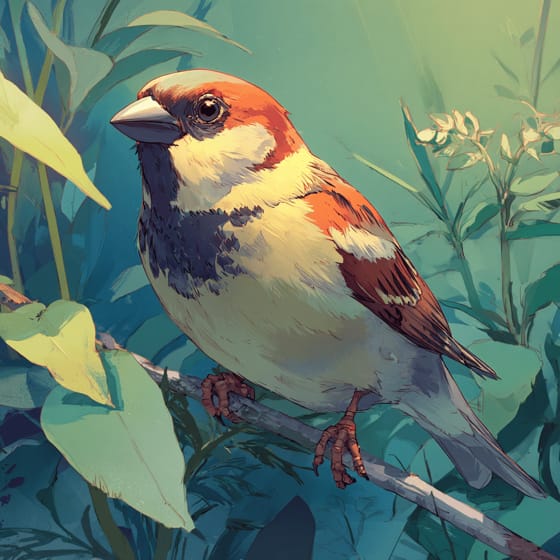
Passer domesticus
Birds can snatch adult beetles, despite their speed and camouflage.
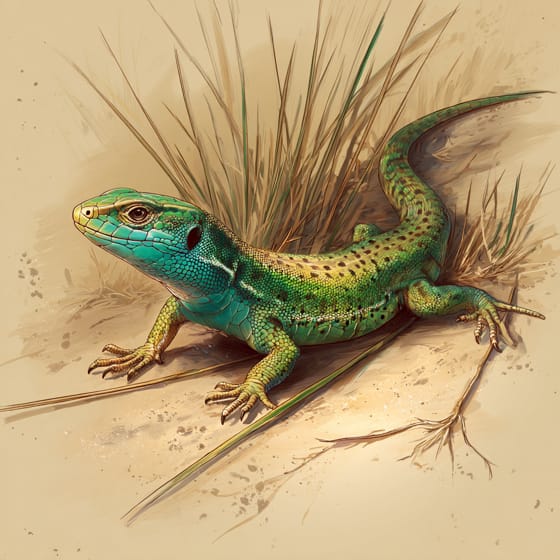
Lacerta agilis
Lizards are a key predator of both adult and larval tiger beetles.
Solitary animals live alone for most of their lives, only interacting with others for mating or parental care.
Colorful describes organisms or objects displaying a wide range of bright and distinct colors.
An ambush predator hunts by patiently waiting and concealing itself, then launching a sudden attack when unsuspecting prey comes within range.
Coastal habitats are dynamic environments located along the interface between land and sea, influenced by tides, waves, and saltwater.

This trait identifies organisms whose diet consists entirely or primarily of animal tissue.

Diurnal animals are primarily active during daylight hours, typically resting or sleeping at night.

This trait identifies organisms that exhibit exceptional swiftness in movement for hunting, escape, or travel.
No aliases listed yet.
Danger
1/5 · Very low
Be gentle and watch where you step, as these little beetles are very small and can be easily hurt.
The easiest way to identify Northern Dune Tiger Beetle is to use the Snappit nature identifier app.
25-35 mm
11-15 mm
60-120 days
10 km/h
These speedy hunters love to eat other small insects found on the ground.
Coastal areas
Pursuit
Zoom in to split clusters and explore where this object has been snapped.
Recent snaps will appear here as new observations are added.
Take the discovery with you
Snap it with Snappit to identify it, learn what makes it special, and add the discovery to your collection.








.jpg&width=800)



