





Northern Elephant Seal
Mirounga angustirostris
Northern Elephant Seals are large, playful animals that spend most of their time in the ocean. They can be very loud and love to bask on sandy beaches.
Habitat: Coastal areas
The Northern Elephant Seal has a massive, blubbery body, typically dark brown or greyish. Males are easily identified by their large, inflatable proboscis, resembling an elephant's trunk. Females are smaller and lack this distinctive nose.
Category
MammalsRarity
Common
Danger
3/5 · Moderate
Snaps
7
Elephant seals can slow their heart rate to dive super deep!
Males fast for three months during breeding, losing half their weight!
Pups gain over 4 kg a day from super rich milk!
They don't drink water; they get all their hydration from the fish they eat!
Male Northern Elephant Seals have a giant, inflatable nose that amplifies their loud roars to attract mates.
Northern Elephant Seals have a super thick blubber layer that keeps them warm and fuels their long journeys.
These ocean hunters eat many types of squid and fish from the deep sea.
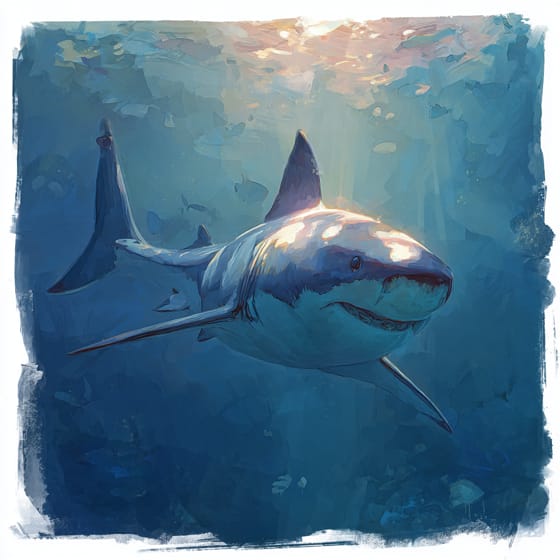
Carcharodon carcharias
Hunts juveniles and sick seals.
Orcinus orca
Preys on seals of all ages.
Merluccius productus
Main food source in deep water.
Dosidicus gigas
Frequent prey in deep ocean.
Possessing prominent sensory hairs or vibrissae, often around the snout.
Social animals live in organized groups, cooperating for survival benefits such as foraging, defense, and raising offspring.
Coastal habitats are dynamic environments located along the interface between land and sea, influenced by tides, waves, and saltwater.
This trait identifies organisms whose diet consists entirely or primarily of animal tissue.

Describes a species whose presence and role have a disproportionately large effect on its environment.

Giant describes organisms or objects of significantly larger size than average for their species or type.

Marine habitats encompass all saltwater environments of the Earth's oceans, supporting an immense diversity of aquatic life.

Migratory animals undertake seasonal movements from one region to another, typically in response to changes in climate or food availability.

Endangered status indicates a species is at a very high risk of extinction in the wild in the near future.
Danger
3/5 · Moderate
Always watch from a distance and never approach wild seals. They need their space!
The easiest way to identify Northern Elephant Seal is to use the Snappit nature identifier app.
250-600 cm
400-2300 kg
14-19 years
20 km/h
These ocean hunters eat many types of squid and fish from the deep sea.
Coastal areas
Pursuit
Zoom in to split clusters and explore where this object has been snapped.

California, US
You might spot Northern Elephant Seal, Gumboot Chiton, and Ochre Sea Star.
View guide →

California, US
You might spot Elk, Northern Elephant Seal, and Button's Banana Slug.
View guide →

California, US
You might spot Sea Lion, Northern Elephant Seal, and Harbor Seal.
View guide →
Take the discovery with you
Snap it with Snappit to identify it, learn what makes it special, and add the discovery to your collection.




.jpg&width=800)




.JPG&width=800)



.jpg&width=800)
